OMM Redaksiyası

Iranian Parliament Speaker Mohammad Bagher Qalibaf has warned that no country in the region would be able to sell oil if Iran were prevented from exporting it, according to the state-run IRNA news agency.
“The US and other countries should know, as we have said, that in a region where we cannot sell oil, no one will sell oil,” Qalibaf said.
His comments come as Iran faces severe restrictions on its oil exports amid its ongoing conflict with Washington and US sanctions. Iran’s Central Bank governor said in August that the country’s oil exports had fallen to zero because of the war and sanctions.
Warning over regional security
The US military said on Sept. 19 that more than 1 billion barrels of crude oil had passed through the Strait of Hormuz in recent months with US military assistance. Washington said Iran had exported “zero barrels” under what it called an “ironclad blockade.”
“If our security is not guaranteed, no infrastructure will be safe,” Qalibaf said.
Earlier this month, he warned that US energy infrastructure and assets around the Gulf and the Strait of Hormuz could face Iranian retaliation if Washington attacked Iran’s oil and gas facilities.
Dispute over the Strait of Hormuz
Qalibaf also referred to recent remarks by US President Donald Trump about the Strait of Hormuz and the passage of vessels through the waterway, describing them as a repetition of earlier US claims.
Trump on Saturday rejected an Iranian proposal to restore normal commercial traffic through the strait within seven days. He said Tehran’s conditions were unacceptable and claimed Washington already had “total control” of the waterway.
Under Tehran’s proposal, Washington would release frozen Iranian assets, lift oil sanctions and end the US naval blockade on Iranian ports. Iran would then move to reopen the strait and talks on a final agreement would begin.
Iran has kept the Strait of Hormuz restricted while demanding that Washington fulfill commitments under a June memorandum of understanding. Tehran says the waterway will not fully reopen until its conditions are met and US commitments are implemented.
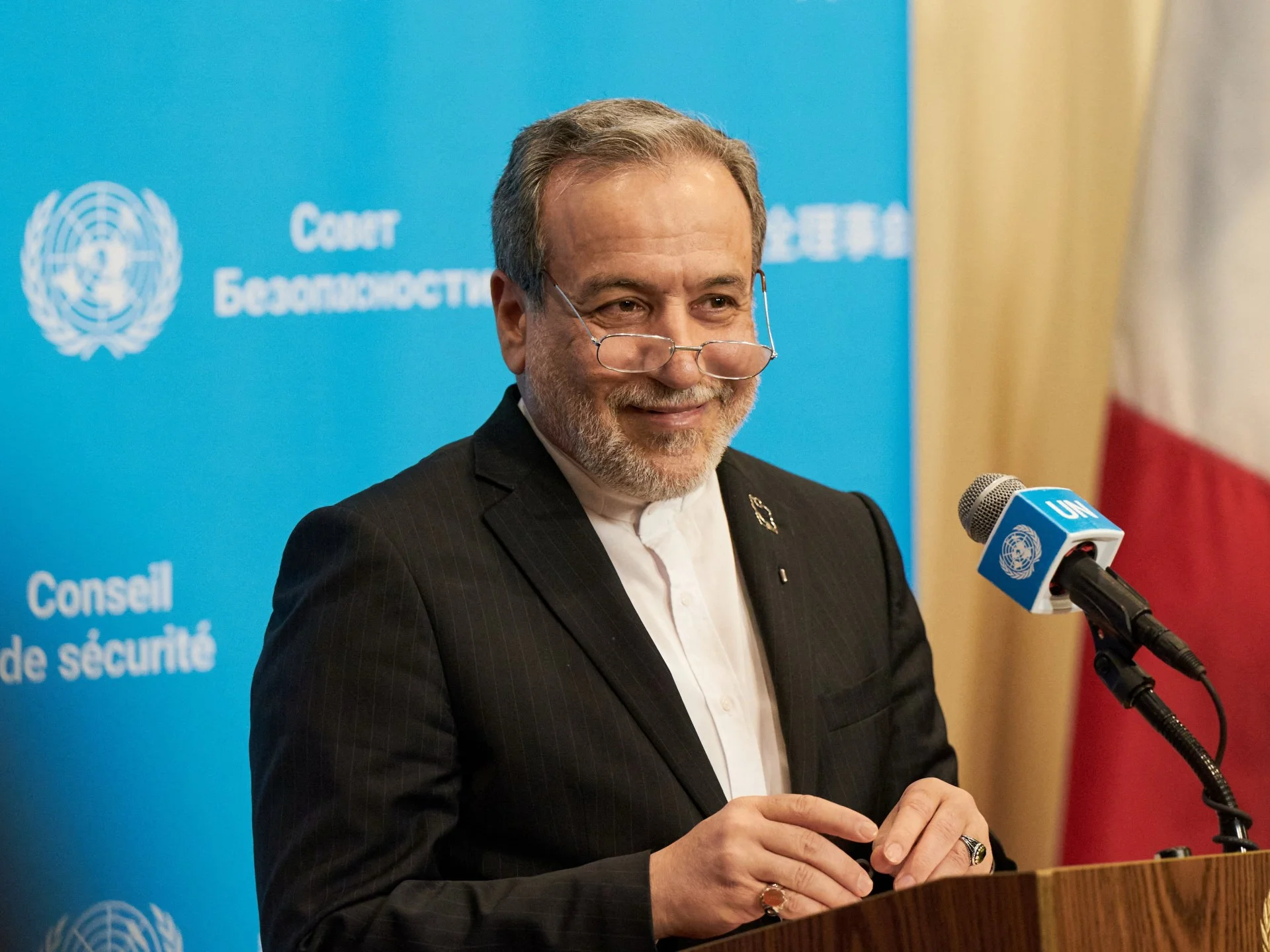
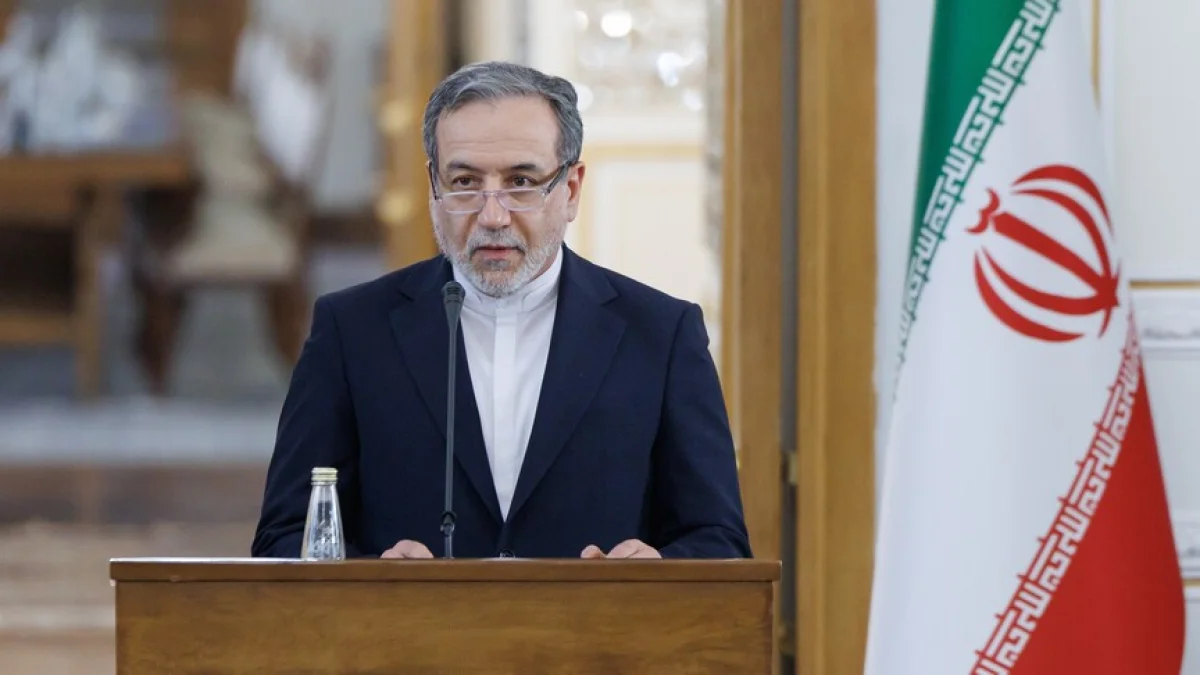
On Monday, Iranian Foreign Minister Abbas Araghchi said Qatari mediators would present Washington with new ideas discussed with Tehran on how to meet Iran’s conditions for reopening the strait.
Qalibaf vows swift response
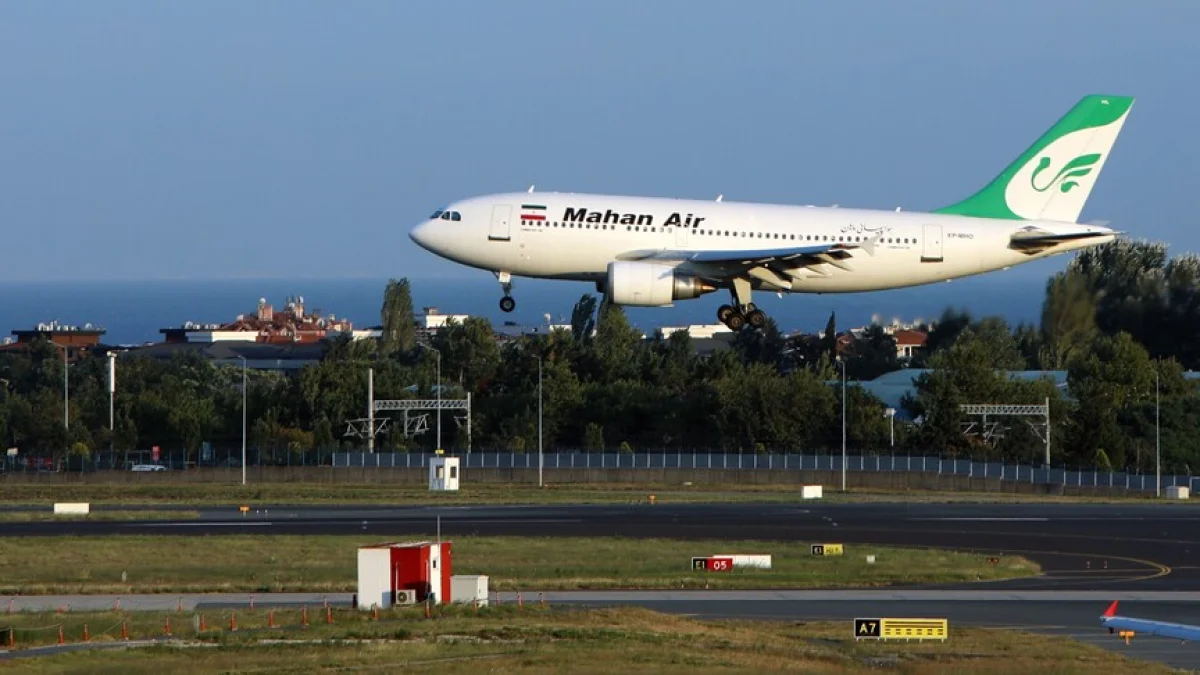
Qalibaf warned Washington against further pressure on Tehran, saying Iran would not retreat in the face of what he described as “air or commercial blockades.” Washington has expanded economic pressure beyond Iran’s oil and maritime sectors to civil aviation.
“The leaders of the White House should know that Iran, a wise nation that has made history, will never retreat because of lines being drawn, speeches, or air or commercial blockades,” Qalibaf said.
He added that Iran’s response to “any threat or adventurism” would be “regrettable and swift.”
In February, the US and Israel launched a war against Iran. Tehran responded with attacks on Israel and US targets in the region before a ceasefire agreement was reached in April.
Washington and Tehran later signed a memorandum of understanding in June concerning freedom of navigation in the Strait of Hormuz. Implementation stalled over disagreements related to security in the strategic waterway as tensions between the two sides continued to escalate.