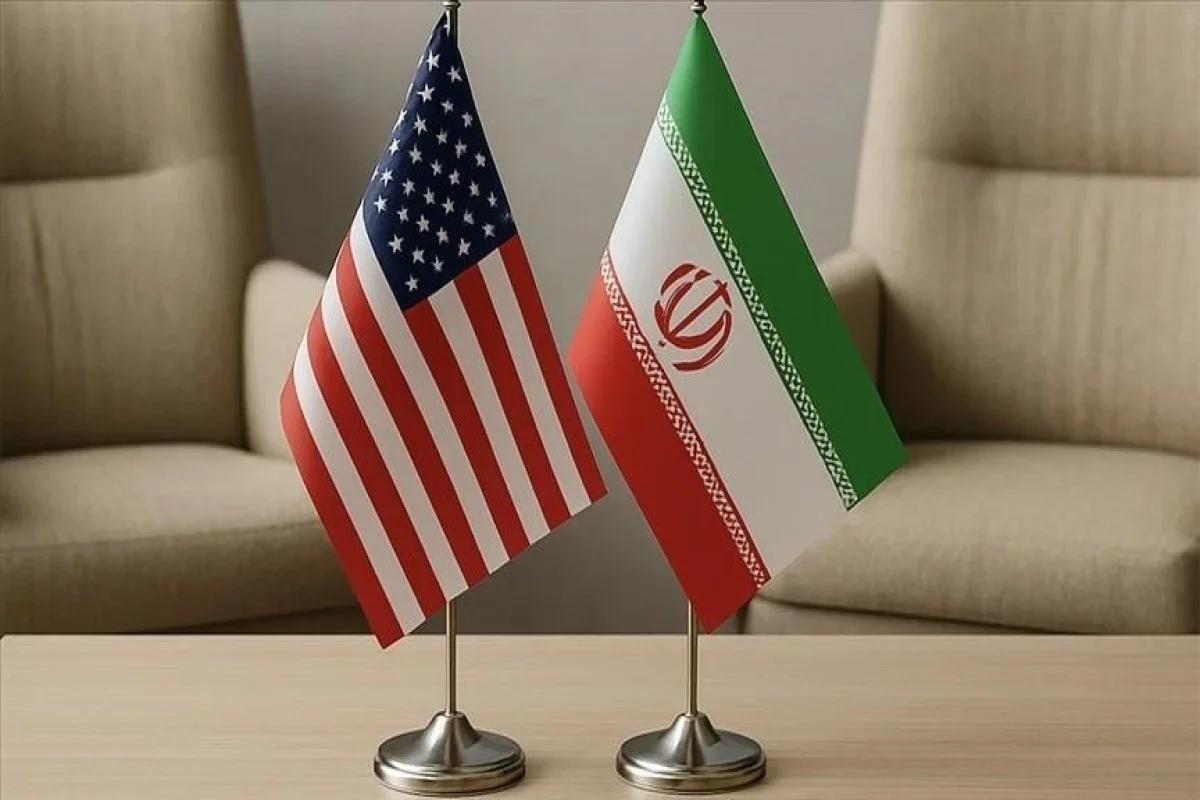
The second round of indirect negotiations between Iran and the United States regarding Tehran's nuclear program is currently in the preparatory phase in Geneva, Switzerland.
According to the Operative Information Center-OMM, citing foreign media reports, the United Nations and mediating nations indicate that both parties are intensifying diplomatic efforts to bridge long-standing disagreements and de-escalate regional tensions.
Rather than engaging in direct contact, the parties are exchanging messages through diplomatic channels facilitated by Oman. Diplomatic sources suggest that the current phase is focused on defining technical details and establishing the core principles of a potential framework agreement.
The primary objective of this process is to first secure the implementation of an interim agreement, which would then serve as a foundation for a more comprehensive and sustainable resolution. UN officials have urged both sides to exercise restraint, emphasizing that maintaining dialogue is critical for regional stability.
International observers have expressed concern that a failure in these negotiations could lead to a resurgence of tensions across the Middle East. Nevertheless, maintaining diplomatic contact is widely regarded as the most viable path to mitigating conflict risks.
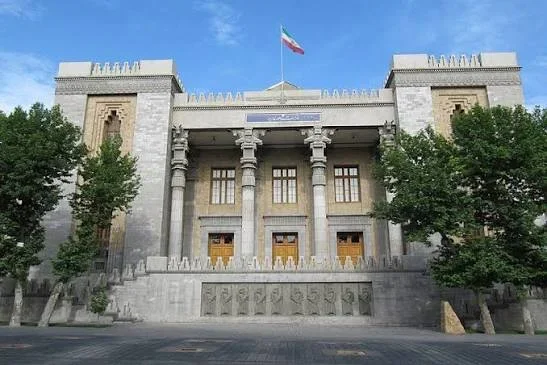
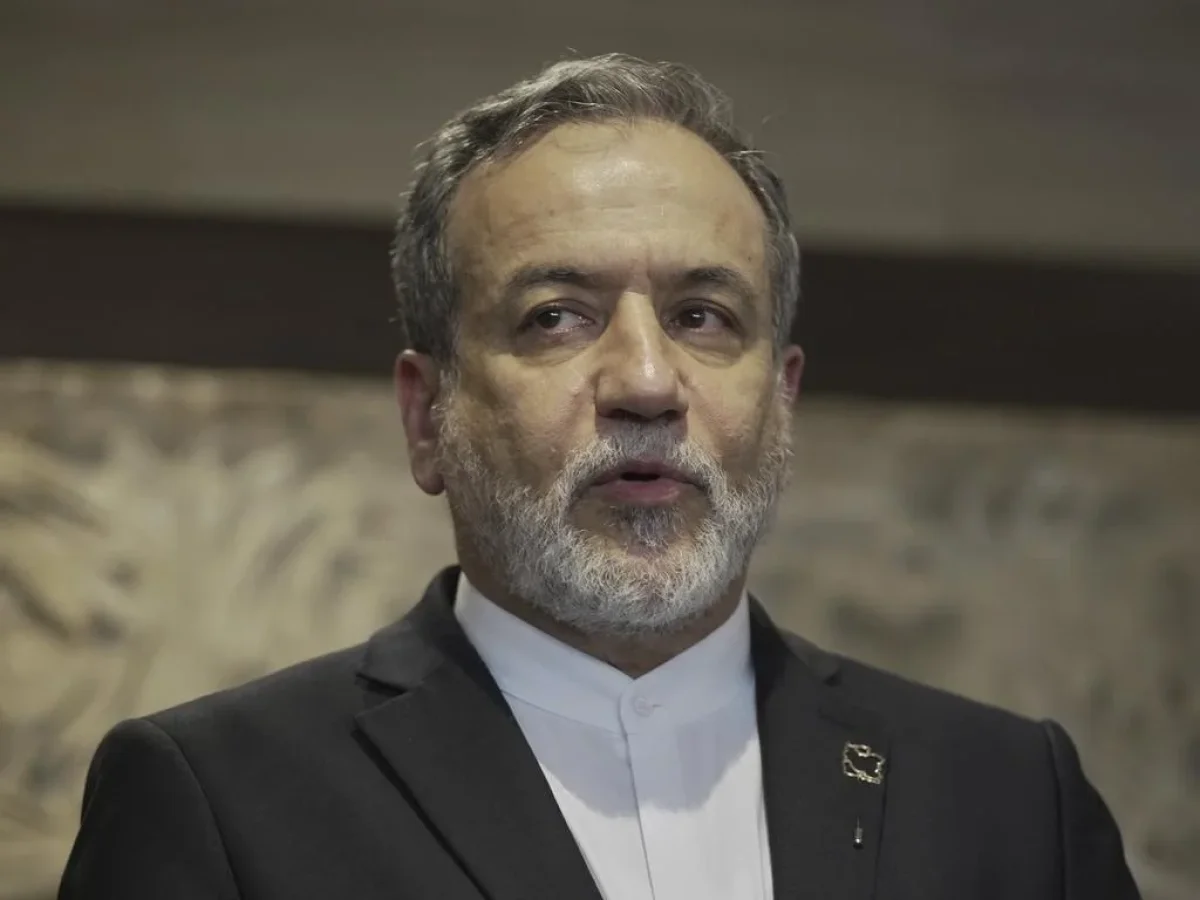
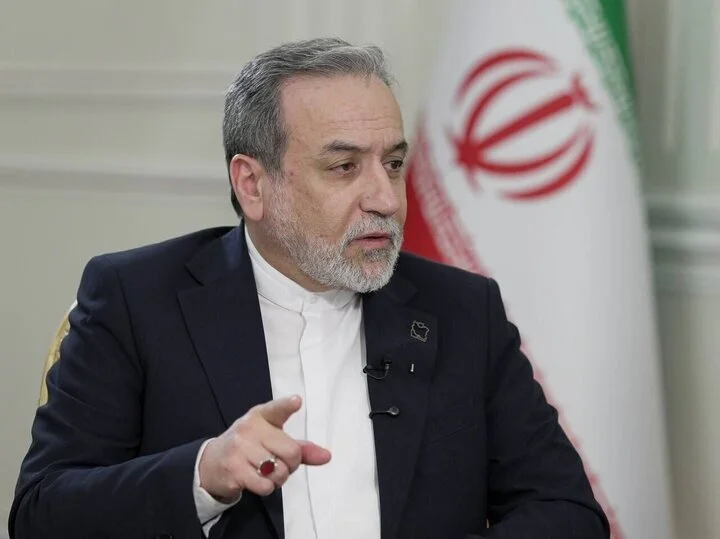
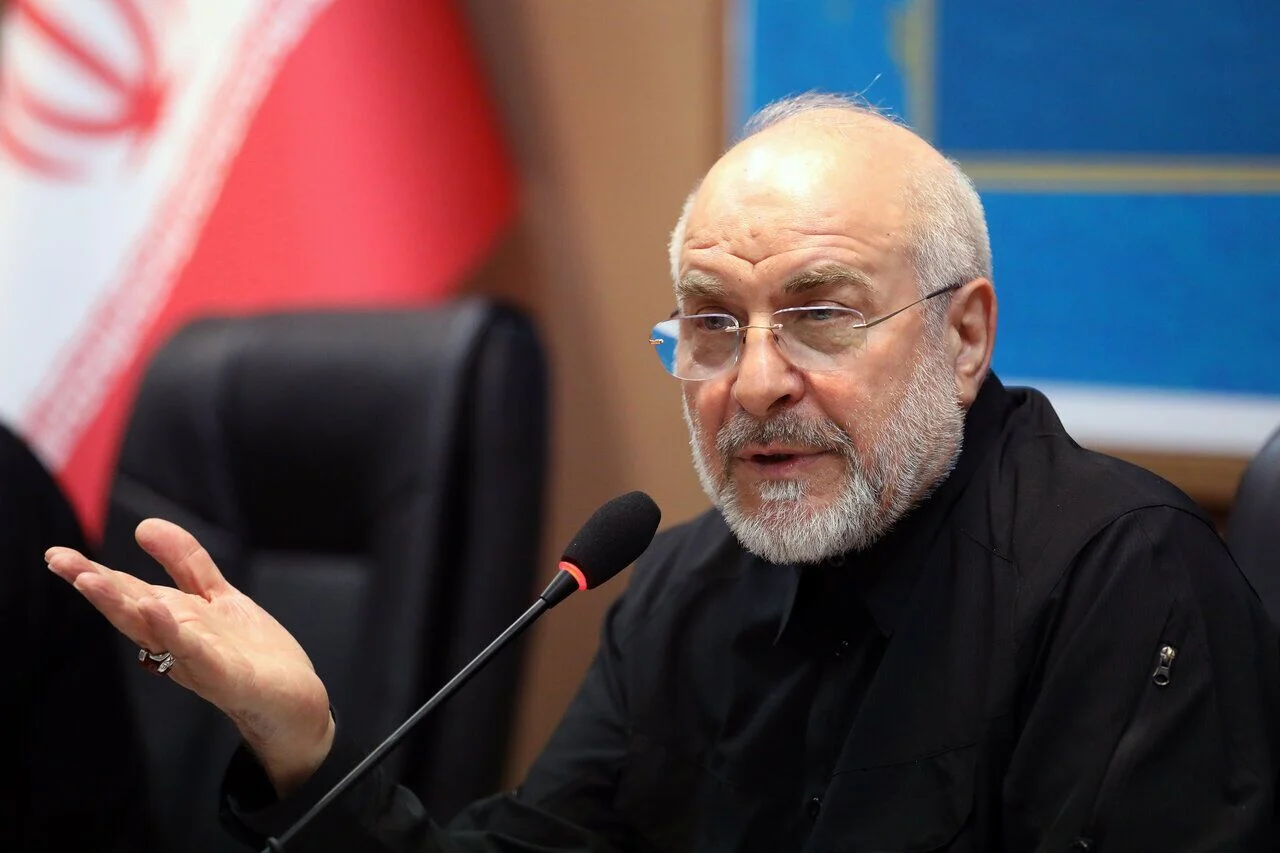
Iranian Foreign Minister Abbas Araghchi has described the negotiation process as highly sensitive and multifaceted. According to the minister, keeping communication channels open through intermediaries is essential to preventing misunderstandings and keeping regional tensions under control.
The nuclear issue remains a central point of contention in international relations, with the Joint Comprehensive Plan of Action (JCPOA), signed in 2015, serving as the historical backdrop for these ongoing diplomatic efforts. The current talks represent a significant attempt to revive stability in a volatile geopolitical environment.