 OMM Redaksiyası

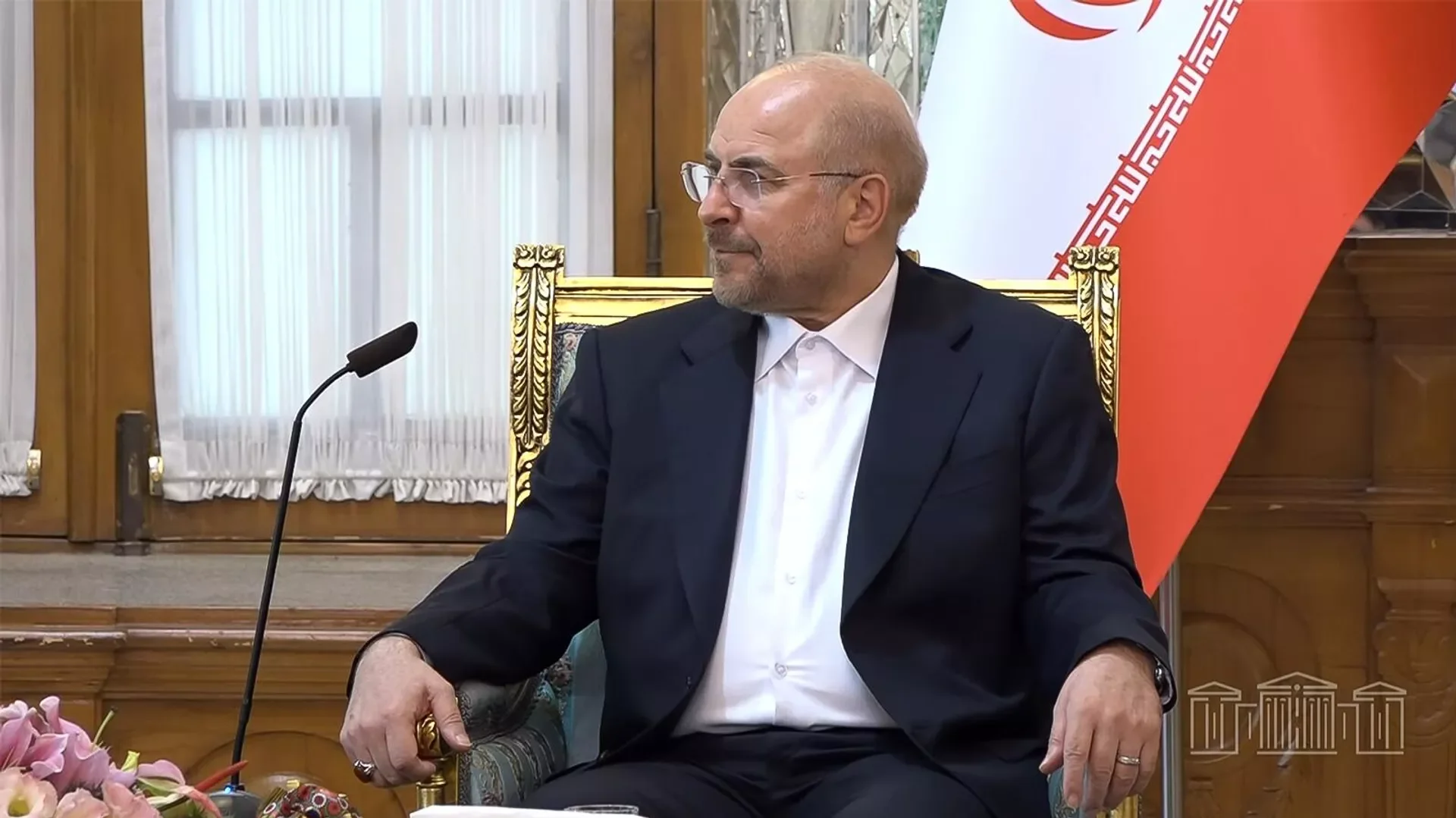
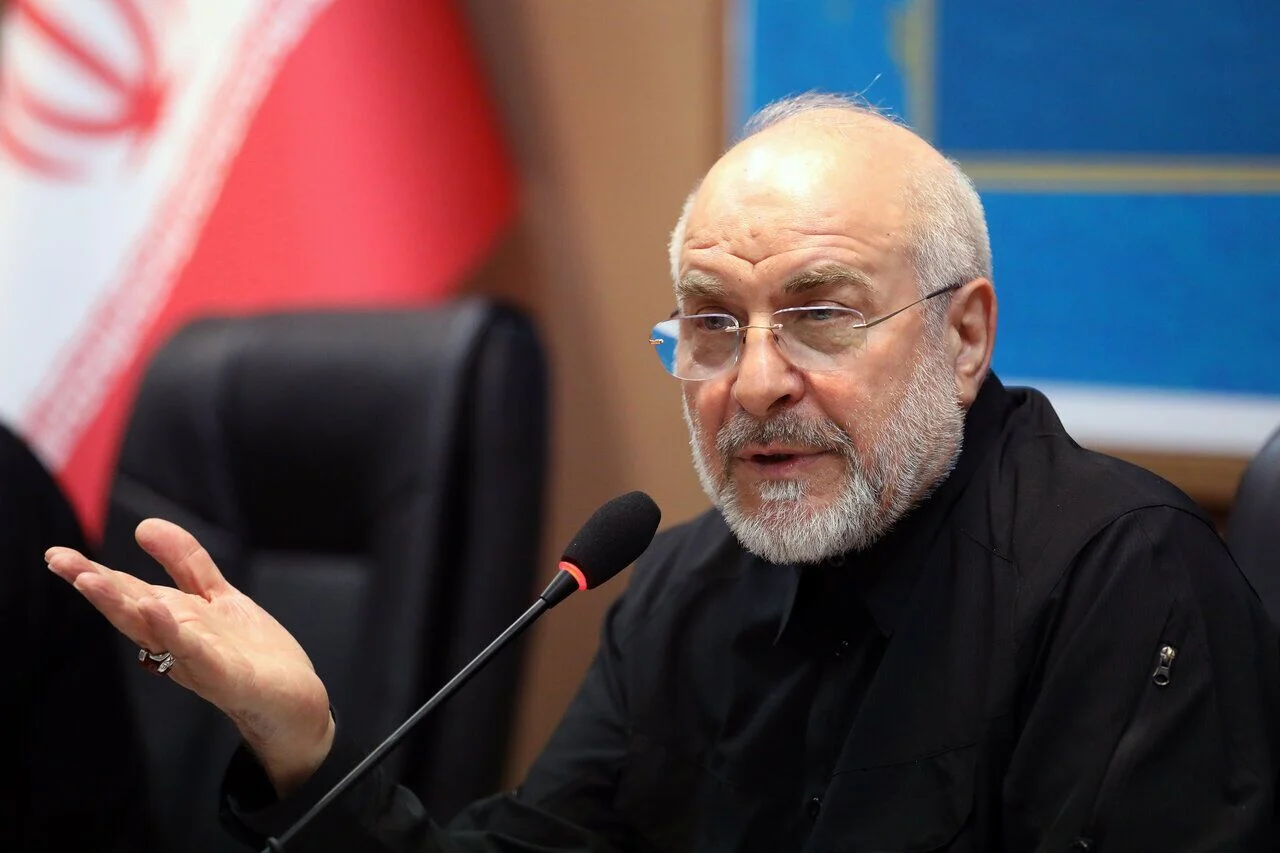
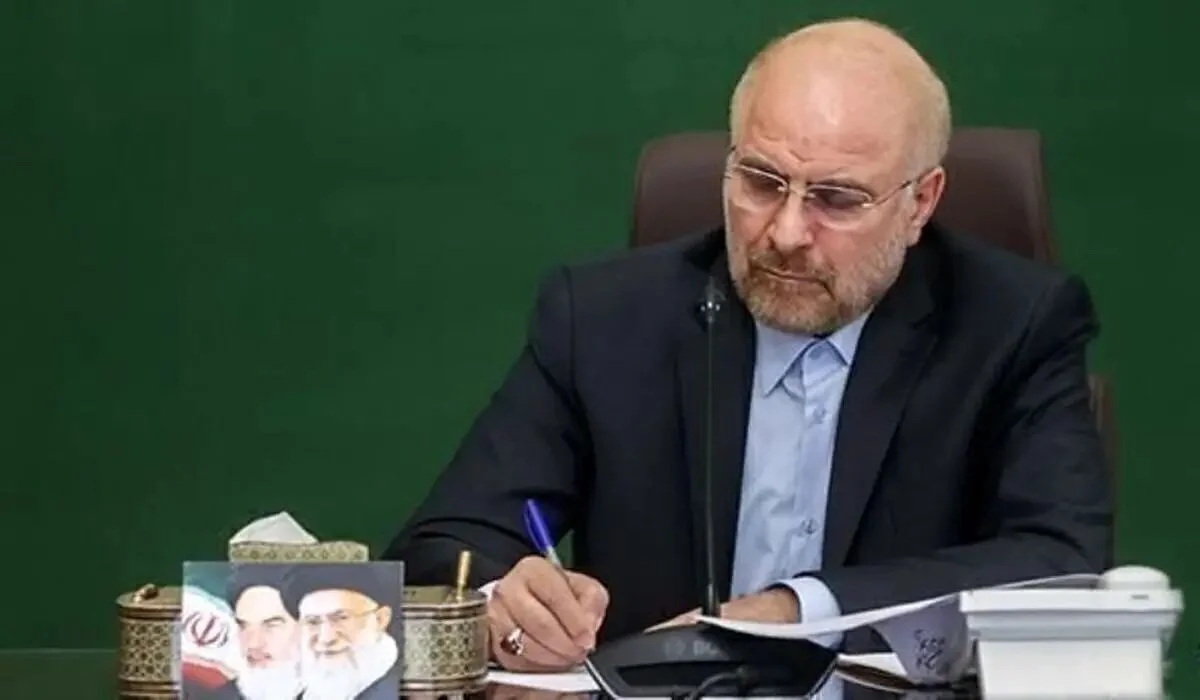
Mohammad Bagher Ghalibaf, Speaker of the Iranian Parliament and head of the negotiating delegation, has issued significant statements following the public disclosure of a 14-point agreement reached between Iran and the United States.
According to the Operative Information Center-OMM, Ghalibaf stated that the United States and Israel were prevented from achieving the nine primary objectives they had set at the onset of the conflict.
He emphasized that official Tehran demonstrated significant resistance across political, economic, and military spheres.
"The world's leading power, the United States, and Israel confronted us together. This conflict was an international issue with global implications. We have defeated the United States and the Zionist regime," Ghalibaf asserted.
Ghalibaf noted that military pressures continued in parallel with the negotiation process. He alleged that two enemy frigates were struck and set ablaze in the Persian Gulf, and that airports utilized by enemy aircraft were also targeted.
Addressing Israel's attacks on the Dahiyeh region, Ghalibaf claimed that Iran issued a stern warning to Washington.
"We issued an ultimatum to the United States and demanded that our conditions be met. Consequently, the US President was forced to declare that Netanyahu had no right to attack Dahiyeh," he claimed.
Describing himself as a warrior, the parliament speaker emphasized that he conducts diplomacy with a combatant's spirit. He claimed that Iran achieved more at the negotiating table than it could have through military means alone, asserting that the conflict has concluded in Iran's favor.
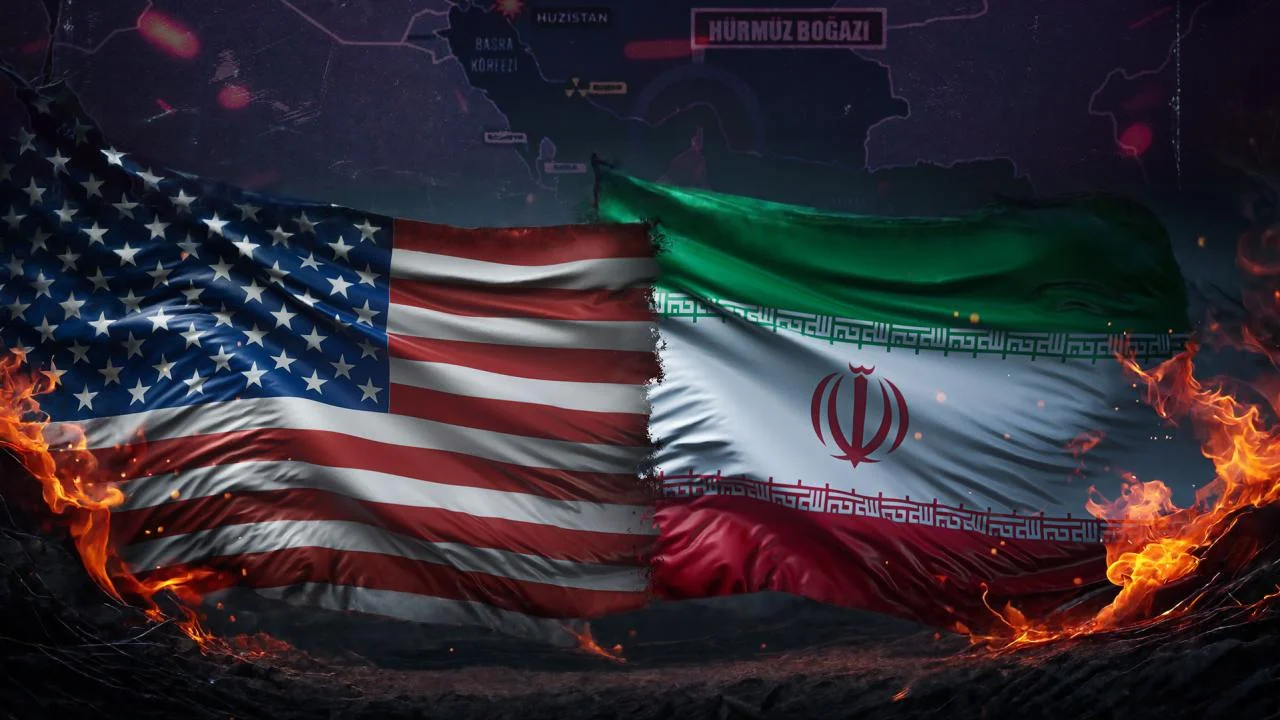
The 14-point agreement marks a pivotal moment in the ongoing geopolitical tensions between Tehran and Washington. Historically, relations between the two nations have been characterized by decades of sanctions, diplomatic isolation, and proxy conflicts, making any direct agreement a subject of intense scrutiny by international observers and regional powers.