 OMM Redaksiyası

Venezuelan authorities have released dozens of political prisoners, human rights groups said, as opposition figures renewed calls for free elections in the country.
Among those freed in the early hours of Saturday was Wilder Vasquez, who was sentenced to five years in prison in 2018 over allegations that he had plotted to kill former President Nicolás Maduro, according to the BBC.
Foro Penal Vice-President Gonzalo Himiob said a “significant number” of political prisoners had been released from several detention centres. The Venezuelan government has not commented on the latest releases or said whether they followed Rodríguez’s meeting with Trump.
Rights groups confirm several releases
Foro Penal confirmed the release of Miguel Castillo Cedeño, who the organisation said had been arbitrarily detained since June 2019.
Frank Cabañas was also released after spending nine years in prison. Rights groups said he had been detained in connection with the death of a police officer and was the only remaining suspect still behind bars. His family reported last year that he was suffering from health problems.
Opposition and human rights organisations have accused Maduro’s government of using political detentions to suppress dissent and silence critics. Rodríguez’s interim administration has presented the releases as a gesture of goodwill and reconciliation while denying that dissidents are imprisoned.
The government had previously released hundreds of prisoners as part of a reconciliation effort following Maduro’s seizure. The process slowed sharply in April, when Rodríguez said it was “coming to an end”. Foro Penal said the scheme had stopped before even half of Venezuela’s political prisoners were freed.
Opposition renews calls for elections
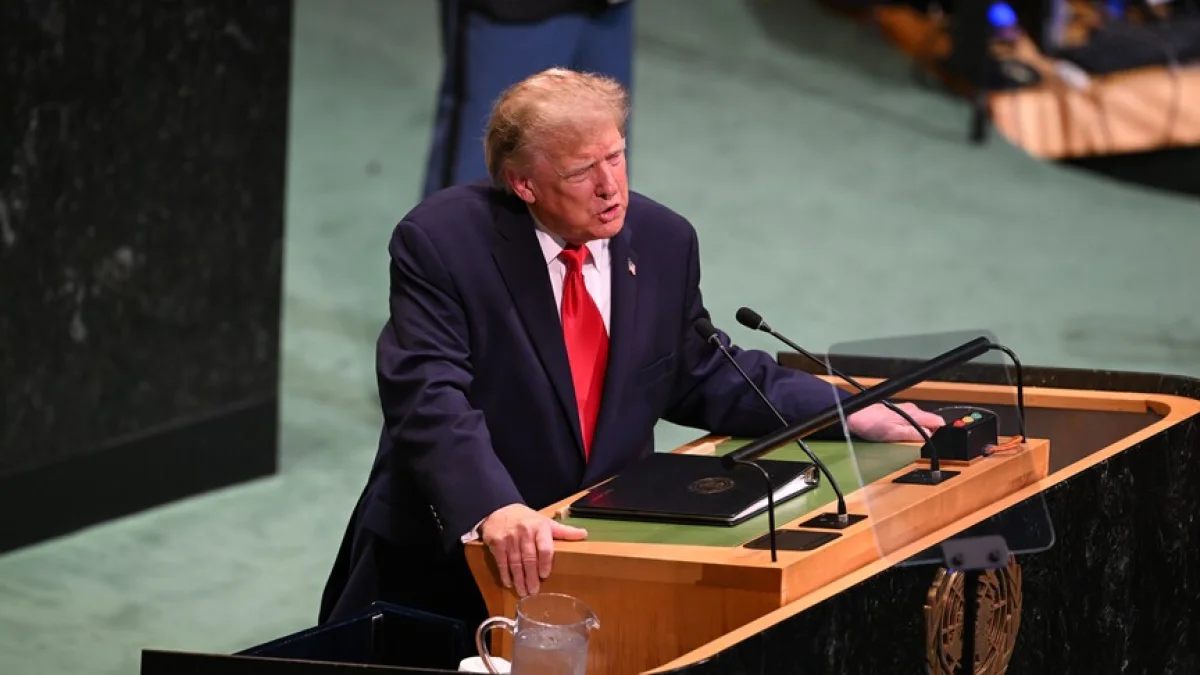
Rodríguez’s meeting with Trump at the UN General Assembly on Tuesday has intensified opposition demands for prompt elections. Interior Minister Diosdado Cabello, a figure closely associated with Maduro’s rule, described the meeting as “a great triumph of the diplomacy of peace”.
Opposition figures, however, criticised the talks, saying they disregarded calls for elections previously backed by the United States. Former Venezuelan state oil company executive and opposition commentator Pedro Mario Burelli said little had changed in the country under what he called Washington’s “clumsy and selective oversight”.
Venezuela’s 2024 presidential election, in which Maduro was declared the winner, was widely disputed. Opposition tallies indicated that the candidate who ran after María Corina Machado was barred from standing had won about 70% of the vote.
After Maduro was seized and put on trial on drug charges in January, the Trump administration supported Rodríguez, Maduro’s former vice-president, as his successor rather than Machado. Analysts described the decision as an effort to prioritise short-term stability until elections could be held.
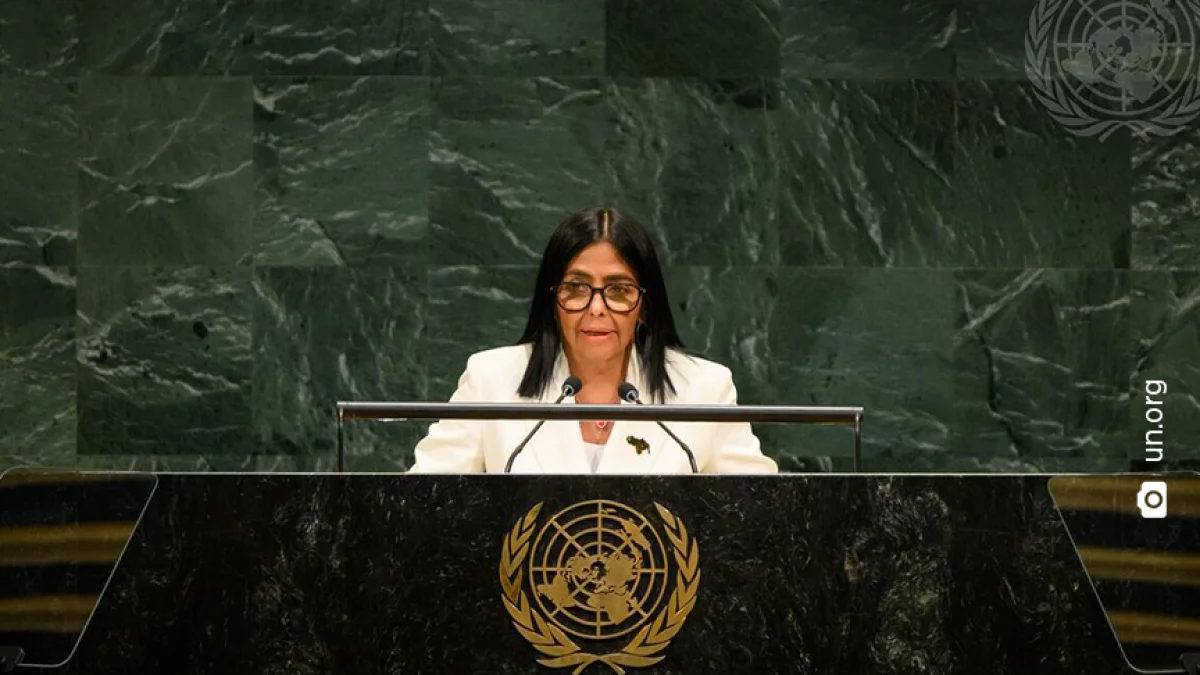
In a speech to the UN General Assembly on Thursday, Rodríguez repeated that there “will be elections in Venezuela”, but did not specify a date.