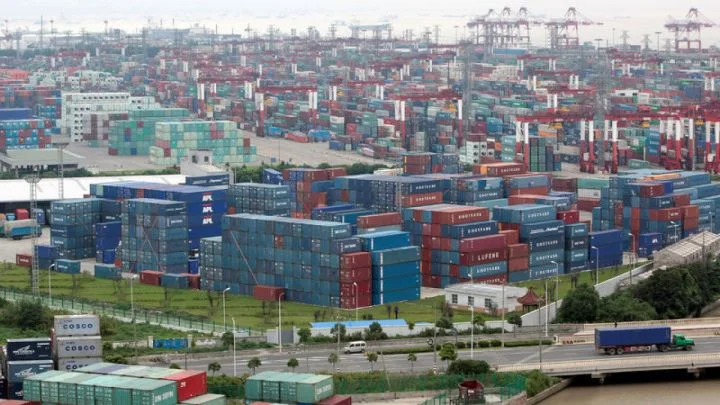
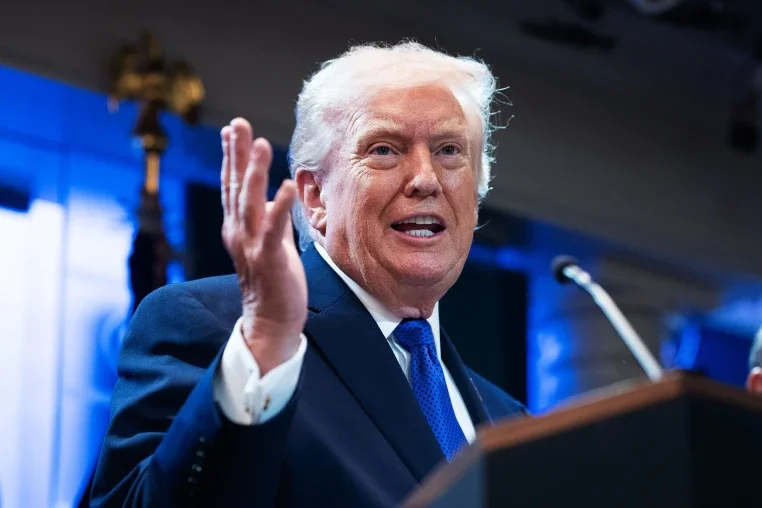
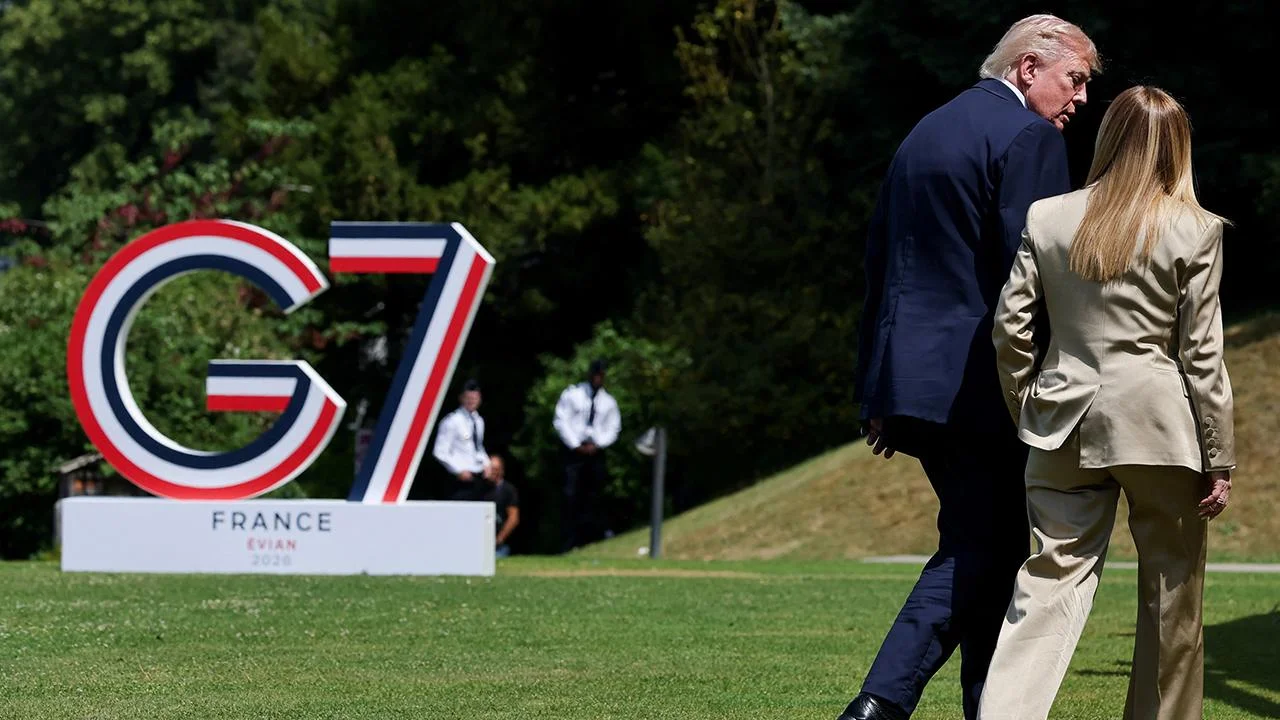
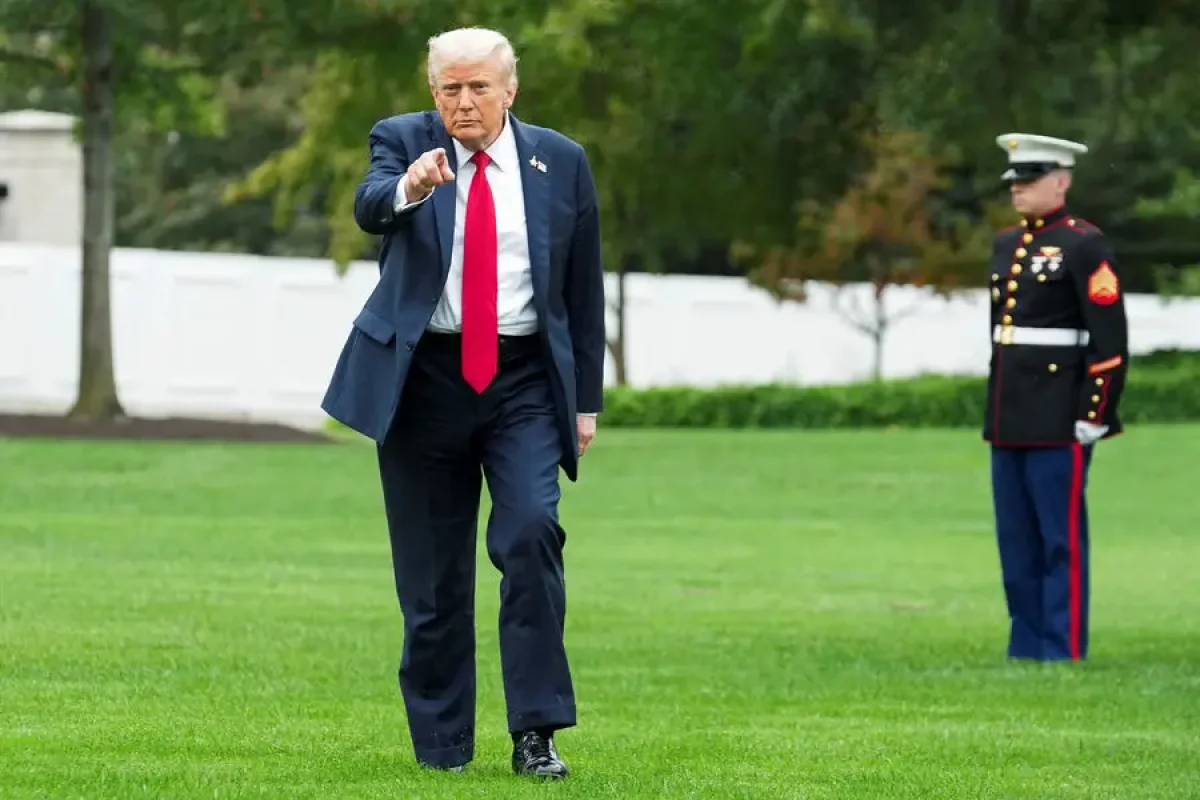
Global tariffs of 10% on imports to the United States have officially entered into force following a period of legal review regarding the measures previously announced by US President Donald Trump.
Operative Information Center-OMM reports, citing foreign media outlets, that the new tariffs have been implemented at a rate lower than initially anticipated by some market analysts.
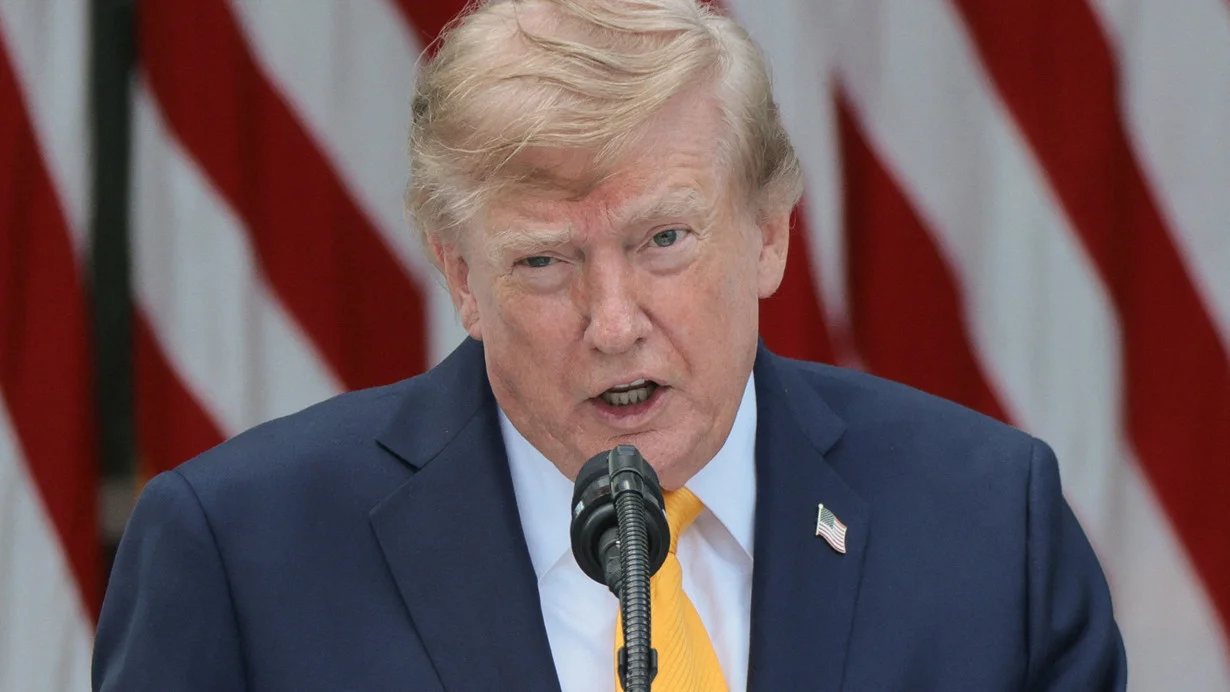
According to official reports, US President Donald Trump announced a 10% tariff for a period of 150 days on February 20, later suggesting a potential increase to 15% on February 21. However, a formal executive order to raise the rate beyond the current 10% has not yet been issued. The US Customs and Border Protection announced that the 10% tariff applies to all goods manufactured abroad and imported into the US, or shipped from warehouses on the US East Coast, effective from 00:01 on February 24. These measures are slated to remain in effect until July 24, 2026.
A White House spokesperson told NBC News that the administration is currently drafting a separate executive order to potentially increase global import tariffs to 15%, though no specific timeline for the signing of this order was provided.
The implementation of these tariffs marks a significant shift in US trade policy under the administration of US President Donald Trump, who assumed office in January 2025. Such protectionist measures are typically aimed at encouraging domestic manufacturing and reducing trade deficits. Historically, global tariffs of this scale impact international supply chains and can lead to reciprocal measures from trading partners, affecting the cost of consumer goods and industrial raw materials worldwide.