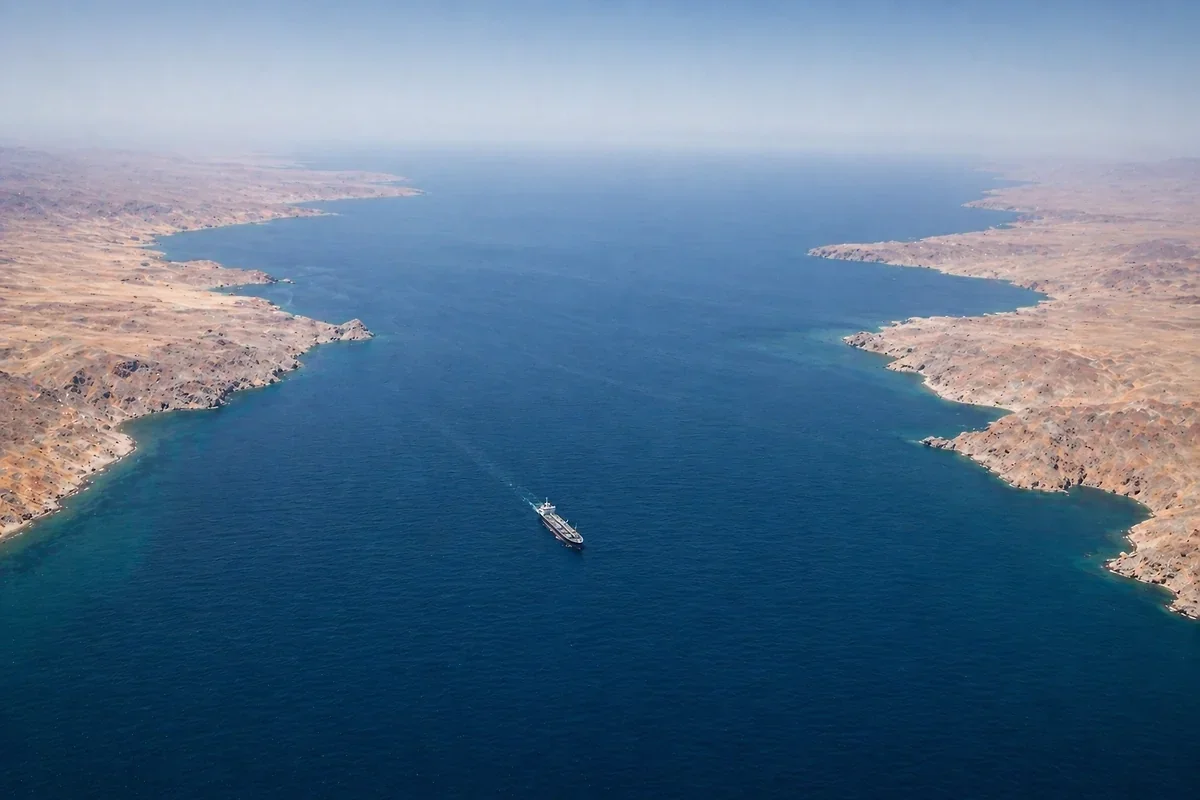
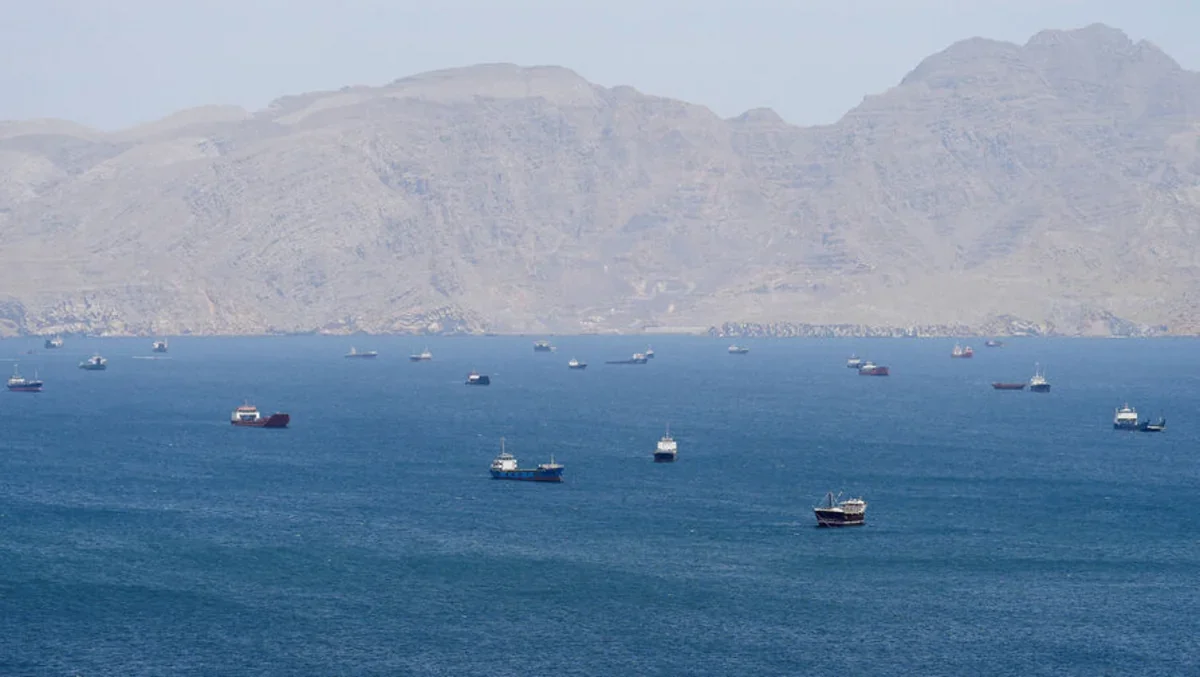
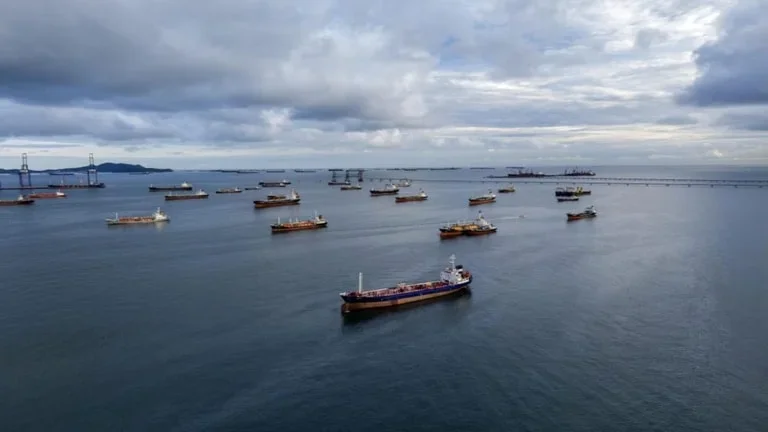
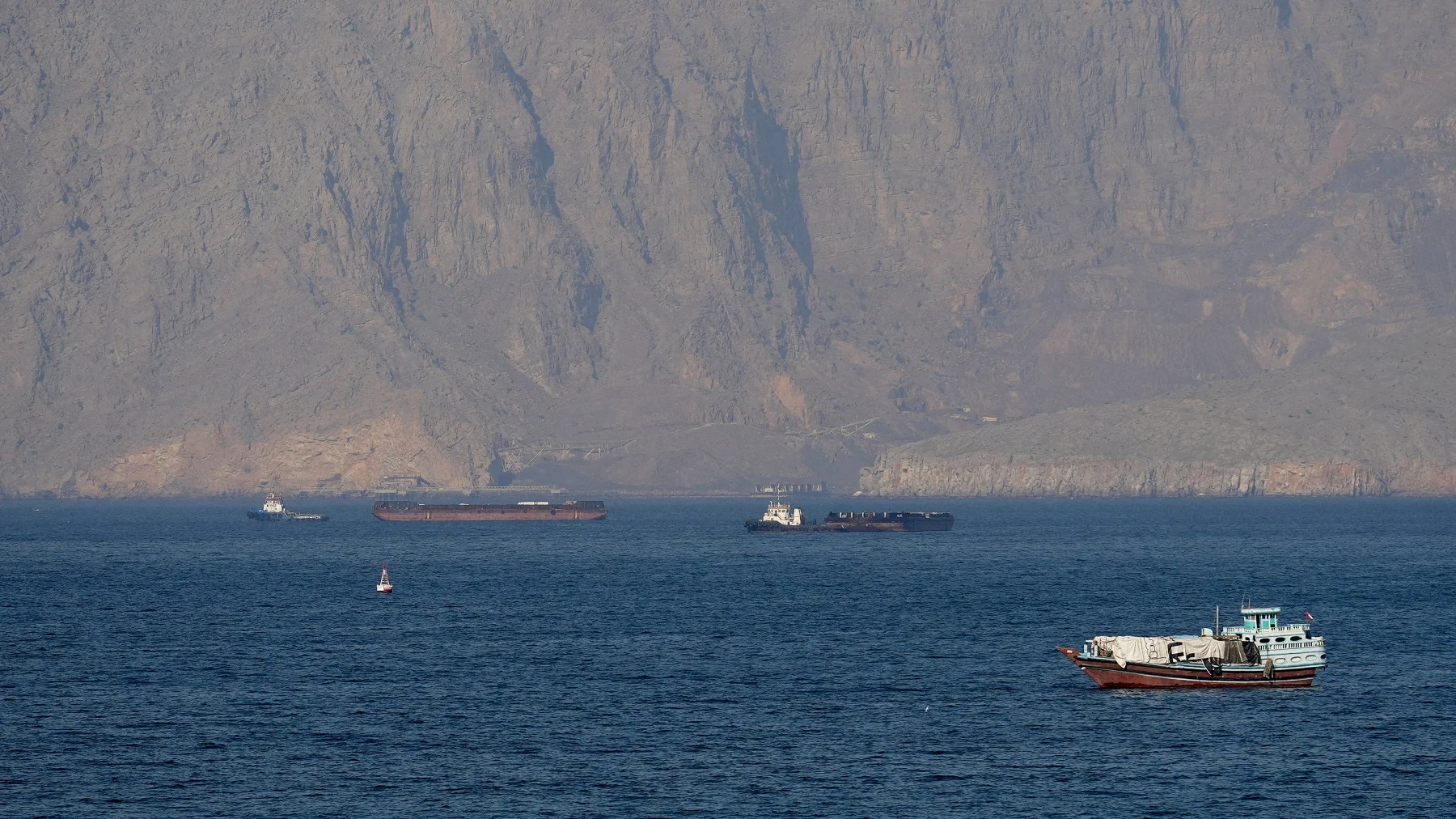
Approximately 1,600 tankers and other commercial vessels are currently awaiting passage near the Strait of Hormuz as regional tensions continue to escalate.
Operative Information Center-OMM reports, citing CNN, that the maritime bottleneck has created a significant backlog in one of the world's most critical energy corridors.
According to official reports, the United States Navy has so far been able to secure the passage of only two vessels through the contested waters. The situation remains volatile; since the onset of the confrontation between the U.S. and Iran in the Strait of Hormuz, 32 ships have come under fire. These incidents have resulted in at least 10 fatalities and dozens of injuries among maritime personnel.
In response to the developing crisis, US President Donald Trump issued a decision on May 5 to suspend "Project Liberty." The operation has been put on hold pending information regarding the potential success of ongoing negotiations between Washington and Tehran. US President Donald Trump further noted that Washington has received formal appeals regarding the maritime security situation from Pakistan and several other nations.
The Strait of Hormuz is a vital chokepoint for global energy markets, with roughly one-fifth of the world's total oil consumption passing through the waterway daily. Located between the Persian Gulf and the Gulf of Oman, it serves as the primary export route for oil from major Middle Eastern producers. Any prolonged disruption in the strait typically leads to increased volatility in global oil prices and heightened geopolitical risks for international shipping companies.