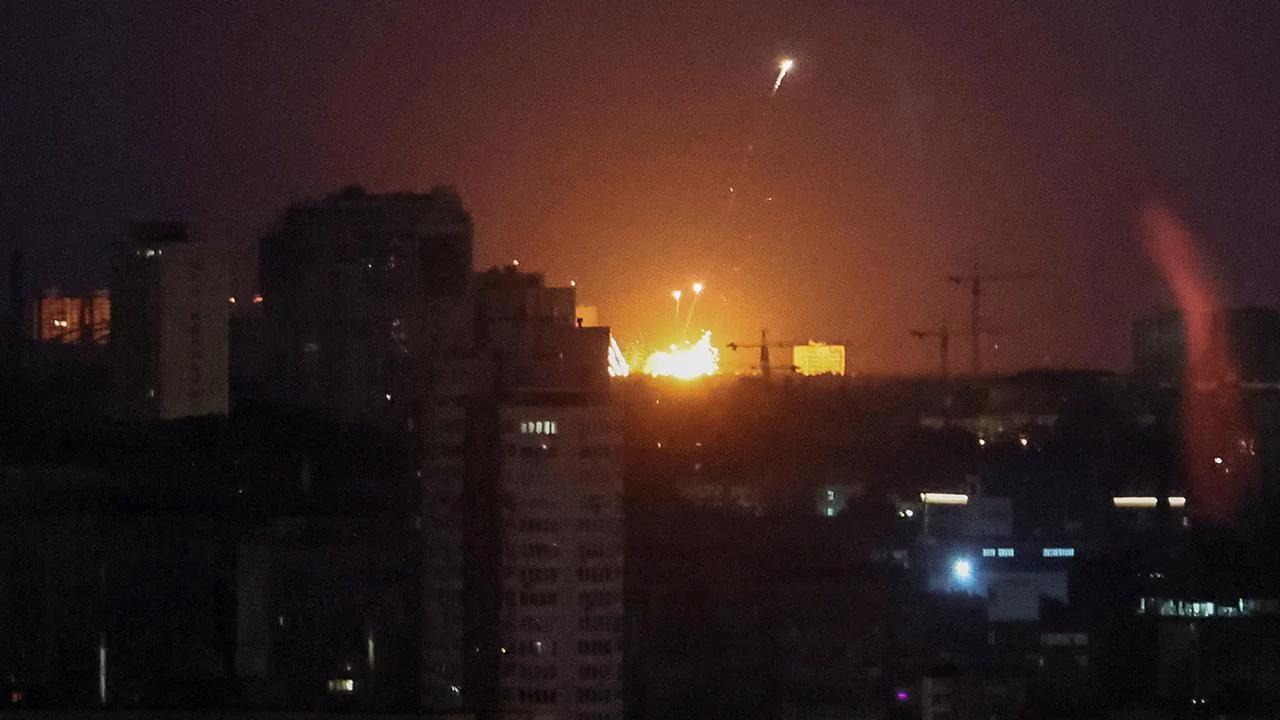
At least eight people have been killed following a series of large-scale drone attacks launched by the Ukrainian military across Russian territory, according to reports.
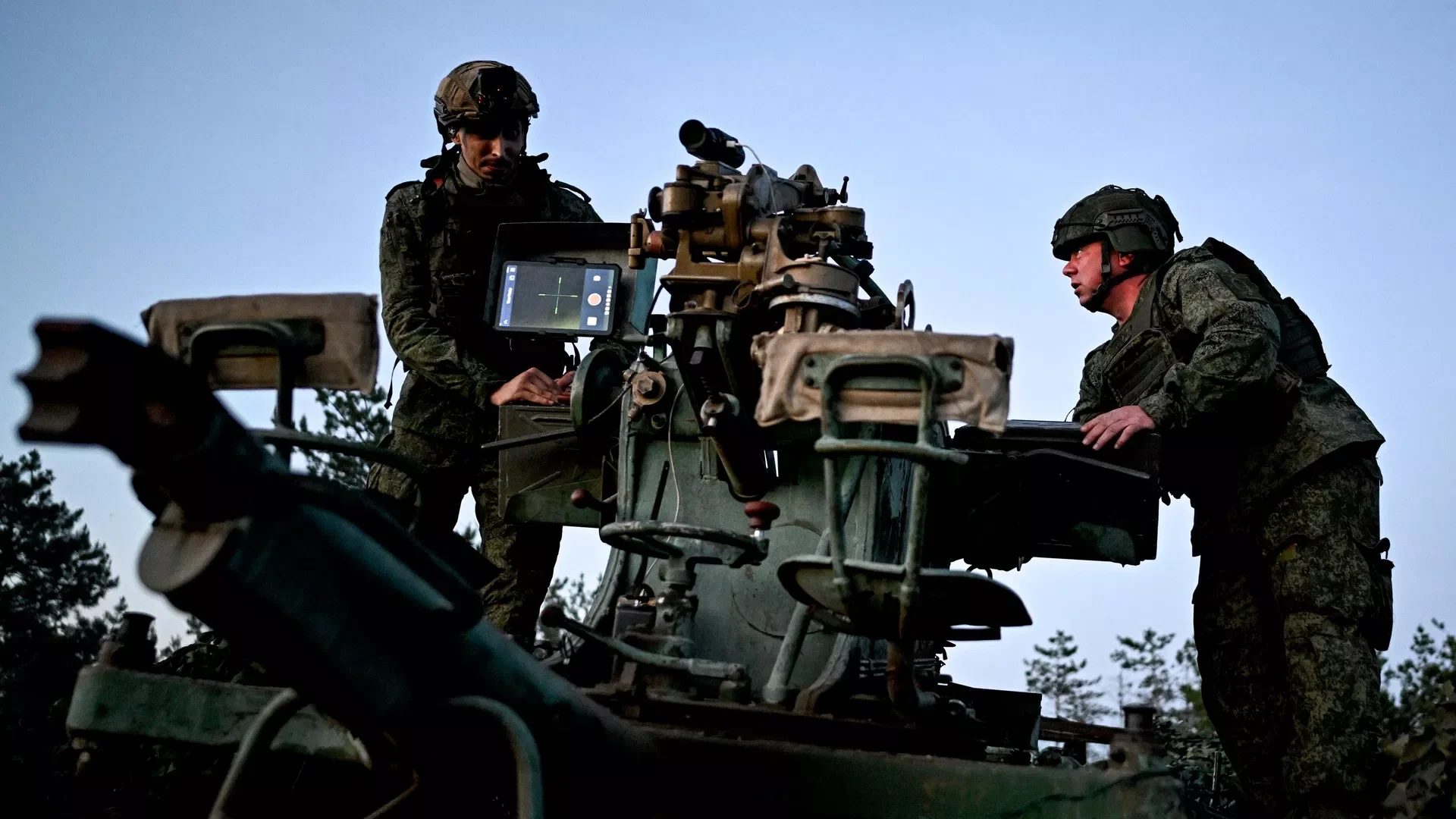
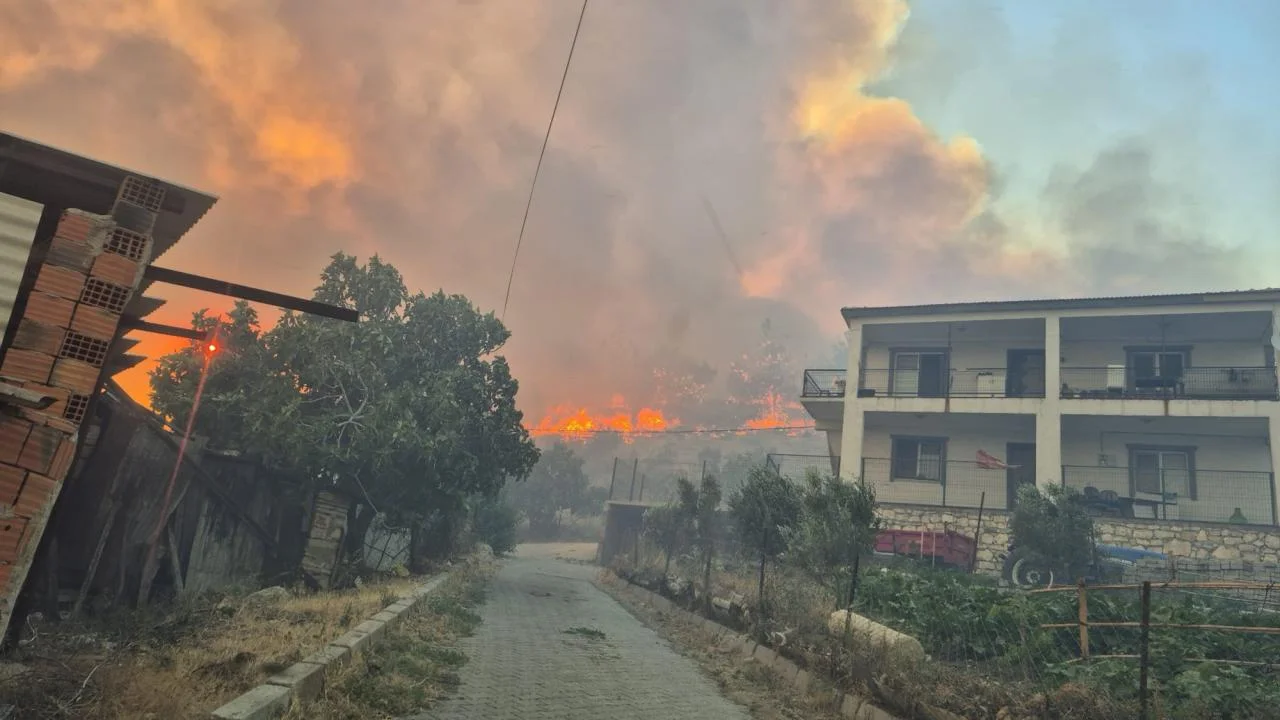
The Operative Information Center-OMM reports that the Russian Ministry of Defense confirmed the incidents, stating that air defense systems neutralized over 635 unmanned aerial vehicles (UAVs) throughout the night. Despite these interceptions, authorities reported damage to both civilian and military infrastructure across several regions.
In the Belgorod region, a drone reportedly struck near a children's playground, resulting in the death of one child and injuring two others. Maria Lvova-Belova, the Russian Commissioner for Children's Rights, condemned the incident. Furthermore, officials in the Saratov region reported that a strike on a residential building in the city of Engels caused two fatalities, while a separate drone attack in the Udmurtia region resulted in three deaths.
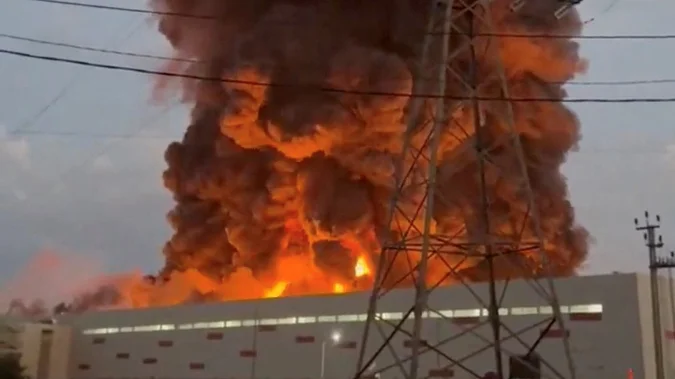
Ukrainian forces have increasingly targeted Russian logistics and commercial facilities in recent months. Since mid-July, several strikes have been reported on warehouses belonging to "Wildberries," one of the country's largest online retailers. A recent attack on a facility in the Samara region triggered a fire, though no casualties were reported there.
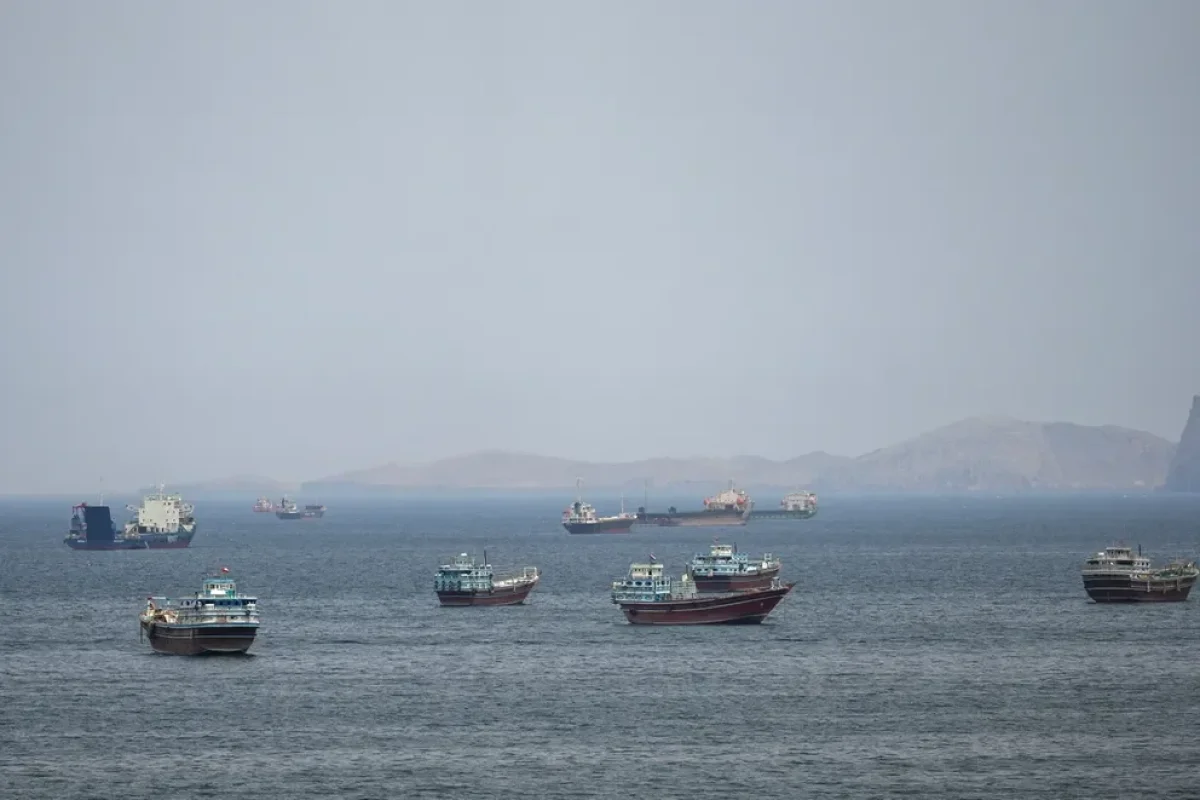
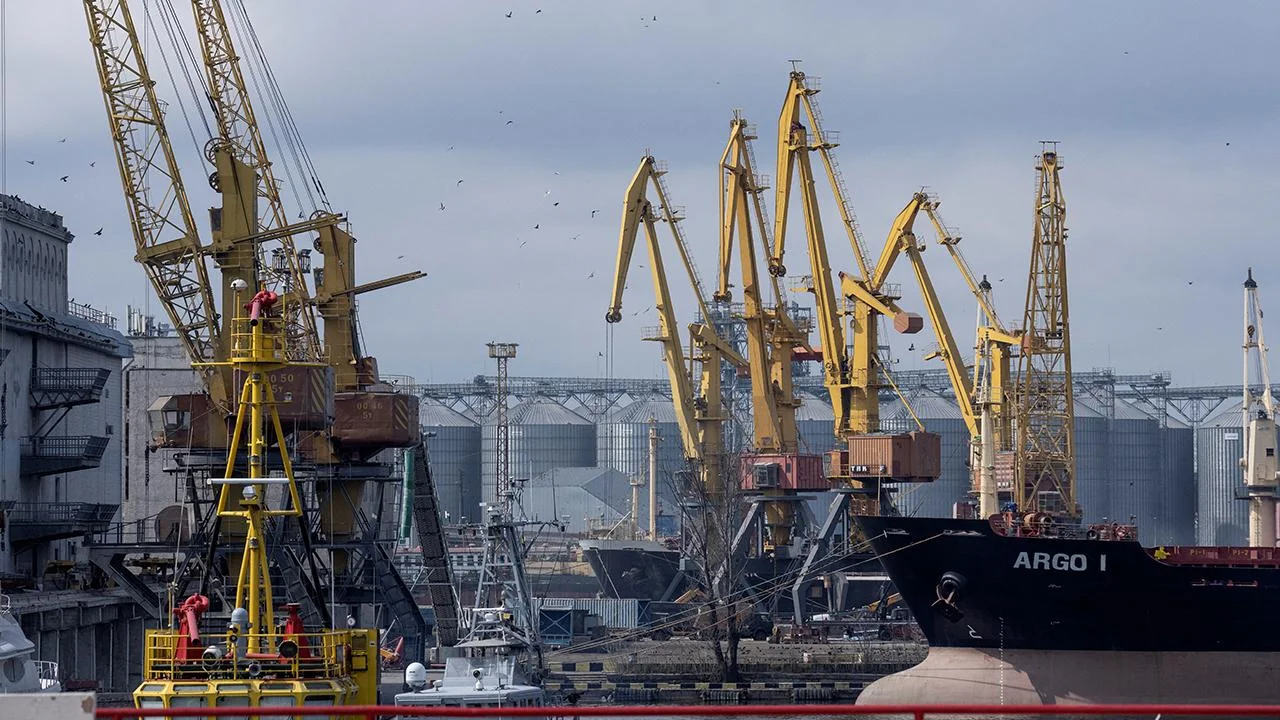
The Ukrainian side has claimed responsibility for strikes on an oil refinery in the Saratov region, a military airbase in Engels, and an oil depot in the Kaluga region. Meanwhile, Russian officials confirmed the destruction of UAVs over the city of Ufa in Bashkortostan, noting that industrial facilities were targeted. In response, the Russian military stated it has launched retaliatory strikes against vessels transporting military cargo near the Mykolaiv port in Ukraine.
The ongoing conflict between Russia and Ukraine, which escalated significantly in February 2022, has seen a marked increase in the use of long-range drone warfare. Both sides are increasingly focusing on degrading the other's logistical capabilities, energy infrastructure, and military supply chains, leading to frequent cross-border exchanges that impact civilian areas.