 OMM Redaksiyası

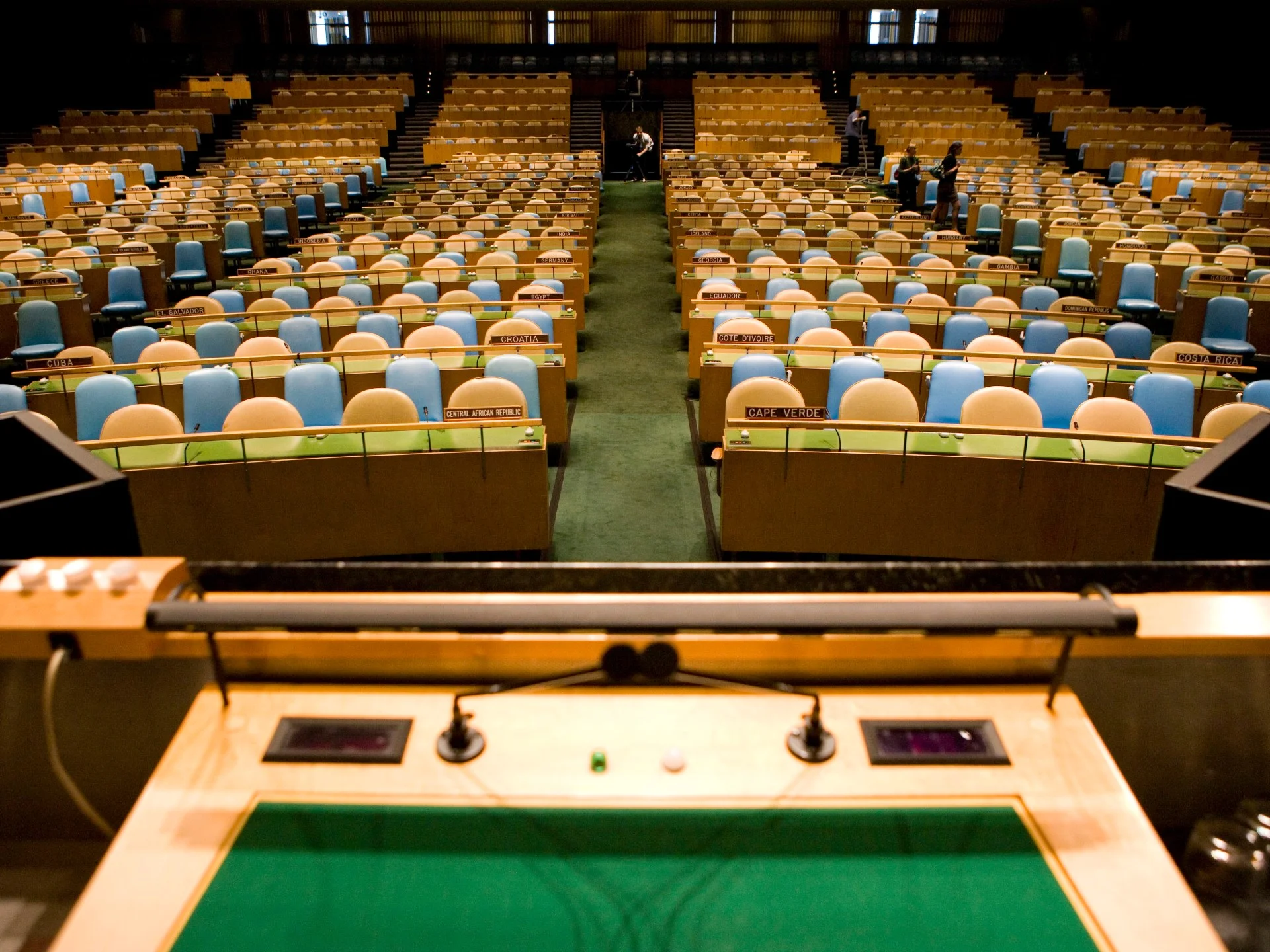
World leaders will gather in New York next week for the high-level General Debate of the 81st session of the UN General Assembly, with conflicts in Gaza, Ukraine and Iran expected to dominate discussions, according to the source article.
The high-level week will run from Sept. 22 to 28, following the formal opening of the session on Sept. 8. Bangladeshi diplomat Khalilur Rahman is presiding over the session, held under the theme “Restoring Trust, Managing Transformation: A United Nations That Delivers for All.”
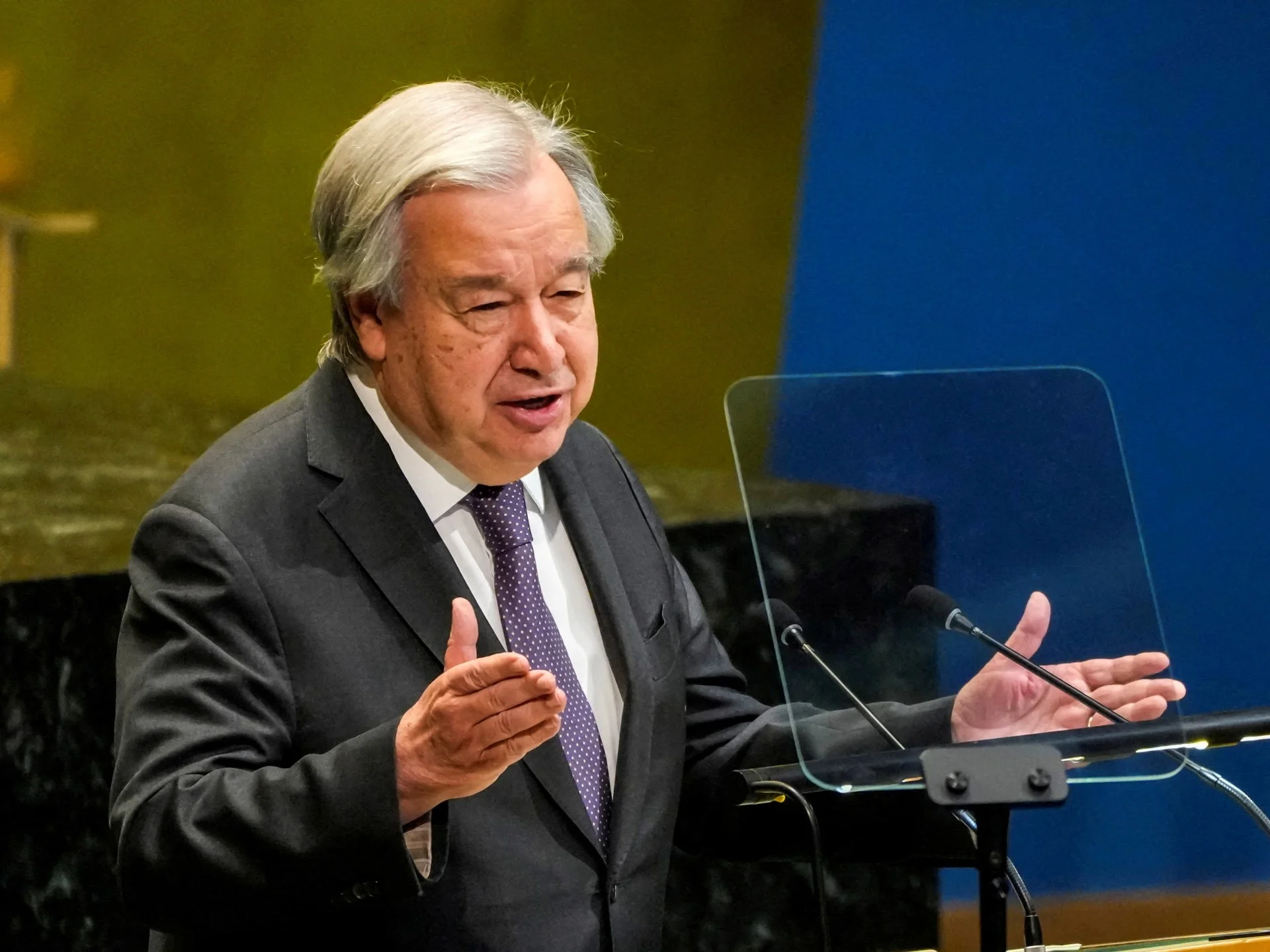
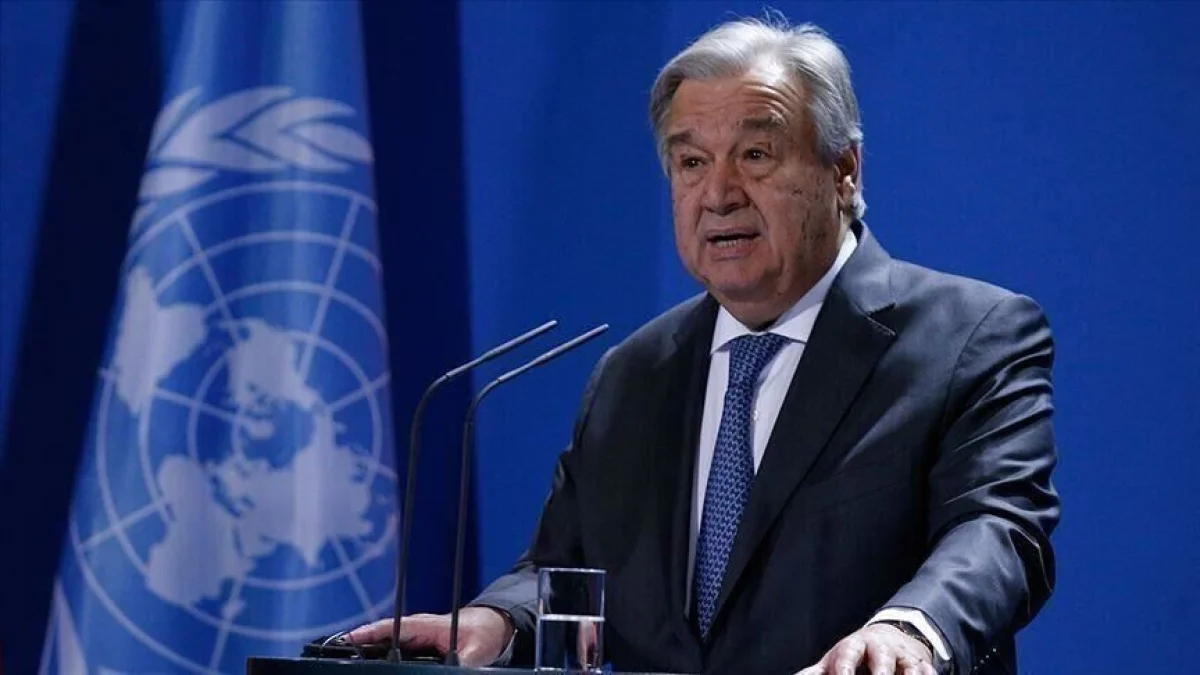
UN Secretary-General Antonio Guterres will open the debate for the final time before his mandate ends on Dec. 31. Brazil is expected to deliver the first address after the opening speakers, followed by the United States, in line with a tradition observed since 1955.
Wars and Security Council paralysis
The meeting comes as the UN faces several active conflicts and deep divisions among major powers. In Gaza, a ceasefire that began on Oct. 10, 2025, under a US-backed plan has held unevenly. Repeated Israeli violations have reportedly killed at least 1,318 Palestinians and injured more than 4,300 since then.
Efforts to end the war in Ukraine have also stalled. US envoys Steve Witkoff and Jared Kushner held more than three hours of talks with Russian President Vladimir Putin in Moscow in early September, but the meeting produced no breakthrough. Ukrainian President Volodymyr Zelenskyy said afterward that the war would continue, while the Kremlin has indicated that trilateral talks with Washington could resume without setting a date or venue.
US-Israeli strikes on Iran at the end of February continued intermittently through the summer. Tensions flared again in early September after the United States struck Iranian targets and Tehran retaliated against US bases in Kuwait, Jordan, Bahrain, the United Arab Emirates and Iraq, adding pressure on shipping through the Strait of Hormuz.
The dispute over Iran has contributed to a deadlock in the Security Council. Members remain divided over whether sanctions restored under the “snapback” mechanism in September 2025 are legally in effect, preventing agreement on routine council business.
Other issues expected on the agenda include Cyprus, Sudan’s worsening humanitarian crisis, Myanmar’s political turmoil and humanitarian emergency, and Haiti’s security crisis.
Climate, development and artificial intelligence
The General Assembly week will also include several high-level meetings on global development and emerging challenges. An “SDG Moment” on Sept. 18 will seek to revive efforts to achieve the 2030 Sustainable Development Goals.
A meeting on climate action and the “just transition,” convened by Guterres, will begin on Sept. 23. Organizers say the meeting comes at a time when exceeding the Paris Agreement’s temperature targets is increasingly viewed as inevitable.
The same day will mark the 40th anniversary of the Declaration on the Right to Development. A meeting on the threat posed by rising sea levels to low-lying and island states is scheduled for Sept. 24, followed by discussions on pandemic prevention and preparedness on Sept. 25.
The week will conclude on Sept. 28 with events marking the 25th anniversary of the Durban Declaration against racism and efforts to advance a global framework for artificial intelligence governance.
Guterres said AI would be a major focus of his meetings with world leaders. He called for a shared understanding of how to promote the safe, secure and responsible development of AI, including ways to determine when powerful systems require stronger safeguards.
Calls to reform the UN
The Security Council’s inability to reach agreement on Gaza, Ukraine and Iran has renewed calls for reform. Advocates say the council’s composition no longer reflects the current distribution of global power.
Guterres described Security Council reform as “an absolute priority,” saying it was unacceptable for the body to reflect the world of many decades ago rather than today’s international system.
He warned that the council’s paralysis, combined with the example set by major powers, had encouraged countries to believe they could act with impunity. The United States, meanwhile, has said it will promote a narrower approach focused on international peace and security, state sovereignty and measurable results.
The General Debate is therefore expected to serve less as a platform for consensus than as an indication of the extent of divisions among UN members, 81 years after the organization was founded.
Race to succeed Guterres
The session will also take place against the backdrop of a race to choose Guterres’ successor. His term ends on Dec. 31, and the next secretary-general is expected to take office on Jan. 1, 2027.
Diplomatic contacts on the sidelines of the General Debate are expected to influence the selection process as candidates’ positions develop alongside the formal discussions.