 OMM Redaksiyası

The high-level general debate of the 81st United Nations General Assembly began on September 22, bringing nearly 130 heads of state and government to the podium in New York. The session is the central event of the UNGA’s annual meeting, which opened on September 8 under President Khalilur Rahman of Bangladesh, according to Al Jazeera.
The debate will continue through September 26, pause on Sunday, and resume on September 28. Meetings are scheduled in two daily sessions, from 9 a.m. to 2:45 p.m. and from 3 p.m. to 9 p.m. local time.
Who is speaking at the UN General Assembly?
UN Secretary-General Antonio Guterres is due to open the debate by presenting his annual report. It is expected to be his final address before his second and final term ends on December 31. UNGA President Khalilur Rahman will then formally open the debate.
Brazil traditionally delivers the first national address, a practice dating back to 1955. The United States, as the host country, usually follows, with President Donald Trump expected to speak after Brazil on the morning of September 22.
The speaking order for other countries is based on the level of representation, national preferences and geographic balance. The Holy See, the State of Palestine and the European Union have also been invited to participate.
Where is the UNGA being held?
The General Assembly is taking place at UN headquarters on the East River in Manhattan. The complex was built between 1949 and 1952 and is regarded as international territory.
Most UNGA sessions have been held in New York since 1952. One notable exception was 1988, when the assembly met in Geneva after the United States denied a visa to Palestinian leader Yasser Arafat.
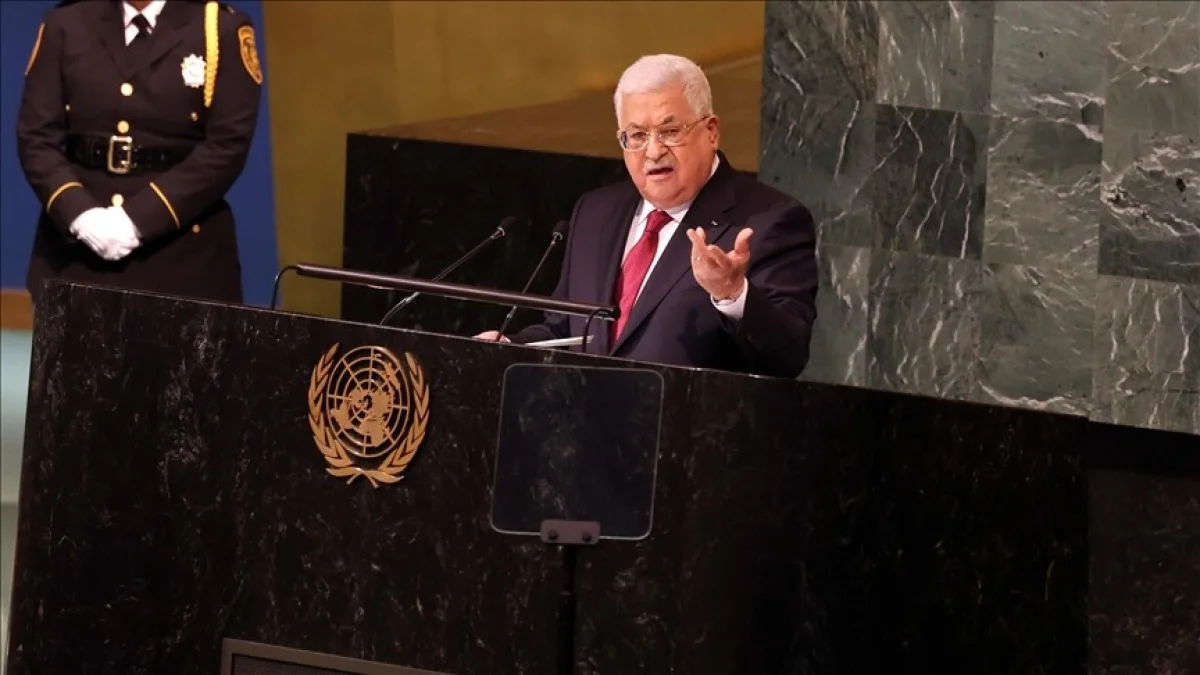
For the second consecutive year, the United States has denied visas to Palestinian officials. As a result, Palestinian President Mahmoud Abbas is expected to address the assembly by prerecorded video. The decision has been criticised by the UN, which said it violated the Host Country Agreement.
What is on the 2026 agenda?
The theme of the 81st General Assembly is “Restoring trust, managing transformation: a United Nations that delivers for all”.
High-level meetings are scheduled on climate action and a just transition, the 40th anniversary of the Declaration on the Right to Development, sea-level rise, pandemic preparedness, the 25th anniversary of the Durban Declaration against racism, and the elimination of nuclear weapons.
Speakers are also expected to focus on the wars in the Middle East and Ukraine, artificial intelligence and the UN’s financial difficulties. Diplomats will additionally follow the race to replace Guterres as secretary-general.
Who could become the next UN secretary-general?
The UN Security Council must first recommend a candidate before the General Assembly can formally appoint the next secretary-general. Seven candidates remain in the contest:
- Rebeca Grynspan of Costa Rica, secretary-general of UNCTAD and a former vice president;
- Carolyn Rodrigues-Birkett of Guyana, the country’s permanent representative to the UN and former foreign minister;
- Ivonne Baki of Ecuador, a diplomat and former foreign trade minister;
- Maria Fernanda Espinosa of Ecuador, a former UNGA president and foreign minister;
- Rafael Grossi of Argentina, director-general of the International Atomic Energy Agency;
- Macky Sall of Senegal, a former president;
- Olara Otunnu of Uganda, a former foreign minister and former UN undersecretary-general.
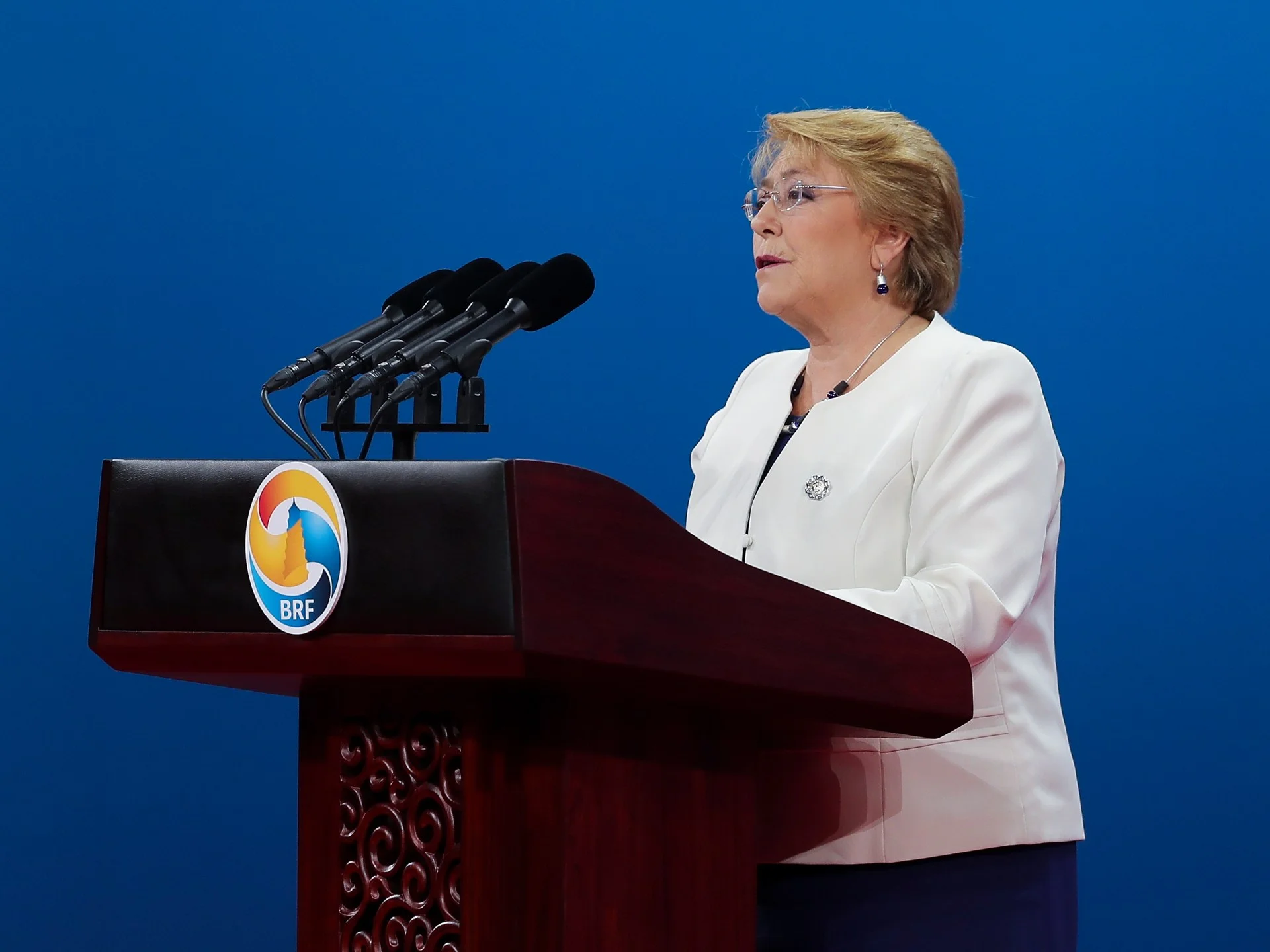
Former Chilean President Michelle Bachelet withdrew after receiving support from only one of the 15 Security Council members in the latest informal vote. Grynspan led that poll, while Rodrigues-Birkett ranked second.
The Security Council must agree on one candidate without a veto from any of its five permanent members before sending the recommendation to the General Assembly.
How many countries are in the UN?
The United Nations has grown from 51 members at its founding in 1945 to 193 today. Palestine and the Holy See, or Vatican City, hold non-member observer-state status.
Each member has one vote in the General Assembly, whose resolutions are generally nonbinding recommendations. This differs from the 15-member Security Council, where five permanent members have veto power and decisions can be legally binding.