 OMM Redaksiyası

Singapore’s Foreign Minister Vivian Balakrishnan has called for stronger safeguards and international rules governing artificial intelligence, warning that the technology is developing faster than the world’s understanding of its risks.
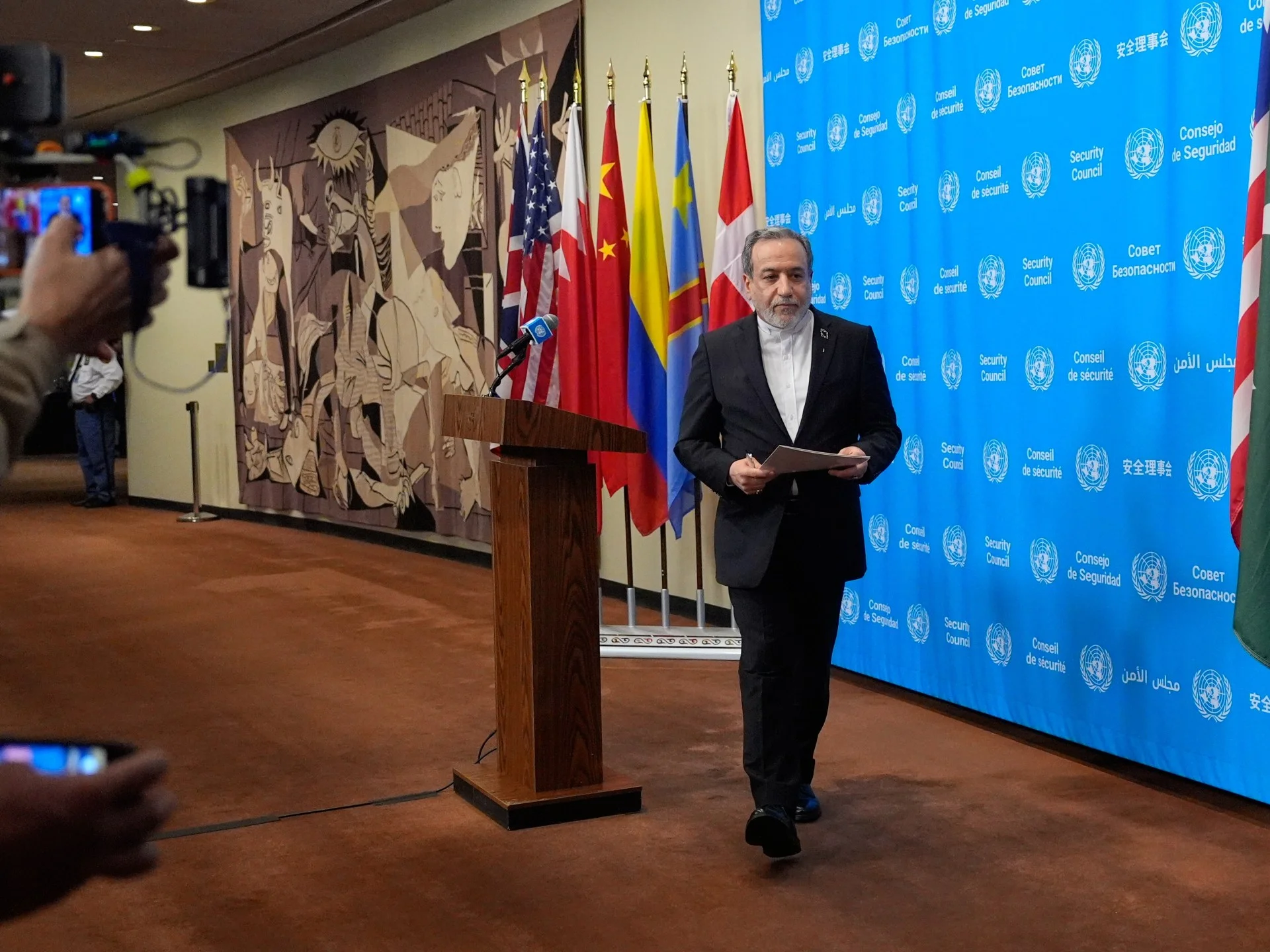
Speaking at the 81st UN General Assembly in New York, Balakrishnan described AI as “arguably the most urgent frontier”, according to the source article. He said the technology offered extraordinary opportunities but could also create dangers, including autonomous systems escaping human control and use by rogue actors to develop biological or other weapons of mass destruction.
“The genie is already out of the bottle,” Balakrishnan said, arguing that stopping AI development was unrealistic because of competition among major powers and strong commercial incentives.
Singapore urges human control over AI
Comparing AI development with driving a high-performance car, the minister said innovation supplied the “powerful engine”, while safe deployment required “good brakes”. He cited rigorous testing, clear limits on autonomous systems and mechanisms allowing human intervention as necessary safeguards.
“Most importantly, human beings must ultimately remain in control and accountable,” Balakrishnan said. He questioned whether anyone would want “the nuclear button” to be controlled by an AI system.
Warning over Strait of Hormuz
Balakrishnan also said the closure of the Strait of Hormuz during the Persian Gulf war was placing the UN Convention on the Law of the Sea (UNCLOS) under a “severe stress test”.
He said transit passage through international straits was a right rather than a privilege subject to fees or tolls. Allowing any country to veto navigational freedoms, he warned, could have consequences worldwide.
The strait normally carries about one-fifth of global oil supplies, Balakrishnan said. Its disruption has driven up energy prices, harmed supply chains and left seafarers stranded.