 OMM Redaksiyası

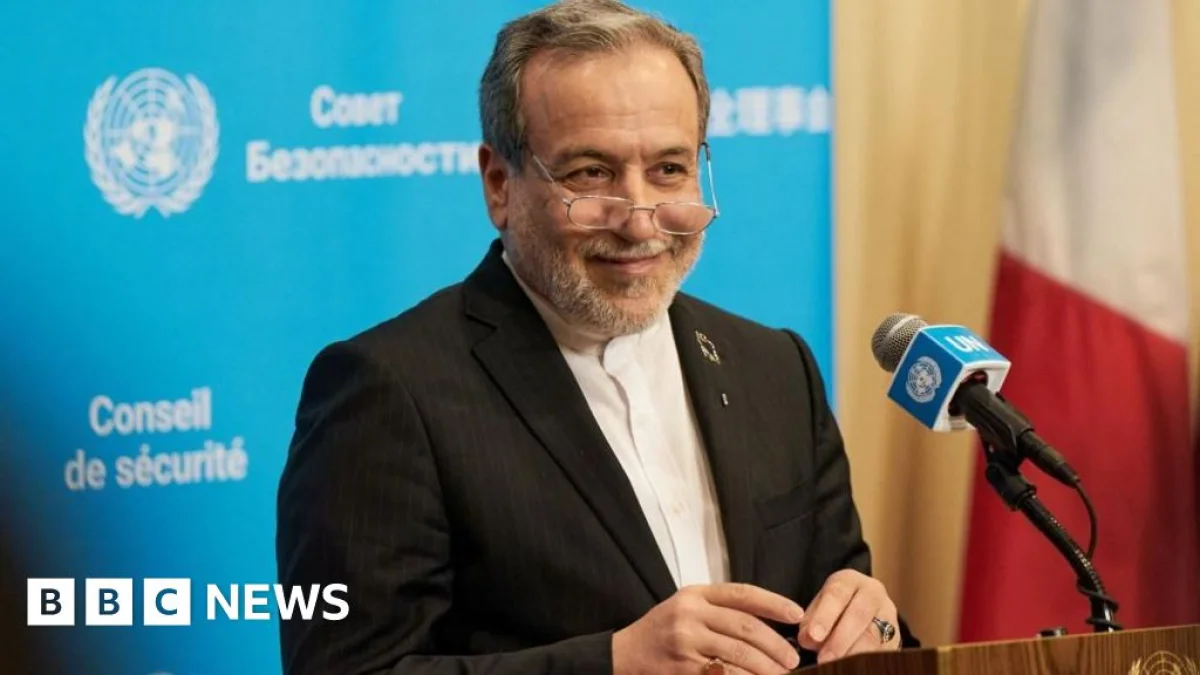
Iran has formally submitted a seven-day roadmap for ending its war with the United States and is awaiting Washington’s response, Foreign Minister Abbas Araghchi said, according to Al Jazeera, AFP and AP.
Araghchi told reporters outside the United Nations Security Council on Friday that the proposal had been conveyed to Washington through Qatar. The plan’s seven-day timeline would begin once the United States accepts it.
“The seven-day timeline will start as soon as the United States accepts this plan,” Araghchi said.
What Iran’s plan includes
According to the proposal, the United States would lift its naval blockade of Iranian ports, waive sanctions on Iranian oil sales, release an estimated $12 billion in frozen Iranian assets and observe a regional ceasefire covering Lebanon and Yemen.
Iran would reopen the Strait of Hormuz, a vital route through which one-fifth of the world’s traded oil and gas passed before the war. Araghchi said initial measures would take four to five days, the waterway would reopen on the sixth day and talks on a final agreement covering mutually agreed issues, including Iran’s nuclear programme, would begin on the seventh.
“The choice now rests with the United States,” Araghchi said, adding that Iran would not accept coercion or surrender its sovereign rights under pressure.
Proposal echoes earlier agreement
The roadmap closely resembles a memorandum of understanding signed by Tehran and Washington on June 17 following mediation by Qatar and Pakistan. That agreement established a 60-day period for negotiations but collapsed within weeks.
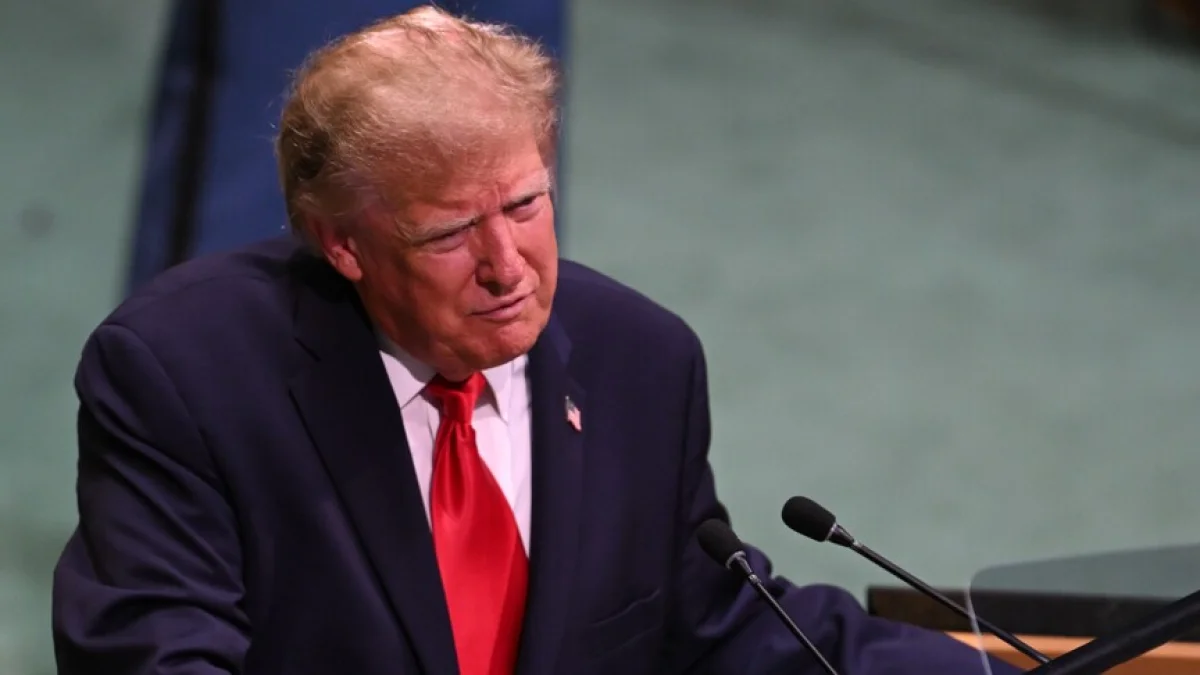
Disputes over technical and unclear provisions concerning shipping through the Strait of Hormuz intensified after Iran began firing on vessels it accused of violating its authorisation rules. US President Donald Trump declared the agreement “over” in July, and the United States has since carried out sporadic strikes on Iranian territory and coastal areas.
Araghchi met US envoy Steve Witkoff on Tuesday on the sidelines of the United Nations General Assembly. Witkoff described the meeting as “lengthy” and said he hoped the discussions would prove constructive and promising.
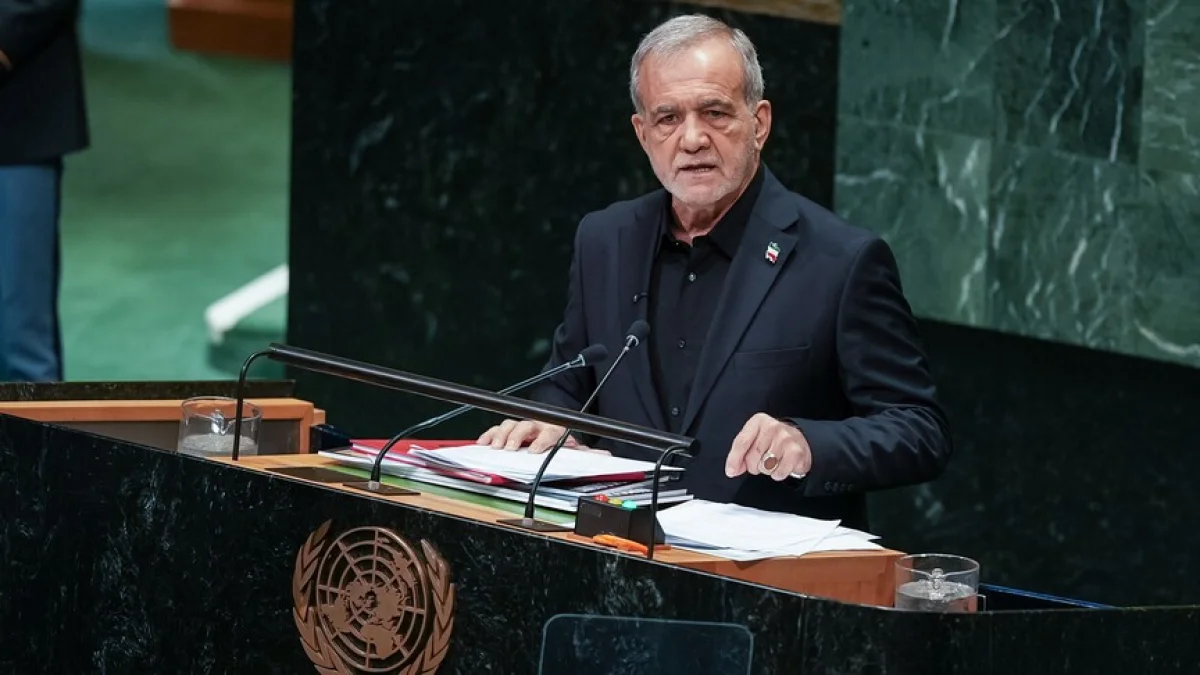
Iranian President Masoud Pezeshkian told Fox News that ending the war was now up to Washington. A White House official told CNN that the Trump administration was engaged in “positive and constructive discussions through the mediators”.
Scepticism remains over prospects
Analysts remain doubtful that the new proposal will produce a major breakthrough. Cyrus Schayegh of the Geneva Graduate Institute said little had fundamentally changed, arguing that Iran wanted to preserve the leverage it had gained during the war while Washington opposed returning to the June framework.
A major agreement appears unlikely before the US midterm elections in November, although Araghchi said it would be preferable to reach one beforehand.
Qatar, a key mediator, said its foreign minister spoke with Pezeshkian on Friday about de-escalation and conditions for renewed dialogue.