 OMM Redaksiyası

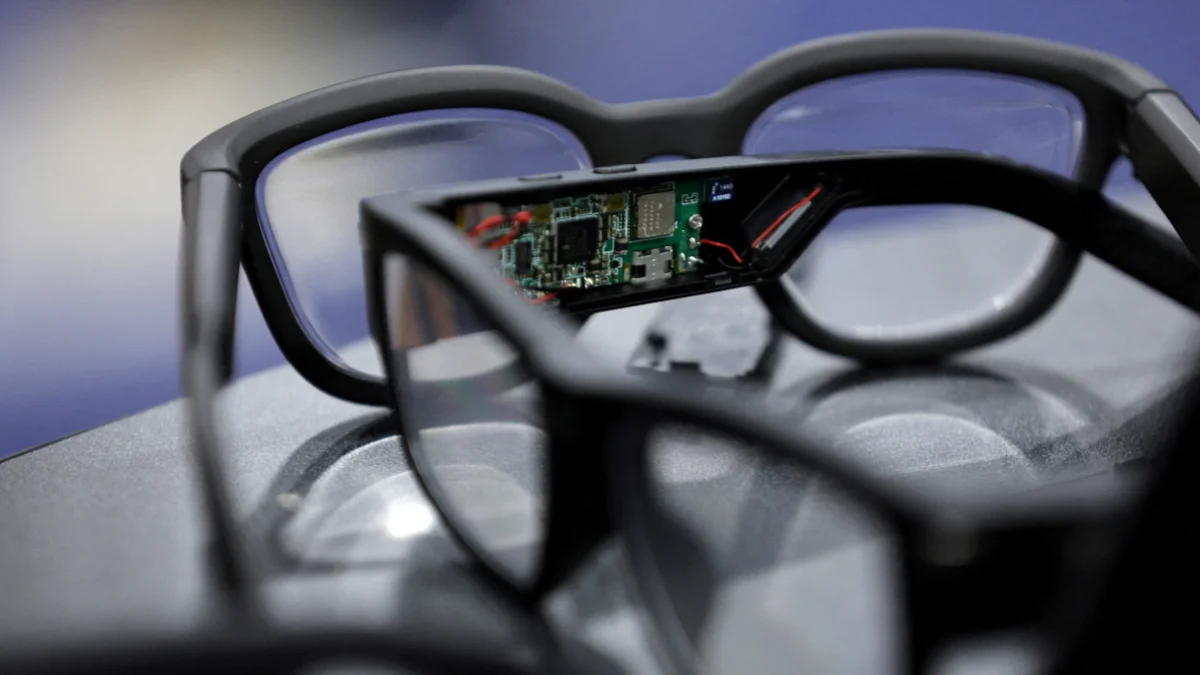
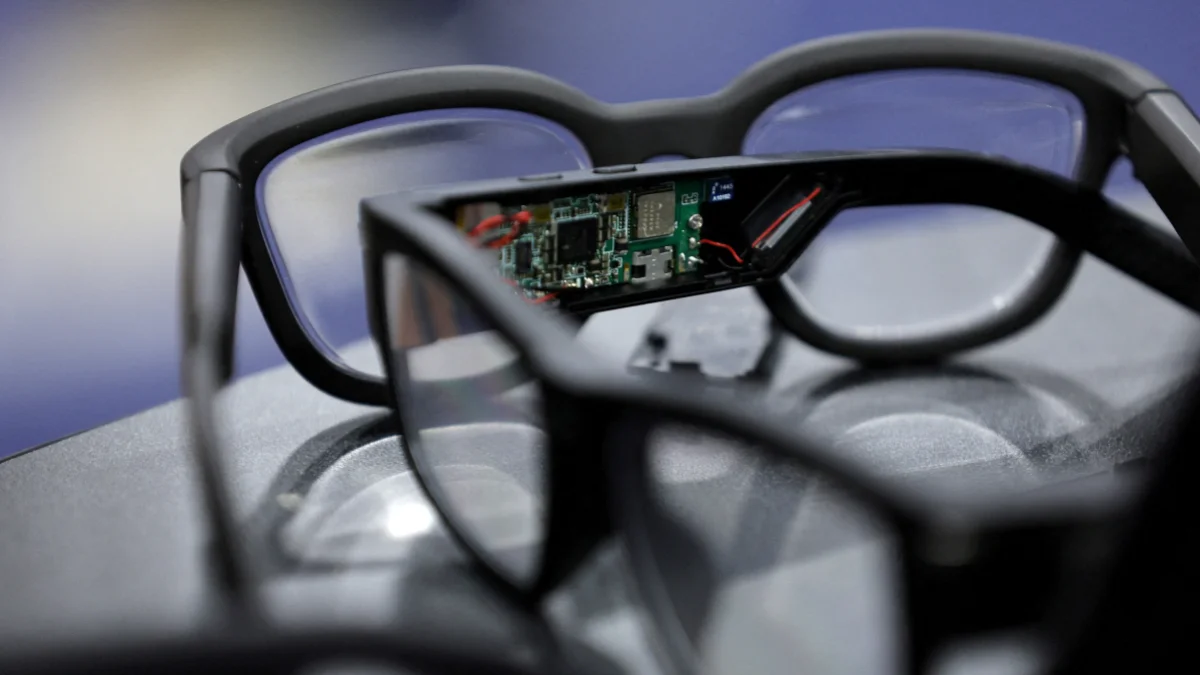
Meta has unveiled its next-generation wearable technologies as it seeks to bring artificial intelligence-powered devices to a broader user base. The company presented lightweight virtual reality (VR) glasses alongside camera-free smart glasses.
The announcements were made on Sept. 23 at the Meta Connect conference in Menlo Park, California, in the United States.
Lightweight VR glasses
Meta’s new VR glasses weigh about 100 grams. Unlike conventional VR headsets, the device has a design resembling a large pair of glasses.
The device will be priced at $1,299 and is scheduled to go on sale in spring 2027. The glasses feature a 5K microOLED display and respond to eye movements, hand gestures and voice commands.
The processor and battery have been separated from the glasses and placed in a separate pocket-sized device. The company said this helps reduce the glasses’ weight. Meta CEO Mark Zuckerberg described the new product as a “breakthrough.” The company aims to compete with Apple’s heavier and more expensive Vision Pro device.
Camera-free smart glasses
The company also introduced its first camera-free smart glasses, the Ray-Ban Meta Audio model. The device includes microphones and speakers for listening to music, making calls and interacting with Meta’s Muse artificial intelligence assistant.
The glasses are expected to go on sale on Oct. 13 for £319, or $423. The battery will provide up to 12 hours of use.
The launch of the camera-free model comes as privacy concerns surrounding camera-equipped smart glasses continue to grow. Critics say people could be recorded without their knowledge.
Citesh Ubran, research director at IDC, said removing the camera could reduce some privacy concerns, but it would still be possible to record audio without consent or misuse the devices. According to him, user consent remains the central issue.
Meta said privacy was not the only reason for removing the camera, noting that audio functionality is among the most frequently used features in smart glasses. However, privacy concerns have not been eliminated entirely because the new glasses can still record sound.
Muse artificial intelligence assistant expanded
Meta said it would expand its Muse artificial intelligence assistant across its entire smart-glasses product line. Users will be able to make purchases, schedule appointments and complete various tasks using voice commands.
Mark Zuckerberg said Muse would become the “main interface” for the glasses.
The company also introduced a small handheld device called Meta Charm, which is expected to go on sale in December. The device will feature a touchscreen and 5G connectivity.
The new products show that Meta is placing greater emphasis on artificial intelligence-based wearable devices. The company hopes that glasses will eventually take over some functions currently performed by smartphones. However, as these devices expand users’ ability to see and hear their surroundings, privacy and consent will remain among the technology’s key challenges.