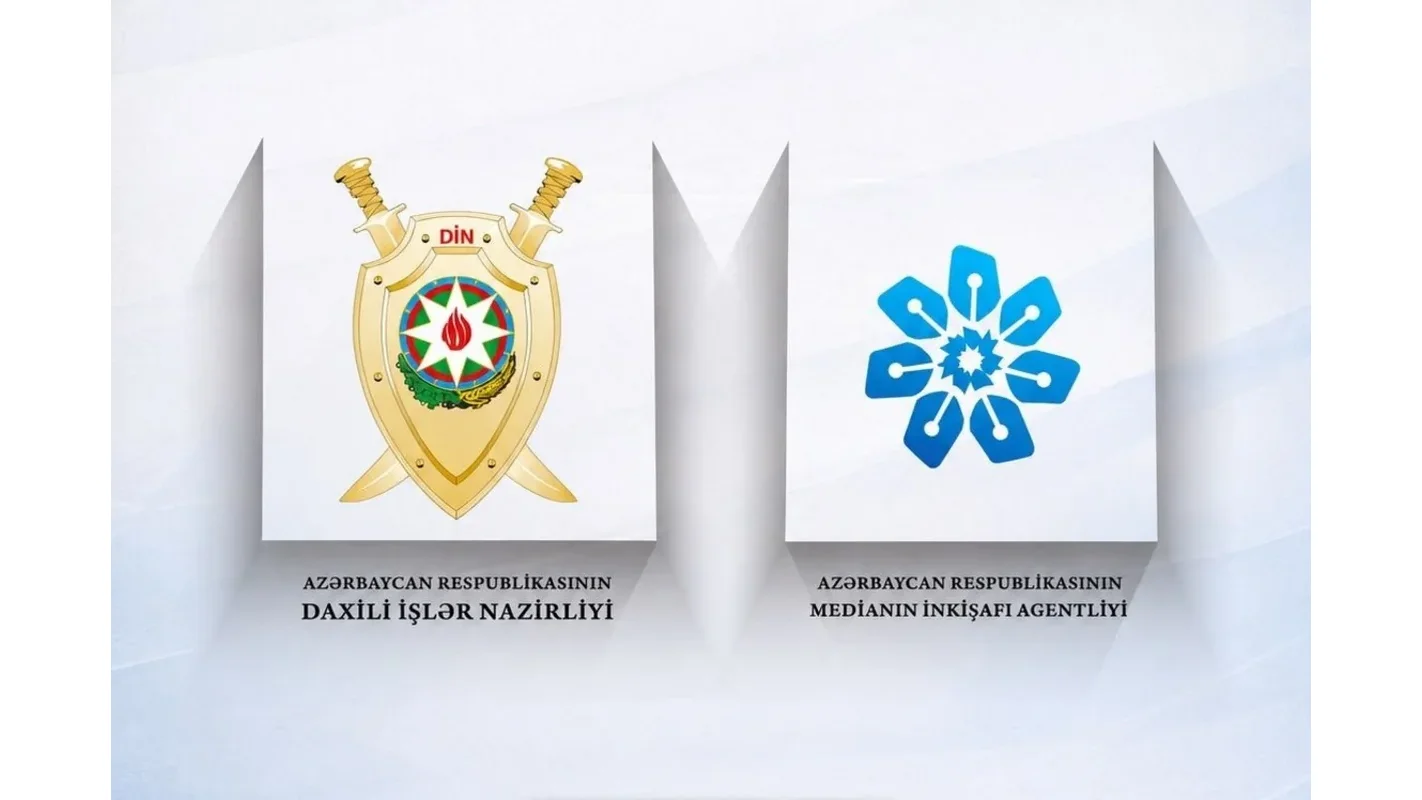
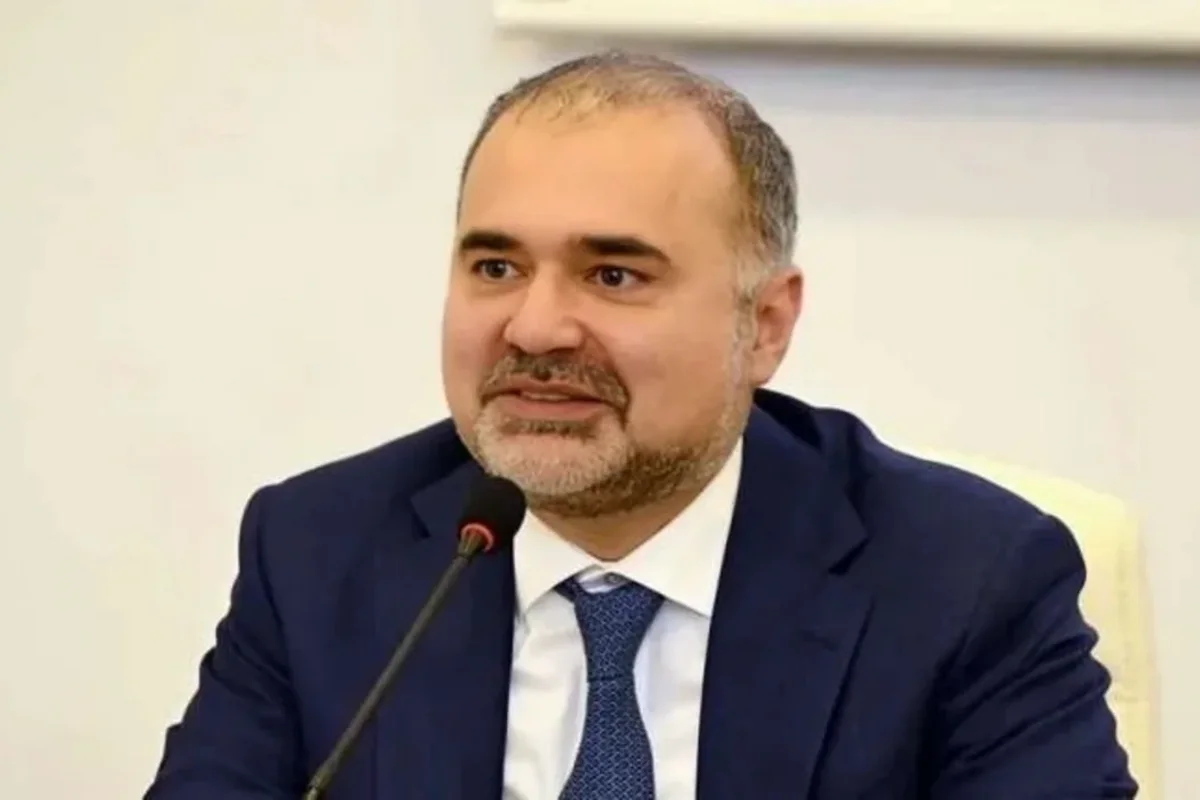
The Media and Broadcasting Council, established on the basis of the Media Development Agency and the Audiovisual Council, will serve as the authorized state body for media and broadcasting in the Republic of Azerbaijan.
According to the Operative Information Center-OMM, this development follows a decree signed by President Ilham Aliyev regarding amendments to the Law on Media, which outlines the expanded rights and responsibilities of the new body.
The establishment of the Media and Broadcasting Council represents a strategic consolidation of state regulation in the media sector. By merging the functions of the Media Development Agency and the Audiovisual Council, the government aims to streamline oversight, enhance the professional standards of journalism, and create a more robust framework for addressing modern challenges such as disinformation and digital content management. This move is part of broader efforts to strengthen the information security of the state and society.
The Media and Broadcasting Council has been granted the following rights:
- taking measures to strengthen the economic independence of media entities;
- implementing measures to expand and strengthen cooperation between state bodies and media entities, improving relations and increasing mutual trust;
- conducting training, seminars, and competitions to improve the professionalism and responsibility of journalists and media specialists;
- commissioning and ensuring the broadcast of programs aimed at public education, promoting social norms, and drawing attention to current societal issues;
- acting as a state client for the production and broadcasting of audiovisual products and organizing competitions for this purpose;
- taking measures to ensure fair, balanced, objective, and impartial coverage of events and state policy, ensuring adherence to professional ethics, and safeguarding the information security of citizens, society, and the state;
- organizing projects significant for the state and society aimed at the development and economic independence of media entities, including holding competitions;
- approving competition rules;
- taking measures to stimulate the application of new information-communication technologies and innovations in the media sector;
- taking measures to prevent, detect, assess, and eliminate the spread of disinformation;
- establishing and ensuring the operation of operational coordination mechanisms with relevant state bodies to reduce the risks and minimize the consequences of disinformation;
- conducting analyses of media activities and organizing public opinion studies;
- studying public opinion, development dynamics between the state and society, and identifying issues of public importance based on information environment analysis and sociological surveys;
- analyzing digital content in media and social network platforms and taking appropriate measures based on the results;
- applying to relevant authorities for measures when media entities fail to meet legal requirements;
- forming and maintaining the Media Registry, and controlling its use and data protection;
- issuing Media Registry certificates to registered media entities and journalist cards to journalists.
The new body will also be tasked with the following duties:
- issuing special bulletins and other publications;
- conducting research on adherence to professional (ethical) conduct rules in the media and preparing recommendations;
- commissioning social advertisements in accordance with the Law on Advertising;
- commissioning physical and legal entities to conduct analyses, surveys, and prepare reports, opinions, and proposals;
- participating in and organizing international events, including forums, conferences, and exhibitions;
- exercising rights over state property provided for its use in accordance with normative legal acts;
- exercising rights in courts regarding matters within its competence as provided by procedural legislation;
- organizing procurement in accordance with the Law of the Republic of Azerbaijan on Public Procurement;
- providing proposals for the creation, reorganization, and liquidation of subordinate entities not included in its structure.
The chairman and members of the Council will be appointed and dismissed by the body determined by the relevant executive authority. Council members will elect 2 (two) deputy chairmen from among themselves by a simple majority vote.