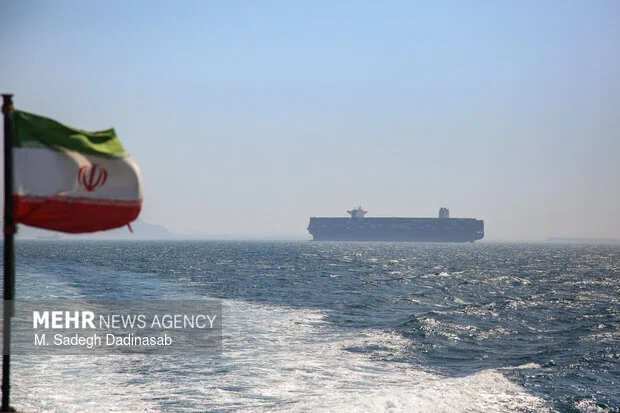
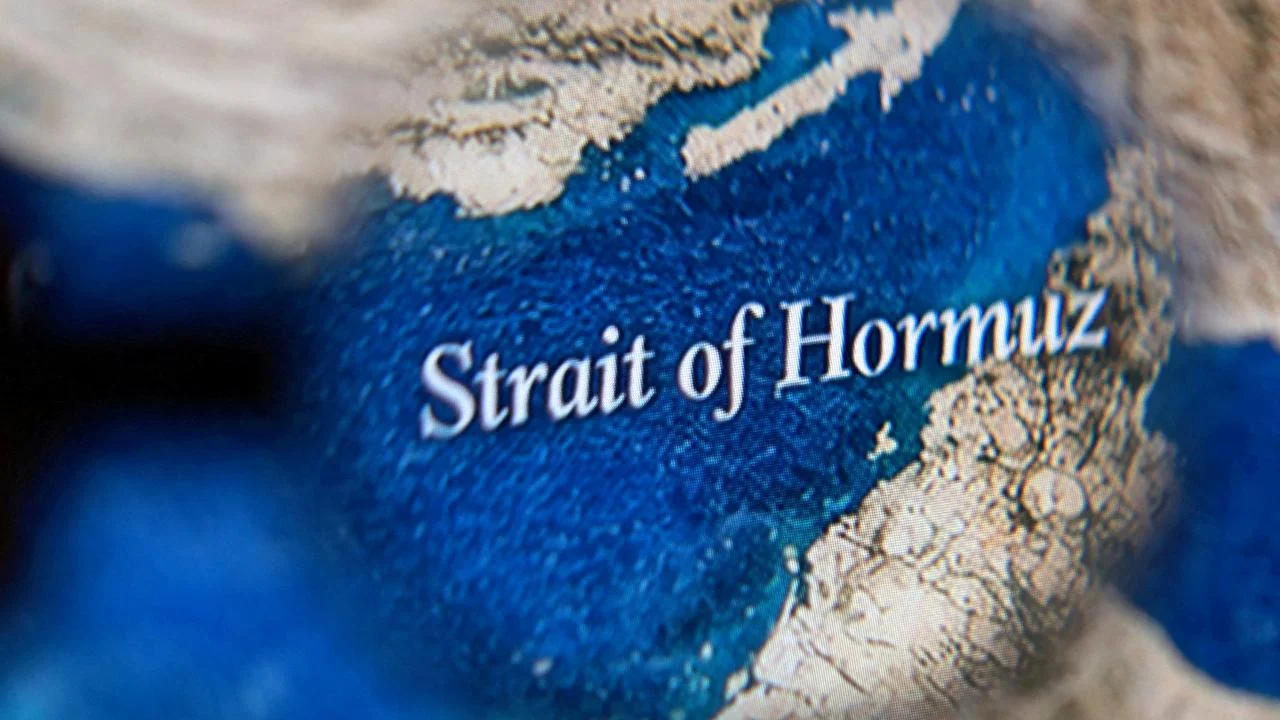
Iran and Oman are reportedly nearing an agreement to regulate shipping traffic through the Strait of Hormuz, a critical maritime chokepoint for global energy supplies.
According to the Operative Information Center-OMM, which cited reports from The New York Times (NYT) referencing Iranian and American officials, the two nations are working to redefine navigation rules within the strait. The proposed framework suggests that vessels entering the Persian Gulf would travel along the Iranian coast, while those exiting the gulf would navigate along the Omani coastline.
A central component of the potential agreement involves the implementation of a "service fee" for transit through the strait. Iranian officials have stated that these funds would be allocated to cover environmental costs, ensure the security of cargo ships and tankers, and cover personnel salaries. The proposal reportedly envisions an equal distribution of the generated revenue between Iran and Oman.
However, the initiative has met with skepticism from Washington. A US official indicated that the information presented by Iran does not fully reflect reality, emphasizing that transit through the Strait of Hormuz does not require Iranian authorization, nor is any such fee legally recognized under international maritime law.
The Strait of Hormuz is one of the world's most important oil transit chokepoints, with a significant portion of global petroleum production passing through its narrow waters daily. Previous reports from the Financial Times also suggested that Tehran and Muscat were close to finalizing an agreement. Analysts note that while such a deal could theoretically serve as a mechanism to reduce regional tensions, it faces significant geopolitical hurdles given the conflicting positions of Iran and the United States regarding maritime navigation rights in international waters.