Afət Ziyadqızı

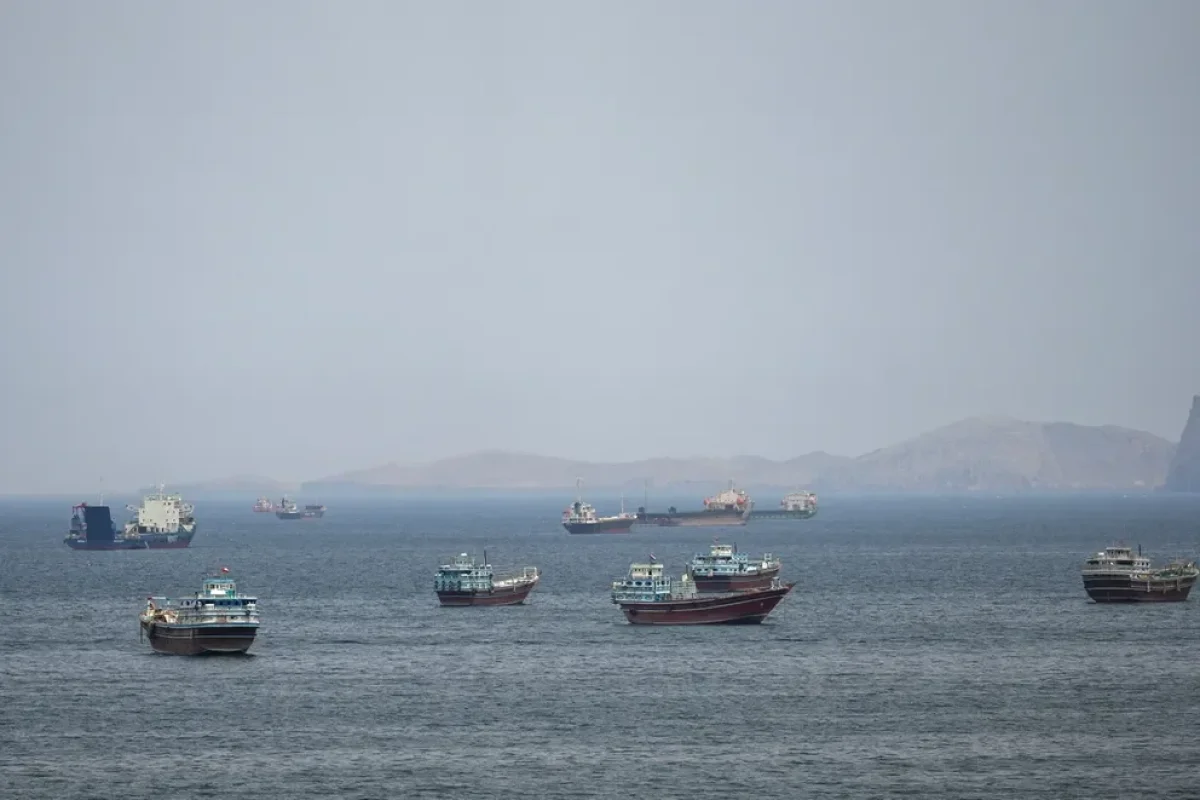
Iran and Oman have held the inaugural meeting of a joint committee aimed at discussing the future management of the Strait of Hormuz.
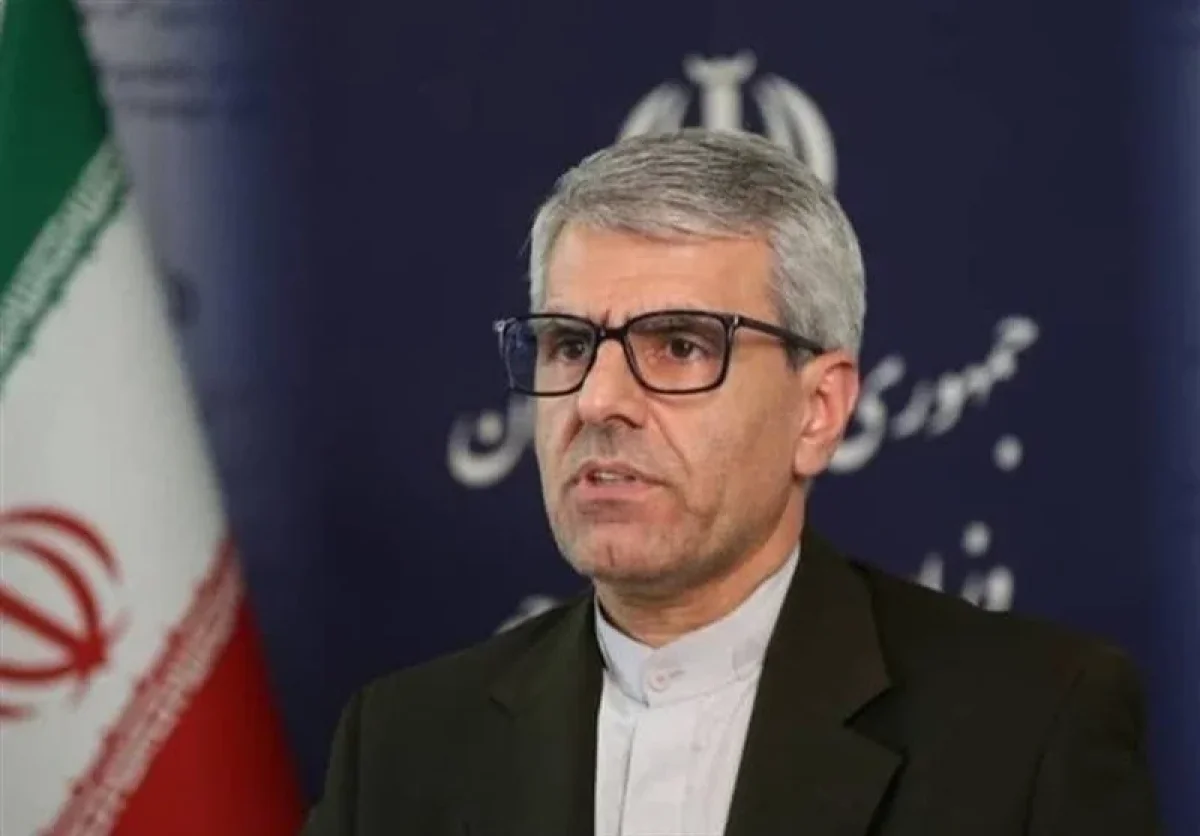
According to the Operative Information Center-OMM, this development was confirmed by Kazem Gharibabadi, Iran's Deputy Foreign Minister for Legal and International Affairs. In a post on the X social media platform, Gharibabadi stated that the first session of the Hormuz Committee took place in Muscat, co-chaired by Oman's special envoy, Abdulaziz Al-Hinai.
The parties reviewed the current situation in the Strait of Hormuz and exchanged views on its future administration, operating within the framework of Article 5 of the "Islamabad Memorandum of Understanding" and the sovereign rights of coastal states.
The memorandum stipulates that, under clause 5(a), Iran commits to ensuring the safe passage of commercial vessels between the Persian Gulf and the Sea of Oman for a period of 60 days without imposing any fees. The document also emphasizes the continuation of dialogue between Iran and Oman to define future administrative and maritime services for the strait, in accordance with international law.
Furthermore, Iranian officials addressed security concerns in the Strait of Hormuz against the backdrop of recent tensions with the United States. Kazem Gharibabadi emphasized that no agreement reached without Iran's participation could guarantee secure shipping in the waterway. Iranian Foreign Minister Abbas Araghchi added that, under the ceasefire agreement, the responsibility for opening the Strait of Hormuz lies with Iran, warning that external interference and alternative agreements could further complicate the situation.
The Strait of Hormuz is one of the world's most critical maritime chokepoints, serving as a vital artery for global energy supplies. Approximately one-fifth of the world's oil consumption passes through this narrow waterway, making its stability a primary concern for international energy markets and global security. The formation of this joint committee reflects ongoing efforts by regional powers to assert influence over maritime governance and ensure the security of transit routes amidst broader geopolitical shifts in the Middle East.