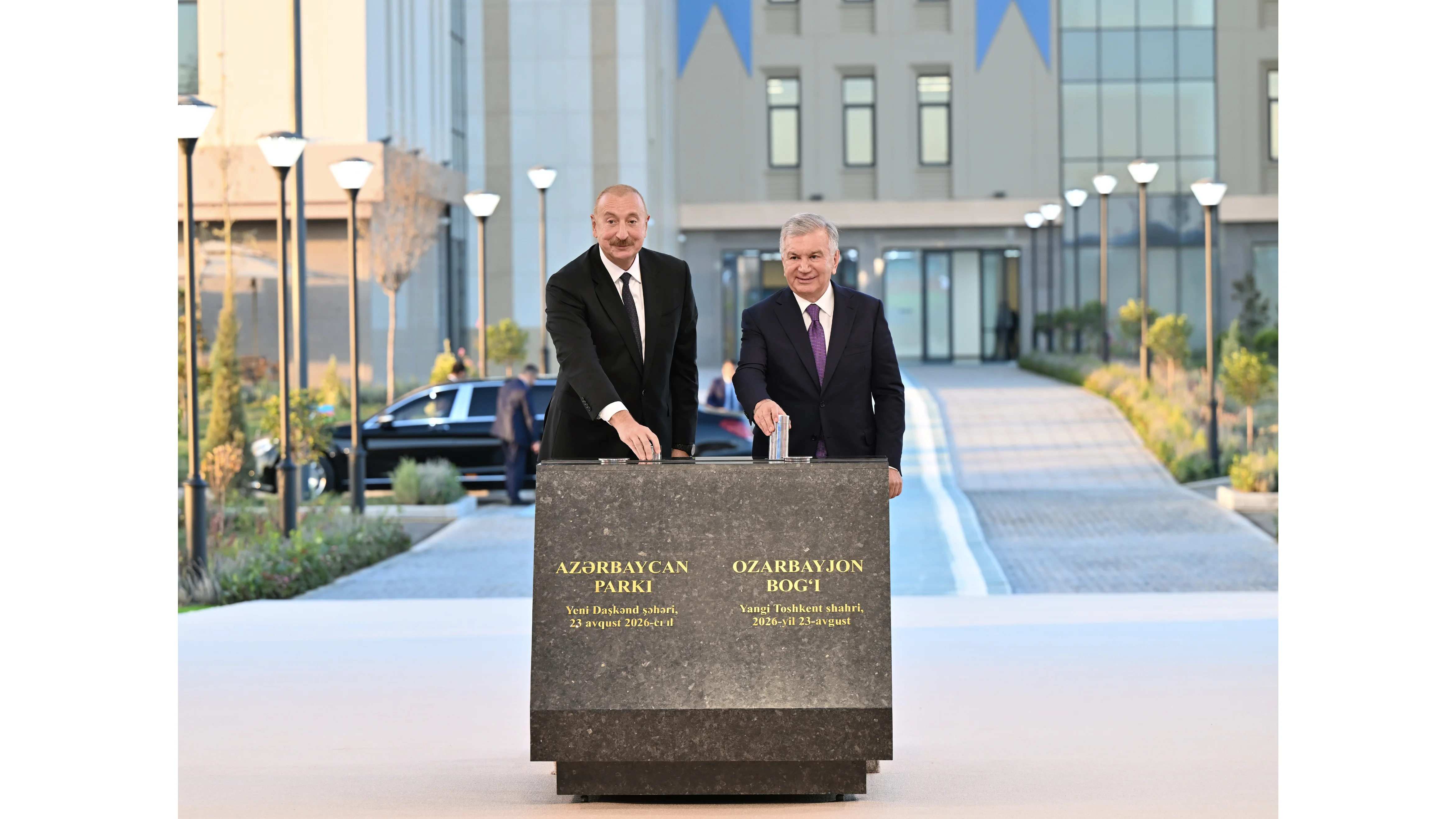
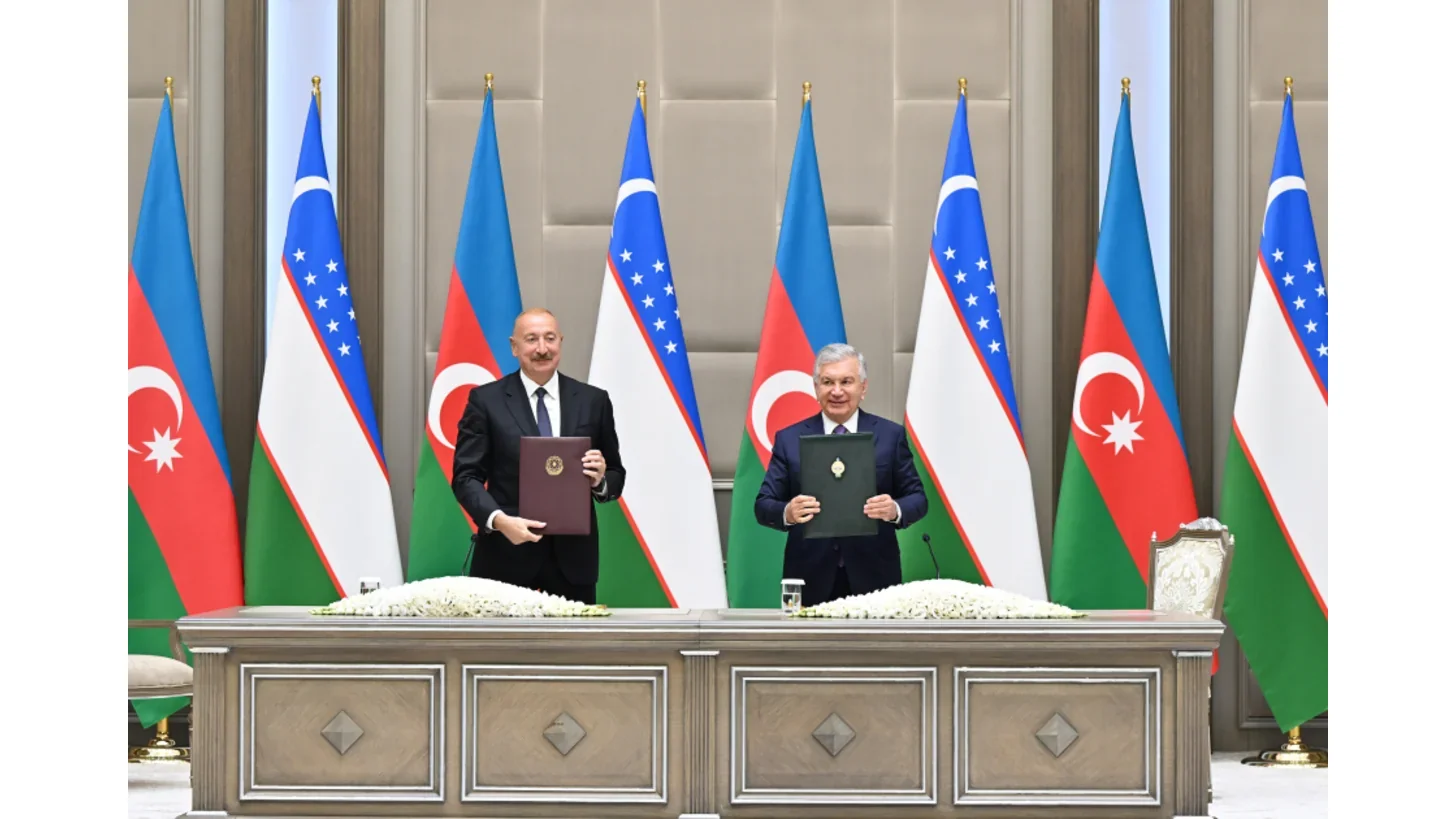
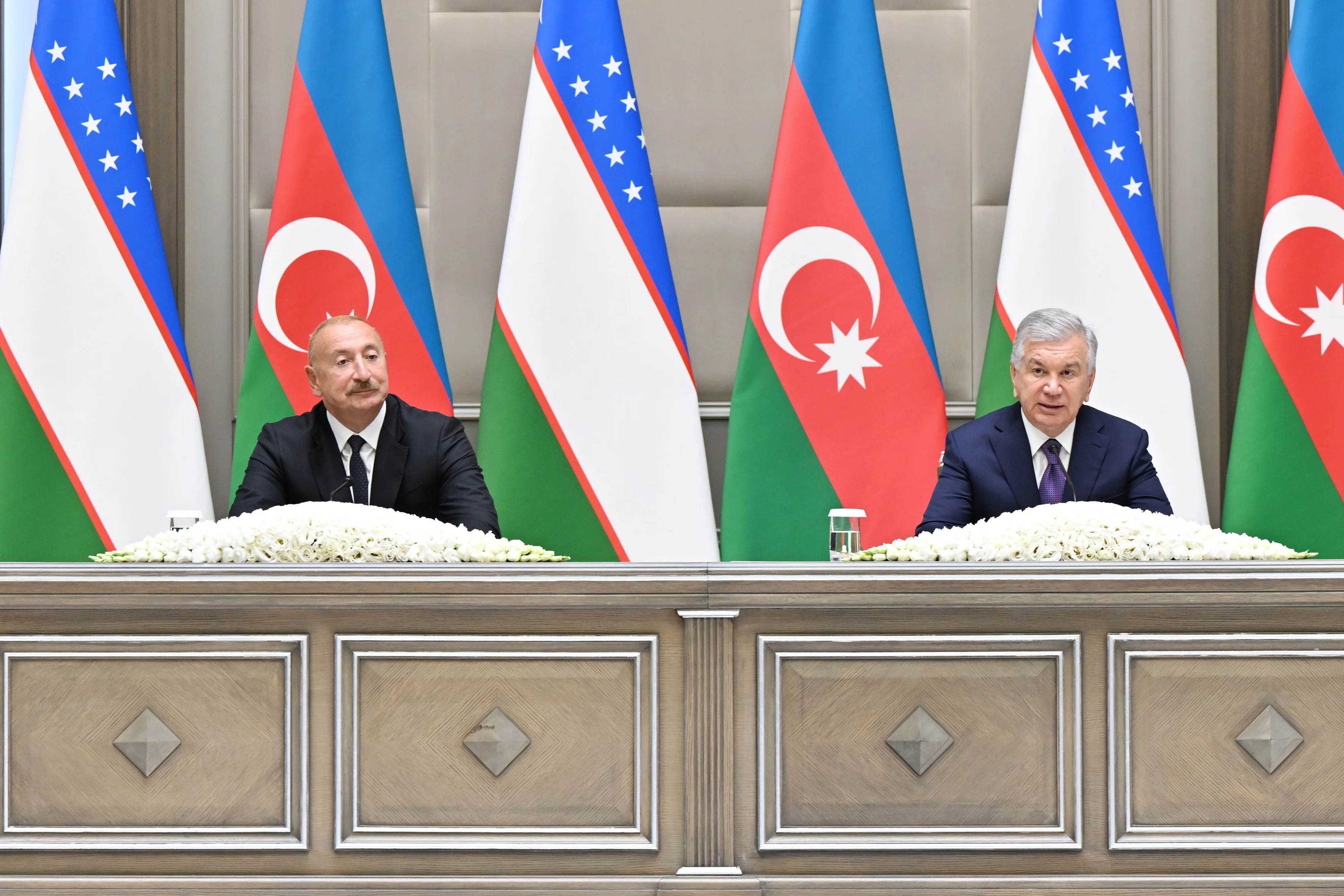
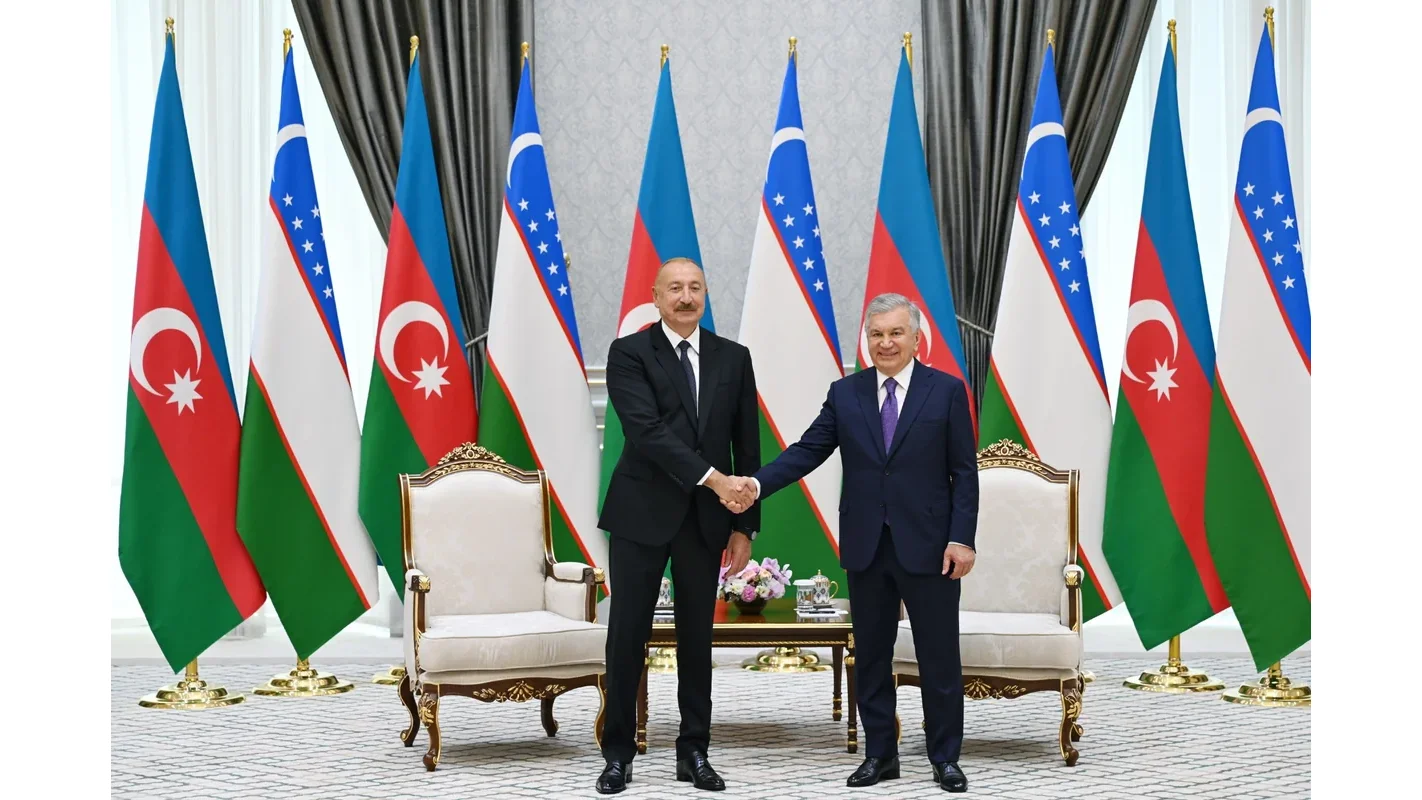
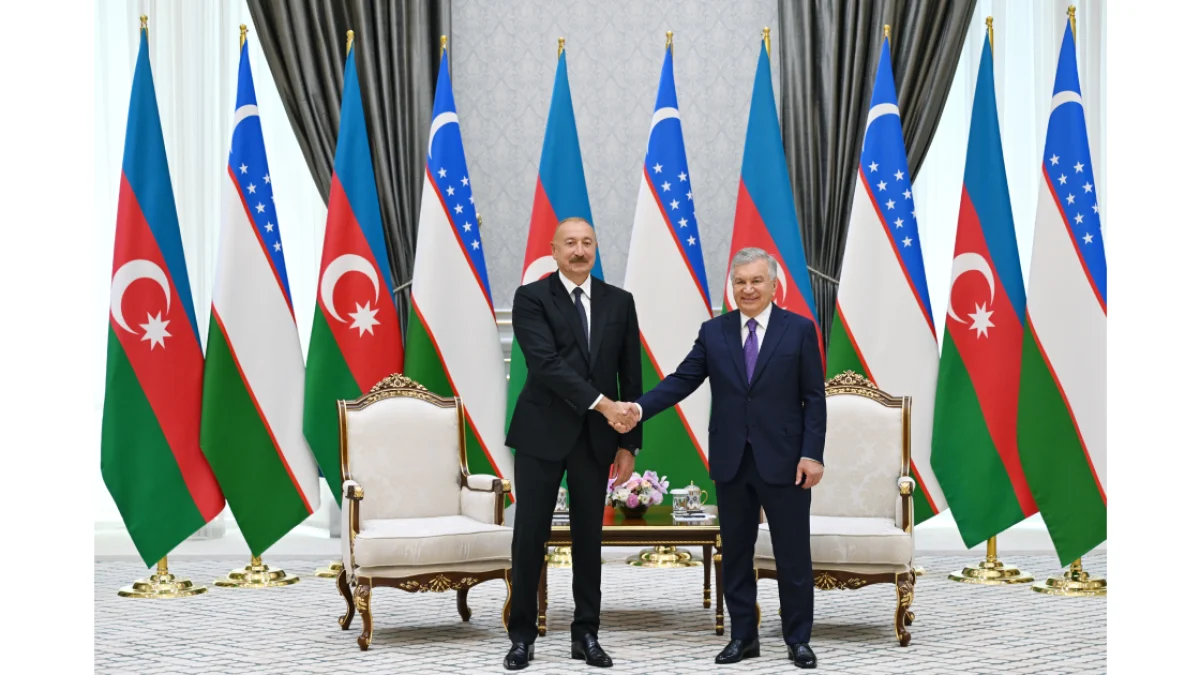
On August 23, President Ilham Aliyev reviewed the “New Tashkent” project, which stands as the largest urban development initiative in Uzbekistan.
According to the Operative Information Center-OMM, the project represents a comprehensive urban planning model that integrates the national economy, investment policy, transport systems, education, ecology, and digital technologies into a unified space. Upon completion, the project is expected to generate over 260,000 new jobs. Currently, more than 10,000 workers are engaged at the construction sites. A key innovative feature of “New Tashkent” is the implementation of trigeneration technology, which manages electricity production, heating, and cooling processes within a single technological chain.
The development includes modern administrative buildings for over 60 state institutions, hotels, restaurants, service centers, business complexes, and tourism facilities. Educational and cultural infrastructure is also a priority, with the construction of the “New Uzbekistan” University, a new complex for the National Library of Uzbekistan, scientific laboratories, multimedia centers, museums, sports facilities, and a student campus. Additionally, the 95-hectare “Eastern Spring” complex, which is part of the broader project, is set to become one of Central Asia's largest residential developments, with plans for approximately 15,000 apartments.
The “New Tashkent” project reflects the ongoing modernization efforts in Uzbekistan, aiming to alleviate population density in the existing capital while fostering sustainable urban growth. Such large-scale infrastructure projects are increasingly common in Central Asia as nations seek to diversify their economies and attract foreign investment through smart city concepts and green energy integration.