 OMM Redaksiyası

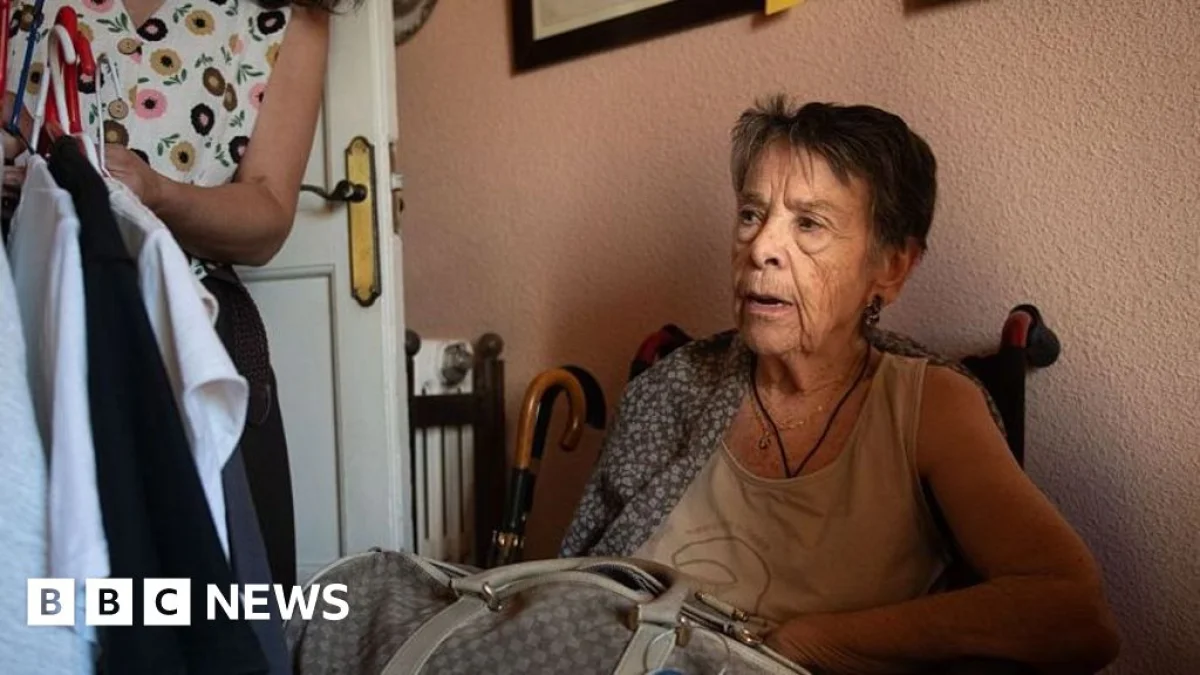
An 87-year-old disabled woman whose eviction became a symbol of Spain’s housing crisis will be able to return to her Madrid home under a new rental agreement, her lawyer said.
Maricarmen Abascal was forcibly removed on a stretcher from the apartment where she had lived for more than 70 years on 23 September. She was taken to hospital after the eviction, according to reports.
Her lawyer, Beatriz Duro, said at a news conference that there had been “goodwill from both parties” and that Abascal would pay a similar rent under a new contract, avoiding a substantial increase. The agreement has not yet been signed, according to the BBC.
Long-running rent dispute
Abascal’s father first rented the property in 1956. She remained the tenant after her parents died, benefiting from a rent cap that had been in place for years.
Investment firm Urbagestión, which bought the property in 2018, raised the monthly rent from €500 (£428; $572) to €2,650 (£2,280; $3,020).
The company later offered to reduce the rent to €1,650, but Abascal could not afford that amount on her monthly pension of €1,350. Three previous attempts to evict her had been blocked by the courts.
Duro said Abascal would sign the new agreement once she had recovered from exhaustion. The pensioner is currently receiving medical treatment.
Protests over Spain’s housing shortage
The case prompted protests across Spain. Tens of thousands of people marched through Madrid on Saturday, calling for stronger tenant protections amid a shortage of housing and rapidly rising rents.
Duro described the agreement as the “result of social mobilisation”. Supporters welcomed the development as a victory but said they would continue campaigning to prevent similar evictions and demand more affordable housing.
The Bank of Spain estimates that the country is short of 700,000 homes, based on the gap between housing demand and new construction.
Prime Minister Pedro Sanchez has promised housing relief measures when his cabinet meets on Tuesday. His Socialist Party, which does not hold a majority in Parliament, is seeking to pass legislation in response to public anger.