OMM Redaksiyası

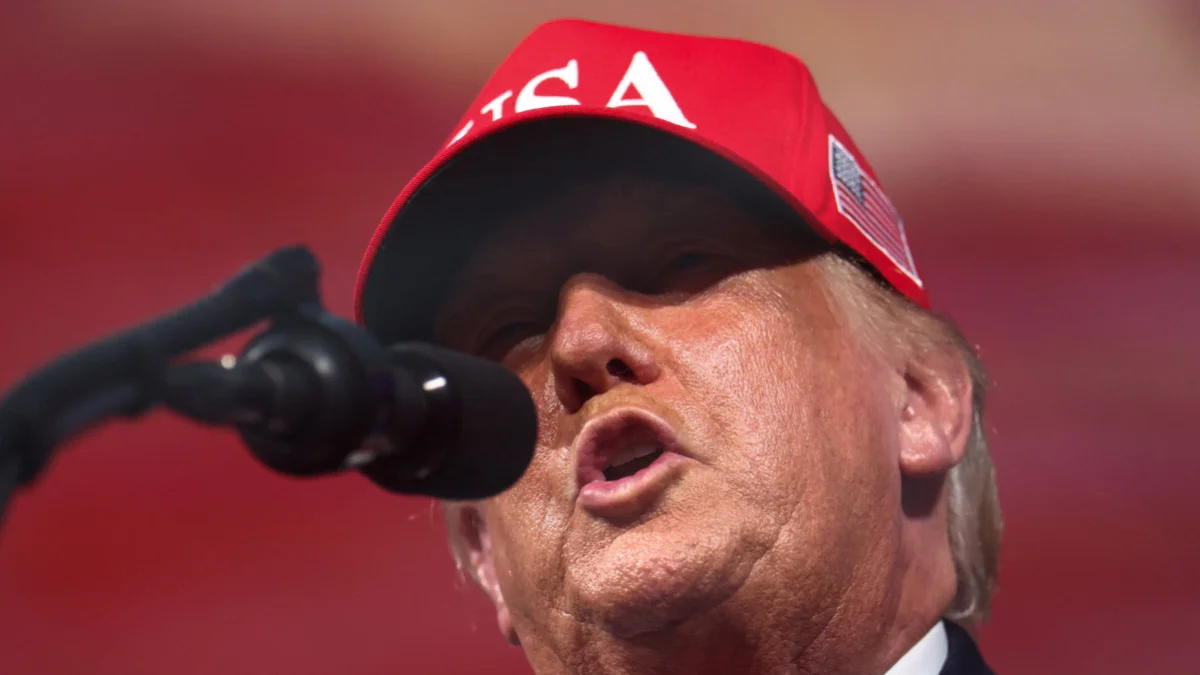
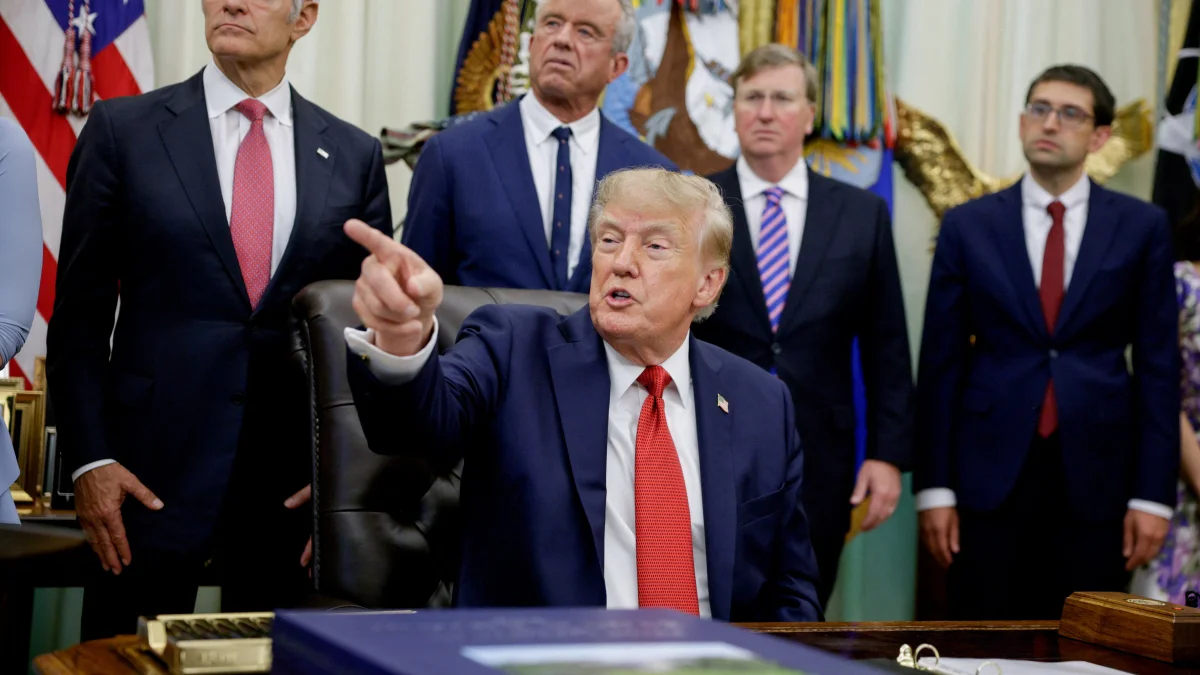
As US President Donald Trump prepares to host Chinese President Xi Jinping at the White House on Sept. 24, traders are watching not only the outcome of the meeting but also the future of the world’s major commodity markets.
The summit could provide signals on trade in soybeans, crude oil, liquefied natural gas (LNG) and rare earth metals. Agricultural products, energy and critical minerals have become key bargaining tools in the US-China trade dispute.
Increased purchases, lower tariffs or eased export restrictions could affect global supply chains and prices. At the same time, markets will assess whether pledges made in Washington will result in actual deliveries.
Soybeans offer the easiest path to a US-China deal
China is the world’s largest soybean importer, while the United States has traditionally been among its main suppliers.
Soybean trade is therefore one of the areas where any agreement could produce relatively quick and measurable results. However, the scale and timing of purchases would depend on commercial demand, prices and the implementation of any political commitments.