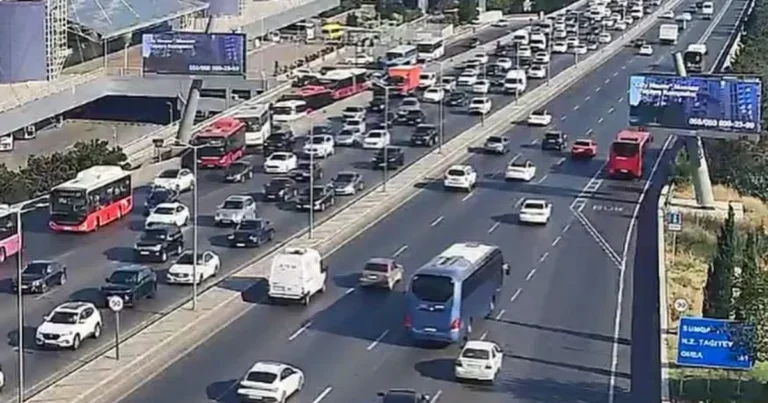
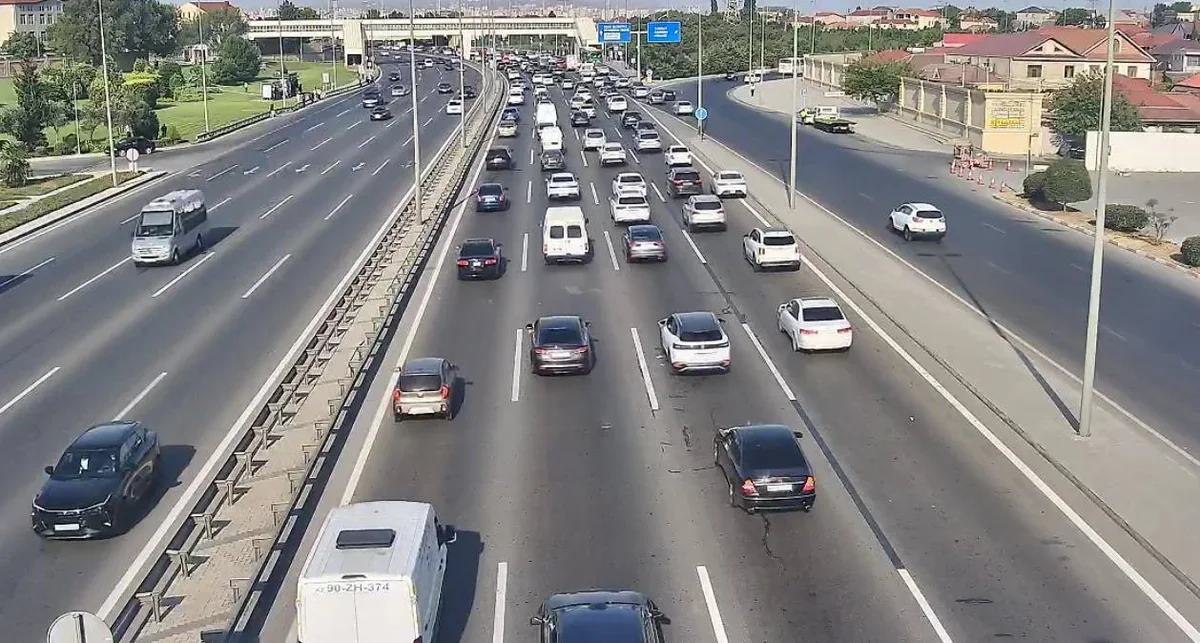
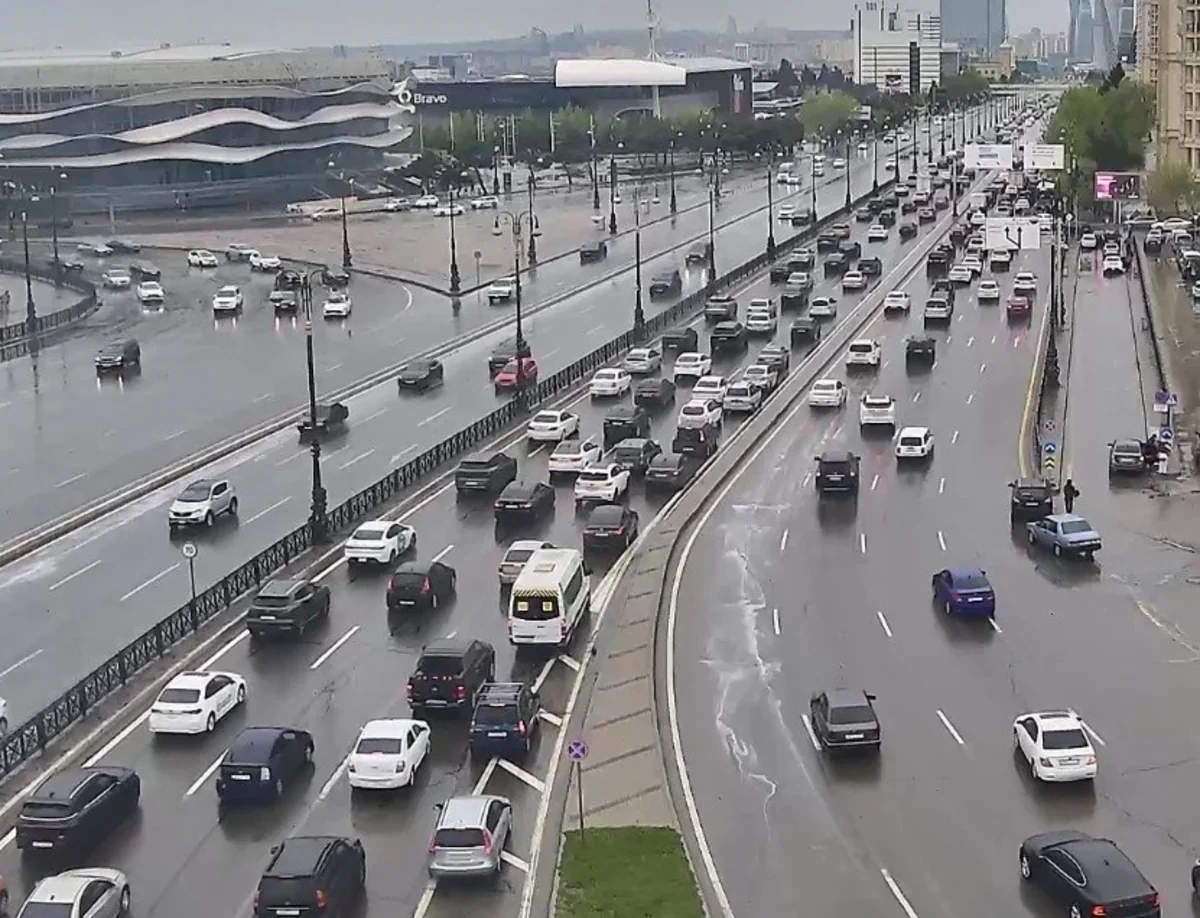
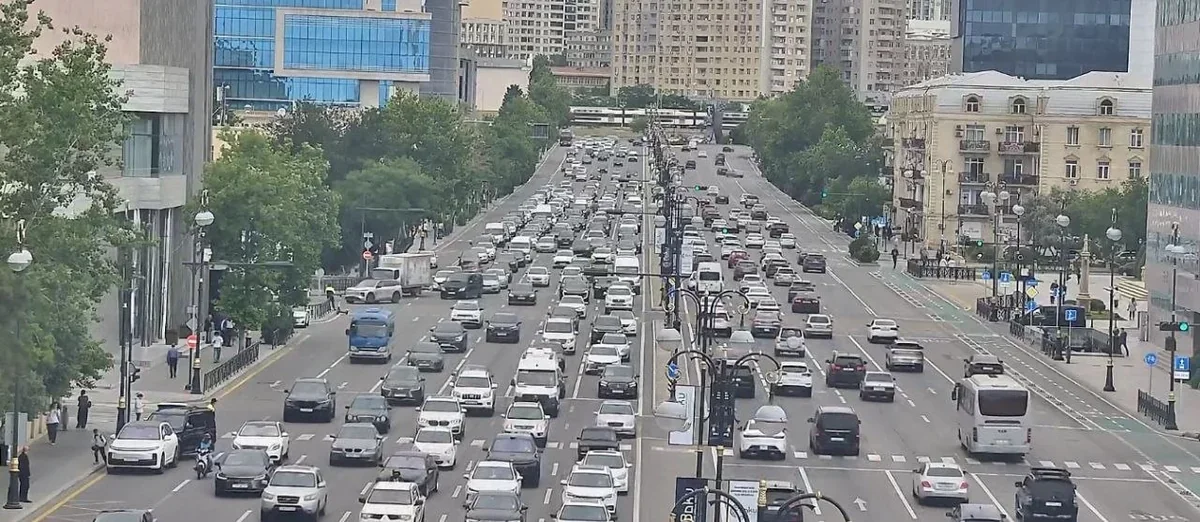
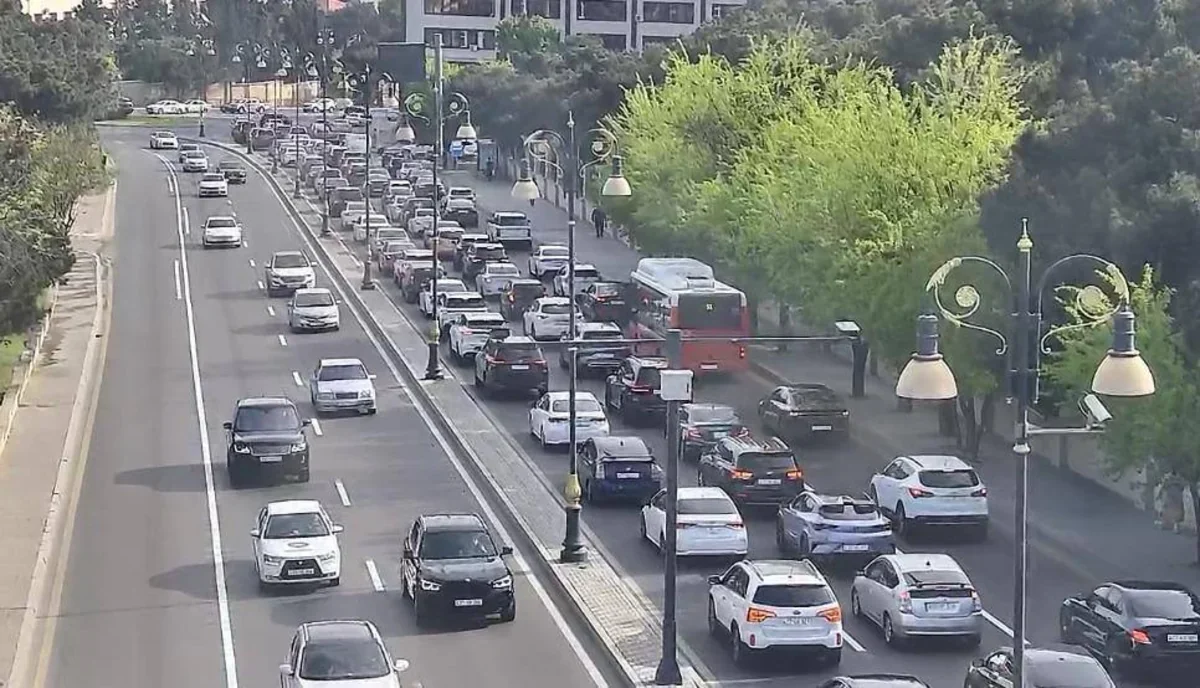
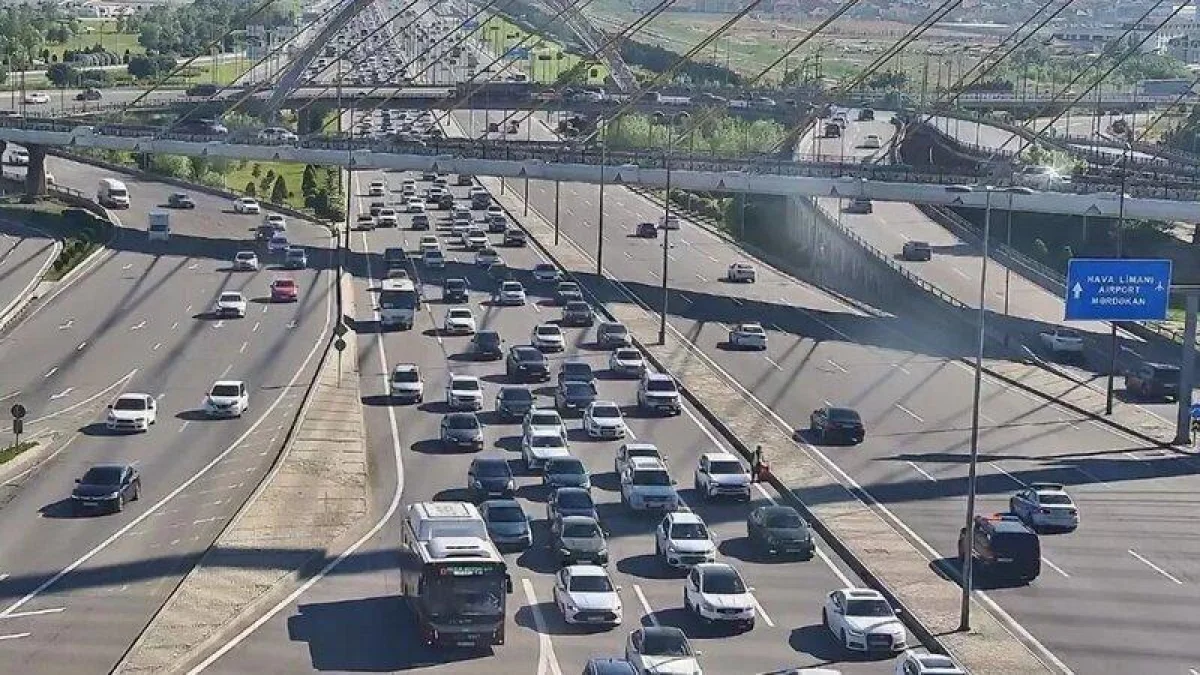
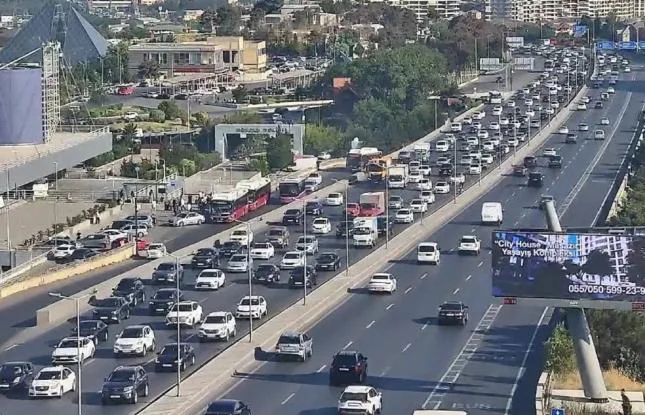
Significant traffic congestion is currently being observed on several major roads and avenues in Baku at the start of the work week.
The Intellectual Transport Management Center (NIIM) has released official data regarding the current situation on the capital's road network, Operative Information Center-OMM reports. According to the center, heavy traffic flow and delays are primarily concentrated on the main arteries leading toward the city center and key metro stations.
The current traffic situation is reported as follows:
- Baku-Sumgait highway, in the direction of the "20 January" metro station;
- Ali Mustafayev Street, heading toward Ziya Bunyadov Avenue;
- Tbilisi Avenue, from the "20 January" metro station toward the city center;
- Babek Avenue, in the direction of the center;
- Ziya Bunyadov Avenue, from the intersection with Muzaffar Narimanov Street toward the "20 January" metro station;
- Binagadi highway, in the direction of the "Azadliq Avenue" metro station;
- 1st Gol Kanari road, toward Ziya Bunyadov Avenue;
- Mikayil Mushfiq Street, from the "Badamdar" circle toward School-Lyceum No. 20;
- Yusif Safarov Street, in the direction of the center;
- Rashid Behbudov Street, toward the Central Bank;
- Uzeyir Hajibeyli Street, up to the intersection with Azadliq Avenue;
- 28 May Street, from the intersection with Pushkin Street to the intersection with Rashid Behbudov Street;
- Heydar Aliyev Avenue, both main and auxiliary roads, in the direction of the center;
- Koroglu Rahimov Street, from the intersection with Academic Hasan Aliyev Street toward Heydar Aliyev Avenue;
- Khatai Avenue, in the direction of Heydar Aliyev Avenue;
- Abdulvahab Salamzade Street, toward Ziya Bunyadov Avenue;
- Airport highway, in the direction of the "Koroglu" metro station.
Traffic congestion in Azerbaijan's capital often intensifies during morning rush hours as residents commute from suburban areas and Sumgait into the central business districts. The Intellectual Transport Management Center monitors these flows in real-time to optimize signal timings and provide updates to motorists to improve urban mobility and reduce transit times across the metropolitan area.