OMM Redaksiyası

A United Nations human rights expert has concluded that US attacks on suspected drug-trafficking boats in the Caribbean Sea and the Pacific Ocean violate international law and may amount to crimes against humanity, according to Al Jazeera.
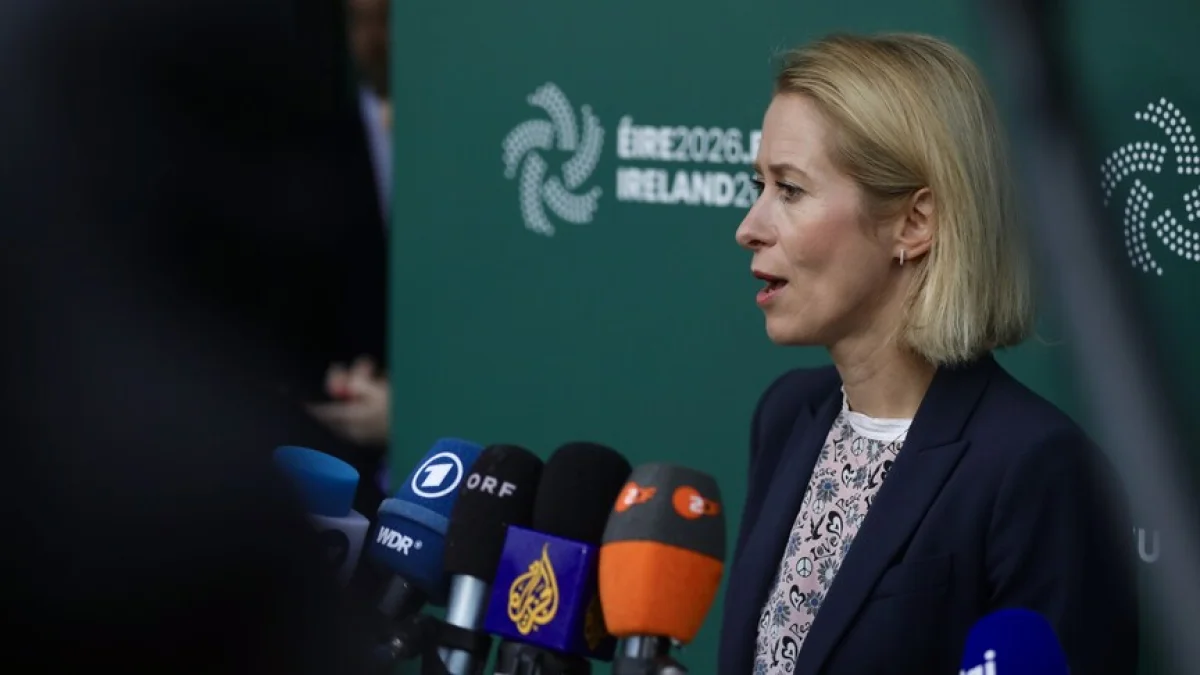
In a report published on Monday, Ben Saul, the UN special rapporteur on human rights and counterterrorism, said US forces had struck 68 vessels in international waters between September 2025 and August 2026, killing at least 223 people.
Report challenges US self-defence justification
The United States has defended the strikes as acts of self-defence against “narco-terrorists”. President Donald Trump has also told Congress that the operations reflect an armed conflict with organisations designated as terrorist groups.
Saul’s report rejected that argument, saying the attacks were “contrary to international law, violate the human right to life, and plausibly constitute crimes against humanity”.
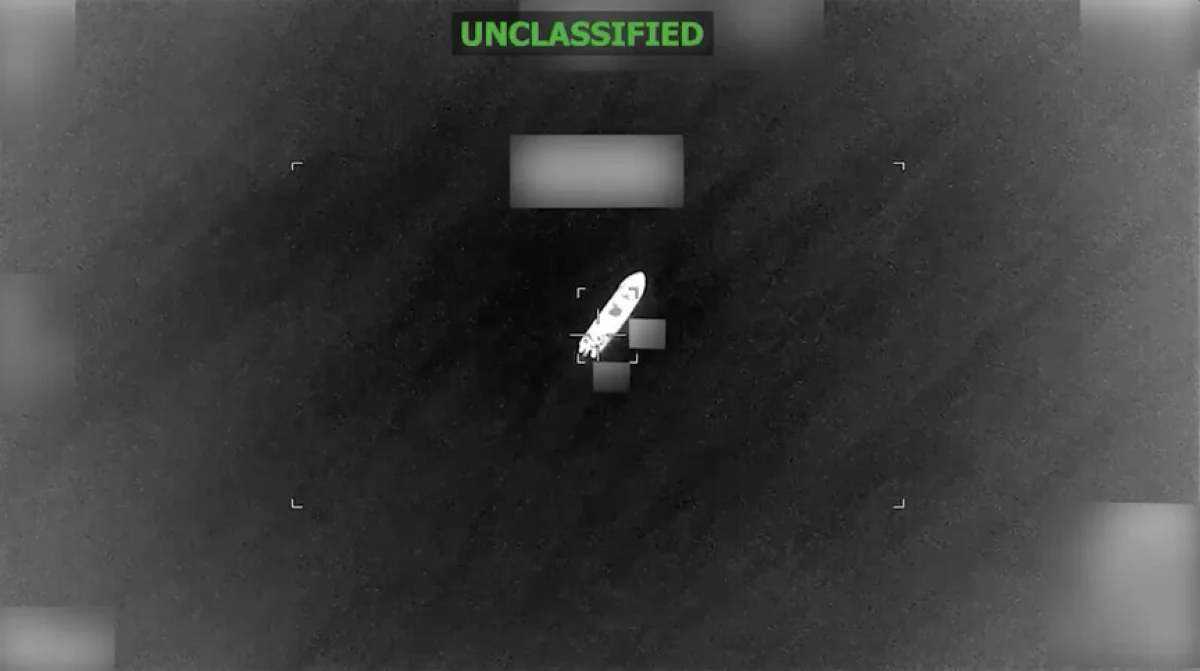
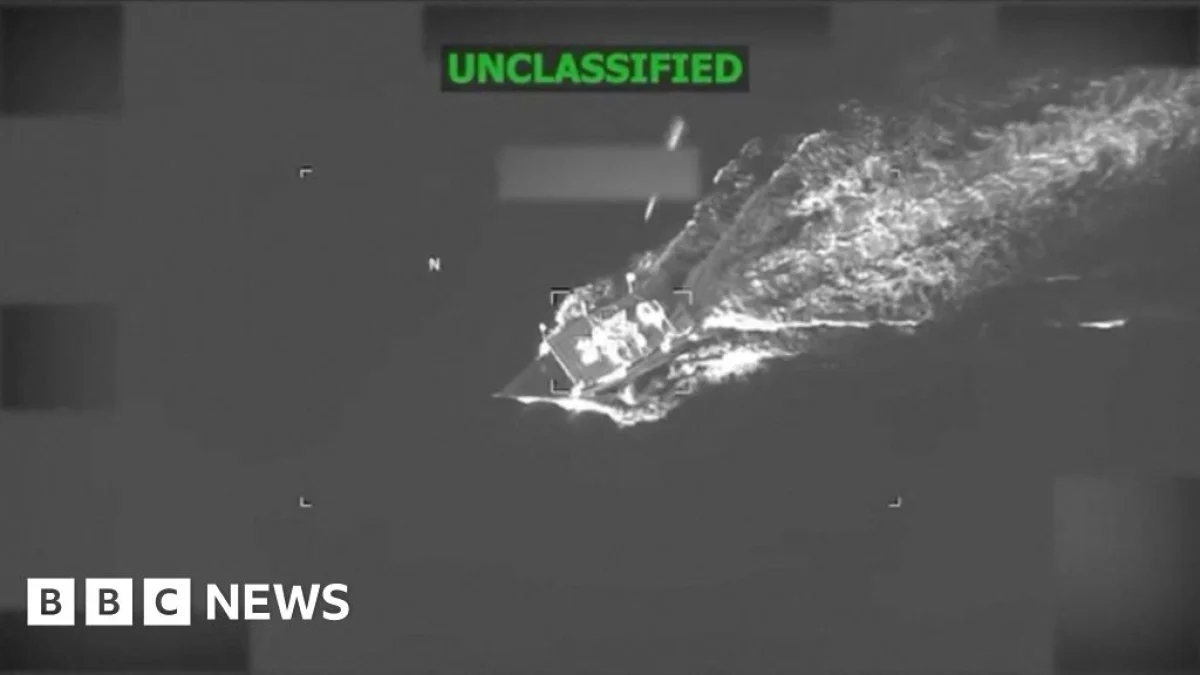
The findings were released two days after the US military said it had killed four people in a strike on a vessel in the Caribbean Sea. Human rights groups have condemned the campaign as extrajudicial killings.
The Pentagon has published videos of some strikes on social media but has provided limited information about those killed or the evidence linking them to drug trafficking.
UN expert says lethal force was not necessary
The report said drug trafficking did not meet the legal threshold of an “armed attack” that would permit the use of force in self-defence. It added that there appeared to be no factual basis for claims that some US-designated terrorist groups, including Tren de Aragua, were acting as armed proxies of the Venezuelan state.
Saul said less-lethal alternatives, including intercepting vessels at sea, were available. The report noted that US Secretary of State Marco Rubio had acknowledged that such operations were feasible.
According to the report, the strikes also breached the International Covenant on Civil and Political Rights, which permits lethal force only as a last resort against an imminent threat.
It said the killings could meet the legal definition of murder as a crime against humanity because they were carried out systematically under an organised state policy and affected a large number of people.
Questions raised over effectiveness and cost
Saul called on the United States to investigate the deaths, prosecute those responsible—including political and military leaders who ordered the strikes—and provide compensation to victims’ families.
The report also questioned whether the campaign had reduced drug trafficking to the United States. It said cocaine seizures at the US border had remained steady and noted that much of the region’s cocaine was transported in container ships, which were rarely inspected, rather than in the small boats targeted by the strikes.
It added that the operations had not addressed fentanyl and opioids, which are not typically transported by sea from Venezuela and remain the leading cause of overdose deaths in the United States.
The report said killing low-level suspects could undermine efforts to dismantle cartel networks and prosecute their leaders. It estimated that the military operations had cost $4.7 billion by mid-2026—funds that could instead have been directed towards law enforcement, public health and development programmes.