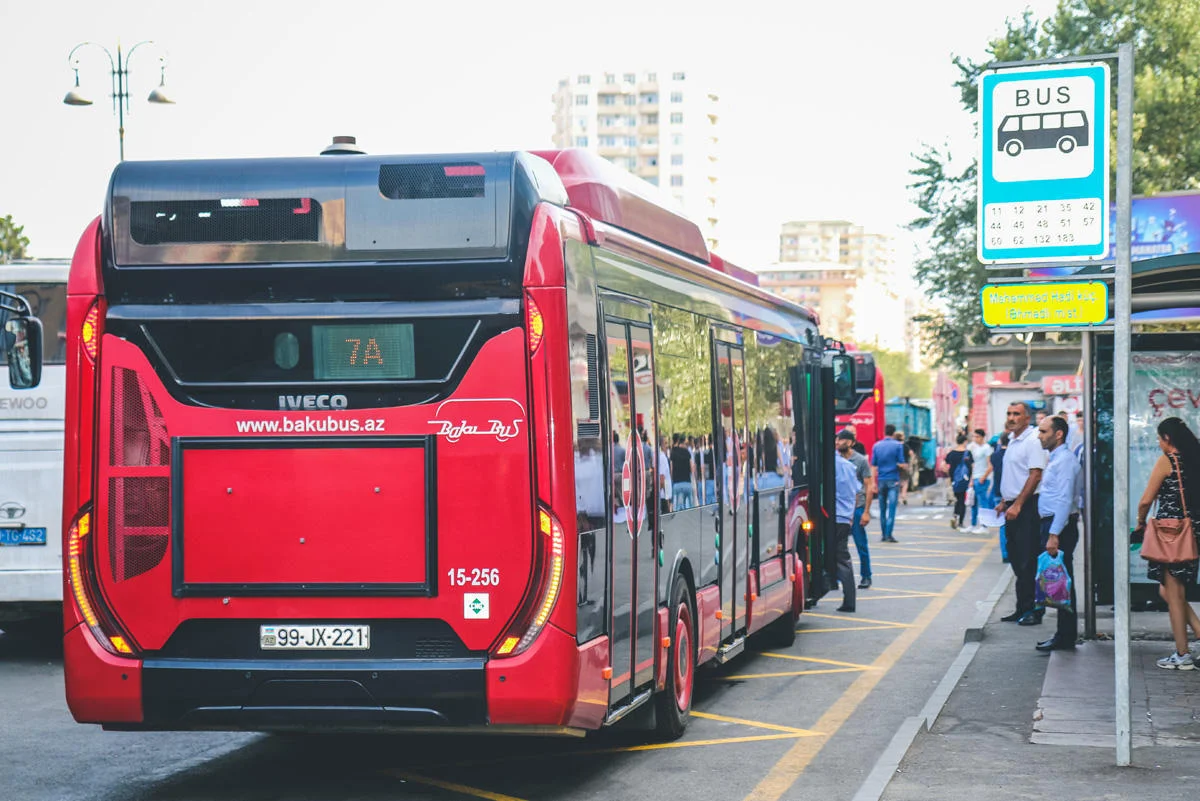
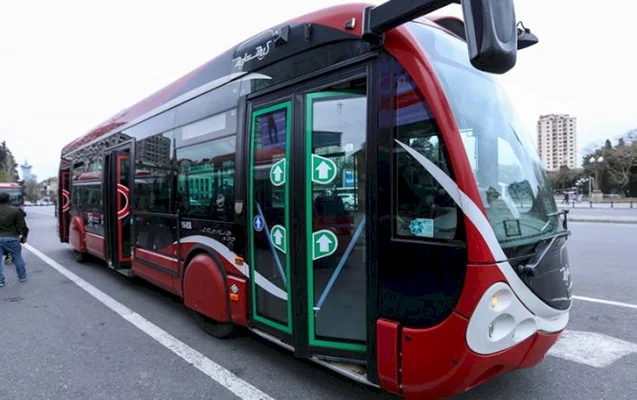
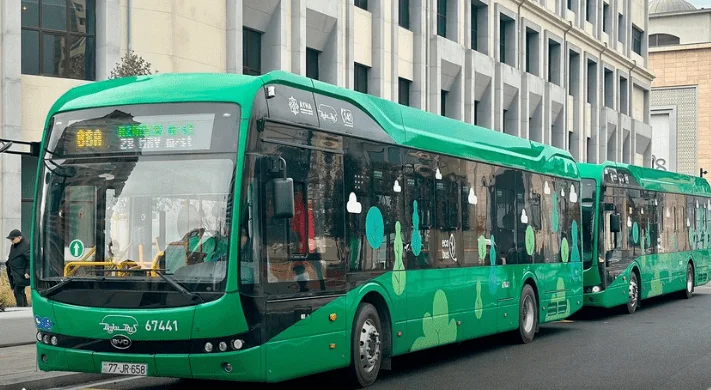
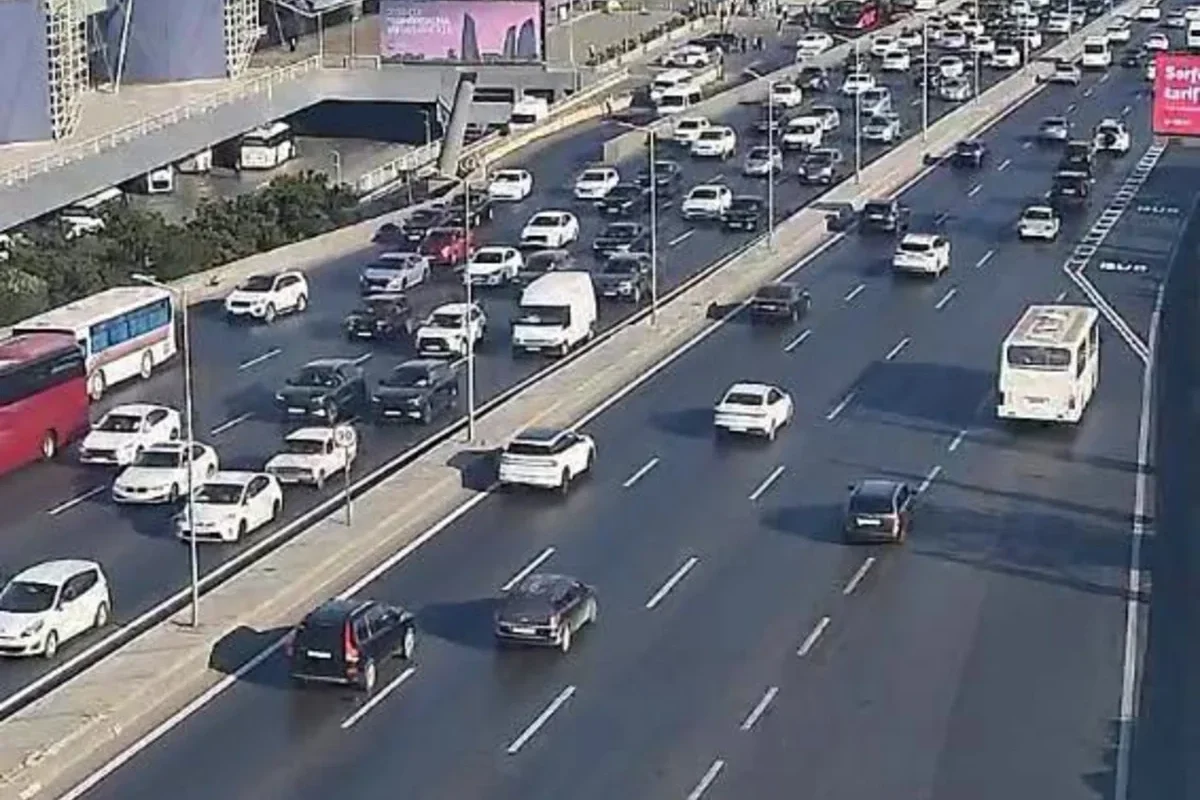
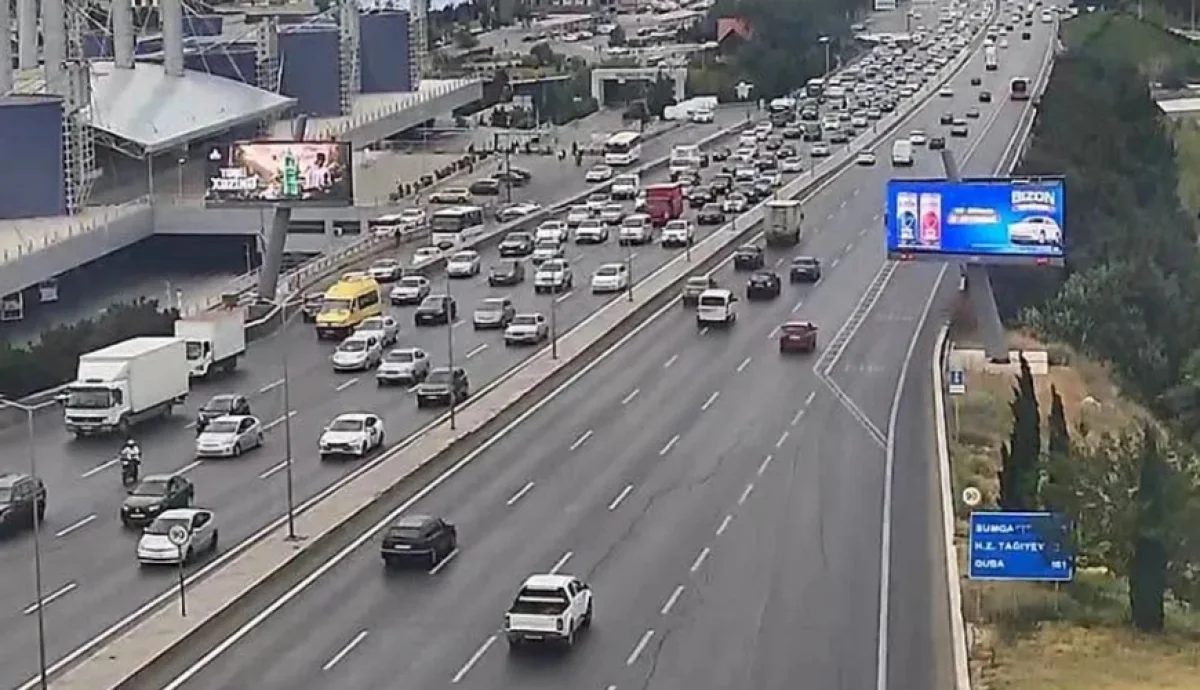
Azerbaijan aims to increase the number of buses in the capital to 3,000 by 2030 as part of a comprehensive transport reform strategy. According to Operative Information Center-OMM, this was announced by Minister of Digital Development and Transport Rashad Nabiyev during an event titled "Cities at the Center of Connectivity: Urban Reconstruction and Regional Cooperation," held within the framework of the 13th session of the World Urban Forum (WUF13) in Baku.
The Minister noted that when the project began, approximately 1,700 buses were operating in Baku. "Currently, their number has increased to 2,350. This process is carried out not only through state investments but also by attracting private capital. The market share ratio between state and private bus companies is approximately 50-50. This is one of the most serious issues in neighboring countries, where officials admit to making a significant mistake by not allowing the private sector into the market," Nabiyev stated.
Minister Nabiyev emphasized that the decision to grant the private sector market access decades ago was a visionary move for independent Azerbaijan. "By taking this step, we now have a mechanism to ensure comparative advantage and cost-effectiveness between private and state investments. Furthermore, by the end of this year, we will transition to a new scheme where, as a regulator, it will essentially not matter who carries the passengers. A system will be established where subsidies are provided based on the kilometers traveled by the buses. We call this the 'gross-cost contract' system, and its adoption is imminent," the Minister added.
The transition to a gross-cost contract model represents a significant shift in Azerbaijan's urban mobility management. Under this system, the government collects all fare revenue and pays operators a fixed fee based on service quality and distance covered, rather than passenger volume. This reform is expected to improve service reliability, encourage the modernization of the fleet with eco-friendly vehicles, and ensure higher safety standards across the capital's public transport network.