 OMM Redaksiyası

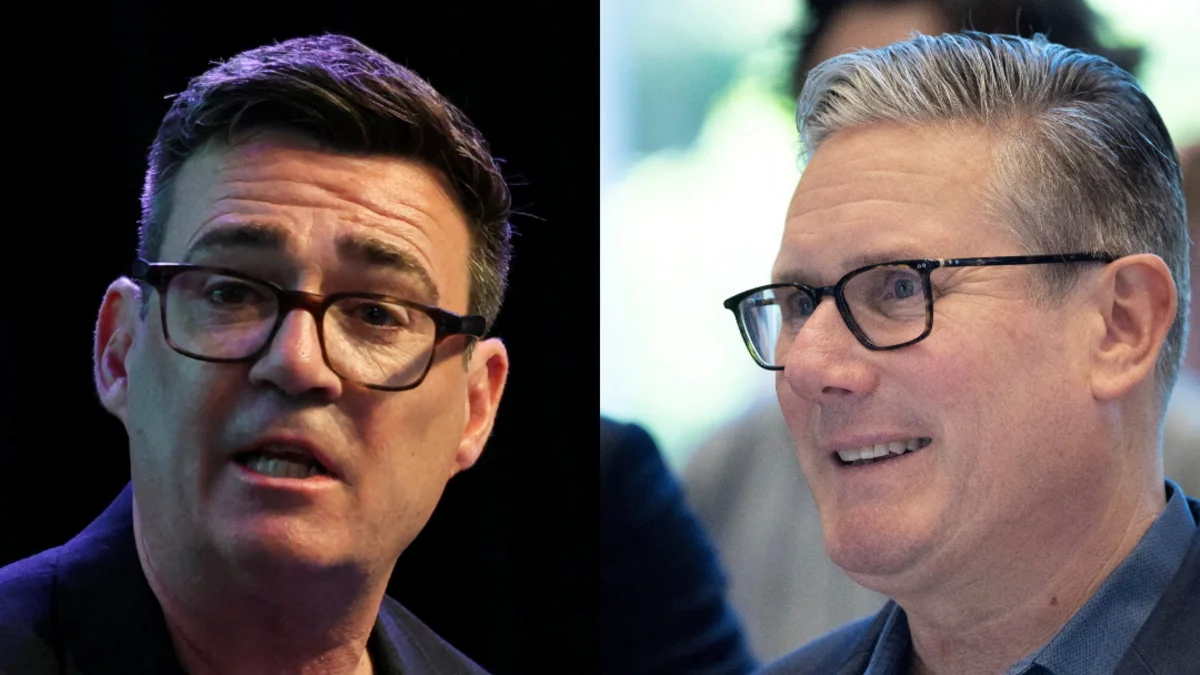
United Kingdom Prime Minister Keir Starmer has announced his resignation. Despite leading the Labour Party to a landslide victory just two years ago with promises to end the political chaos plaguing the country, Starmer has been unable to deliver the stability he pledged. The resignation follows significant setbacks in the May 2026 local elections and mounting criticism over persistent economic difficulties, making his departure from office inevitable.
Operative Information Center-OMM reports that British politics has faced severe challenges since the 2016 Brexit referendum. The frequent changes in the country's leadership during this period have been marked as one of the most turbulent phases in modern British political history:
- 2016 - David Cameron: Resigned following the outcome of the Brexit referendum.
- 2019 - Theresa May: Stepped down due to the deadlock in Brexit negotiations.
- 2022 - Boris Johnson: Forced to resign following scandals, including breaches of pandemic lockdown rules.
- 2022 - Liz Truss: Served for only six weeks before her economic policies led to her departure.
- 2024 - Rishi Sunak: Handed power to the Labour Party following the Conservatives' loss of popularity and the decision to call early elections.
What does the future hold?
According to reports, recent developments—particularly the entry of Mayor Andy Burnham into Parliament with significant support—are being viewed as the beginning of a new political era in the country. The British public is now preparing to determine the occupant of the Prime Minister's office for the seventh time in a decade, a process that underscores the ongoing volatility within the UK's parliamentary system.