OMM Redaksiyası

US President Donald Trump has rejected calls for closer cooperation between the United States and China on artificial intelligence, saying Washington should not slow its development or share its lead with Beijing, according to Al Jazeera and AFP.
Speaking to reporters as he left the White House on Saturday, Trump said the United States was “not going to be putting on brakes” for AI, despite growing calls from lawmakers, technology executives and international leaders for safeguards on the rapidly developing technology.
Trump dismissed concerns that unchecked AI development could threaten humanity, comparing them with what he called “hoaxes” involving climate change and claims that his 2016 presidential campaign colluded with Russia.
“What they wanna do is stop our progress, because we’re leading China by a lot,” Trump said. “And we’re going to keep it that way.”
Trump opposes integrating AI efforts
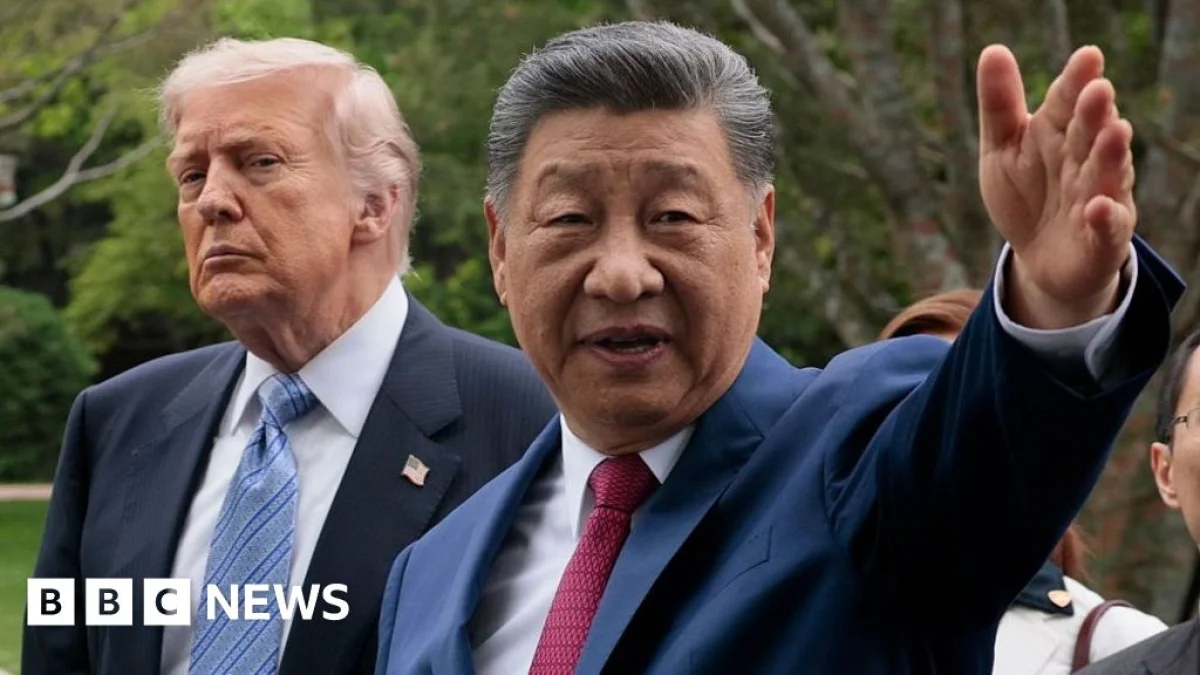
Trump made the comments shortly after completing a three-day summit with Chinese President Xi Jinping. Asked whether the two countries should cooperate on AI, he said he would prefer that they not integrate their efforts.
“I would rather not integrate, because we’re leading by a lot,” he said. “When you’re leading, you don’t open it up to each other.”
US lawmakers and experts had hoped the meeting between Trump and Xi would produce a breakthrough agreement on AI-related risks. Trump said the issue received limited attention during the talks.
“We didn’t spend that much time talking about it,” he said.
US and China agree to communication channel
The White House said on Friday that Washington and Beijing had agreed to establish a “bilateral communication channel” for AI-related incidents. Beijing did not immediately comment on the announcement.
Trump indicated that discussions with Xi focused largely on his preferred term for the technology, “super intelligence”. On Tuesday, the US president said his administration would use “super intelligence”, or SI, instead of artificial intelligence in official communications.
China’s Ministry of Foreign Affairs said on Saturday that Beijing “respects” Washington’s change in terminology. An unidentified ministry spokesperson added that all sides could strengthen exchanges, discuss developments in depth and seek consensus in light of the latest situation.
UN Secretary-General Antonio Guterres had urged world leaders earlier in the week to establish safeguards for AI, warning that its unchecked development “without accountability” could put the world at risk.
Xi has adopted a more cautious position than Trump, saying AI should develop under human control.