Afət Ziyadqızı

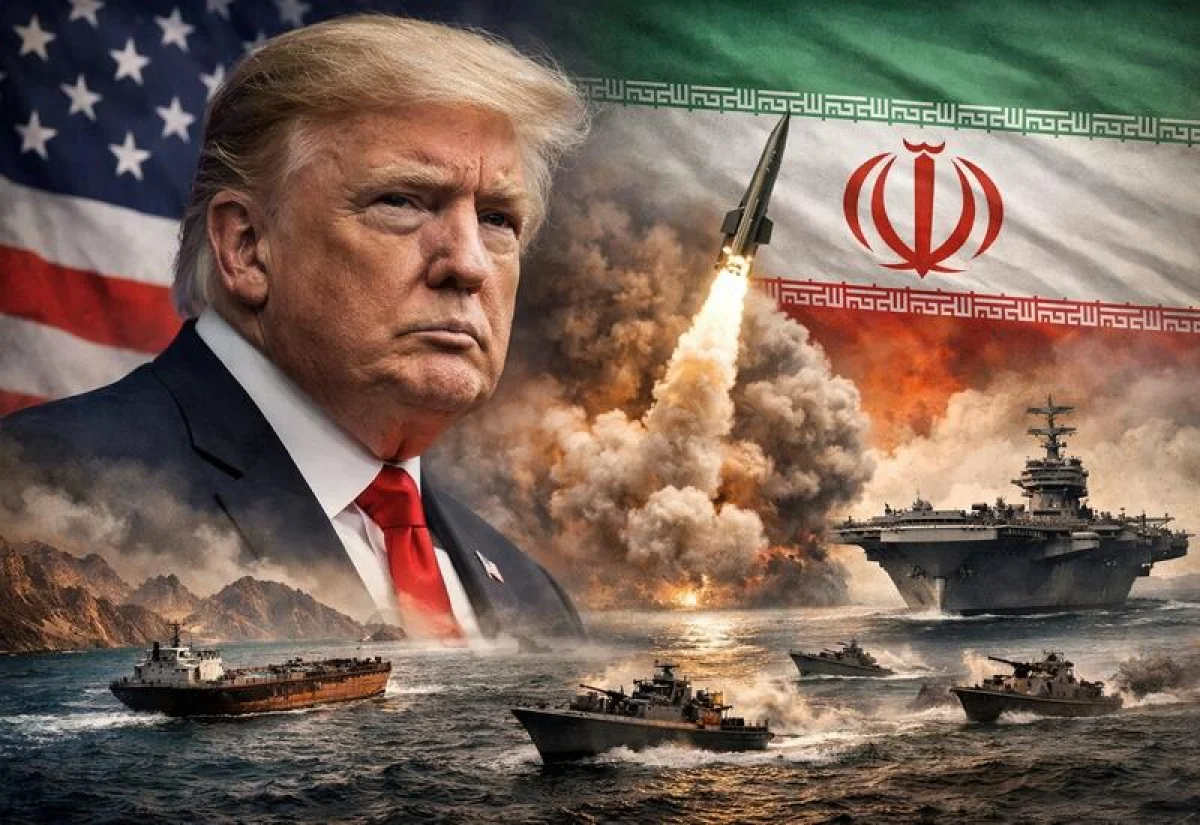
US President Donald Trump has said he is ready to meet Iranian President Masoud Pezeshkian.
But could a meeting between the two leaders actually take place?
Speaking to the Operative Information Center-OMM, political analyst Abutalib Samadov assessed the current situation between the parties, the underlying aspects of the tensions and the possible outcome of negotiations.
According to the political analyst, although the parties would discuss ways to overcome the current situation at the anticipated meeting, the main obstacle stems from Iran’s political governance structure:
“The Iranian president has limited authority. Real power belongs to the supreme leader, senior officials around him and the Islamic Revolutionary Guard Corps (IRGC). There are serious differences between Pezeshkian’s position and that of the supreme leader. The conservative wing accuses Pezeshkian of making concessions and adopting a conciliatory stance, and does not accept his position. Therefore, even if the meeting takes place, Pezeshkian has little opportunity to take independent and decisive steps.”
Samadov stressed that three main conditions put forward by Iran for continuing talks with the United States are known ahead of the meeting. The first is an immediate halt to military operations. The second condition is the lifting of the freeze on Iran’s assets. The third key issue is the lifting of the naval blockade.
Although it remains unclear whether the US will accept these conditions and how this would affect the next stages, the expert said both sides need to take a step back to some extent.
The political analyst said the current geopolitical environment was pushing both sides to seek a compromise:
“One thing is clear: Iran is tired of prolonged tensions, while President Trump understands very well that if this course continues, Republicans could face a heavy defeat in the upcoming US midterm elections. These internal and external pressures could create the conditions for certain results to be achieved.”