Afət Ziyadqızı

The long-standing Section 907 of the Freedom Support Act, which has restricted direct United States government assistance to Azerbaijan since 1992, has been effectively neutralized as bilateral relations enter a qualitatively new phase. While the amendment has not been formally repealed by the US Congress, recent strategic agreements and high-level diplomatic engagements, including the signing of the Strategic Partnership Charter, signify a major shift in Washington's policy toward Baku.
Speaking to "Operative Information Center-OMM", Member of the Milli Majlis (National Assembly) Nagif Hamzayev stated that 2025 will be remembered as a turning point in Azerbaijan-US relations. According to the MP, the removal of historical barriers and the formation of strategic partnership mechanisms have elevated ties to a new level. Nagif Hamzayev noted that the de facto neutralization of Section 907, which restricted bilateral cooperation for 33 years, is a significant political milestone:
"This decision is a restoration of justice after 33 years. The steps taken by the US leadership are a clear recognition of Azerbaijan's role in regional stability and energy security."
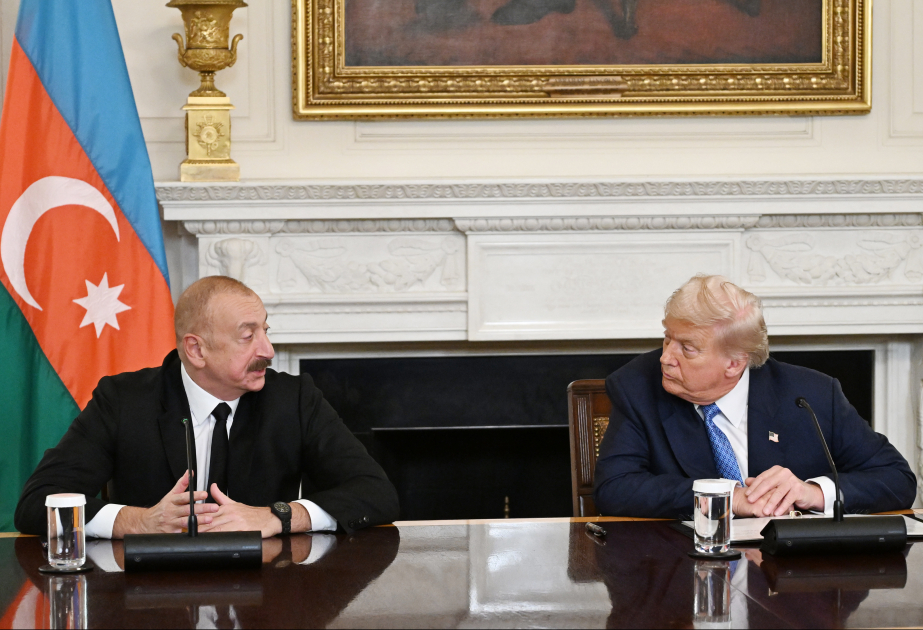
The MP further noted that the Memorandum of Understanding on the establishment of a Strategic Working Group, signed in Washington in August 2025, transitions Azerbaijan-US relations into a systematic and sustainable framework. The mechanism covers three main areas: regional coordination (energy, trade, transit), economic investments (artificial intelligence and digital infrastructure), and security cooperation. "This platform will allow for the preparation of specific roadmaps and the implementation of real projects. New investment opportunities are opening up for US companies in Azerbaijan," the MP emphasized.
Nagif Hamzayev also highlighted the expansion of cooperation in the fields of security and defense. He noted that cooperation within the FMF, IMET, and "Section 333" programs has existed for many years and will strengthen in this new phase:
"The removal of obstacles regarding the sale of modern US military technology to Azerbaijan is an indicator of the growing trust between the two countries. The partnership with the Oklahoma National Guard is of great importance in terms of adaptation to NATO standards and emergency preparedness."
The MP added that initiatives put forward within the framework of COP29 confirm Azerbaijan's leading position in the global energy agenda. The creation of green energy zones and corridors will further strengthen Azerbaijan's role as a vital energy and transit hub between Europe and Central Asia. Touching upon the initialing of the Armenia-Azerbaijan peace agreement, Nagif Hamzayev noted that the end of the 35-year conflict opens new opportunities for regional cooperation.
"The creation of a strategic transit route that will connect the main territory of Azerbaijan with Nakhchivan will change the economic map of the region. This project will connect Europe with Azerbaijan and the broader Central Asia via an alternative route."
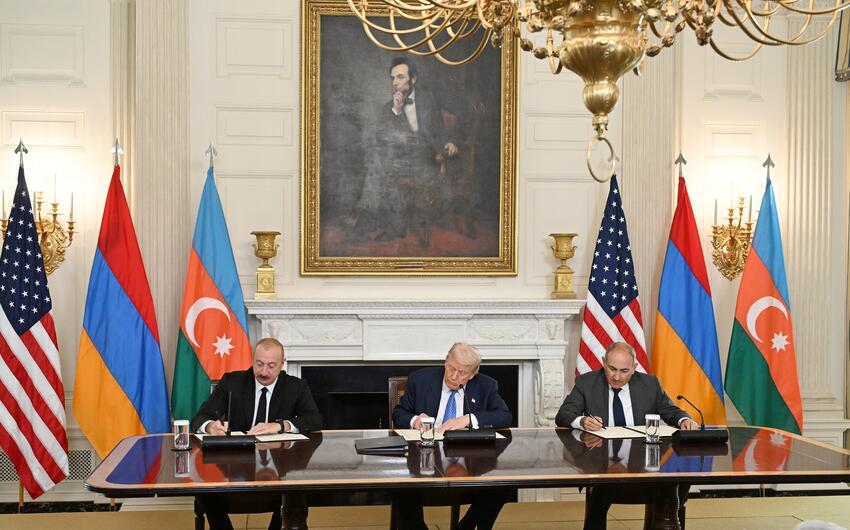
Section 907 was originally adopted by the US Congress in 1992, banning direct aid to the Azerbaijani government. While US presidents have historically issued annual waivers to this restriction, the current diplomatic environment under US President Donald Trump suggests a move toward a more permanent resolution. The MP concluded that the full repeal of Section 907 appears more realistic in the medium to long term, following the final signing of the peace treaty between Armenia and Azerbaijan.