Thailand is preparing to revive the "Land Bridge" project, an infrastructure initiative valued at $30 billion that stands as one of the most ambitious undertakings in the country in decades.
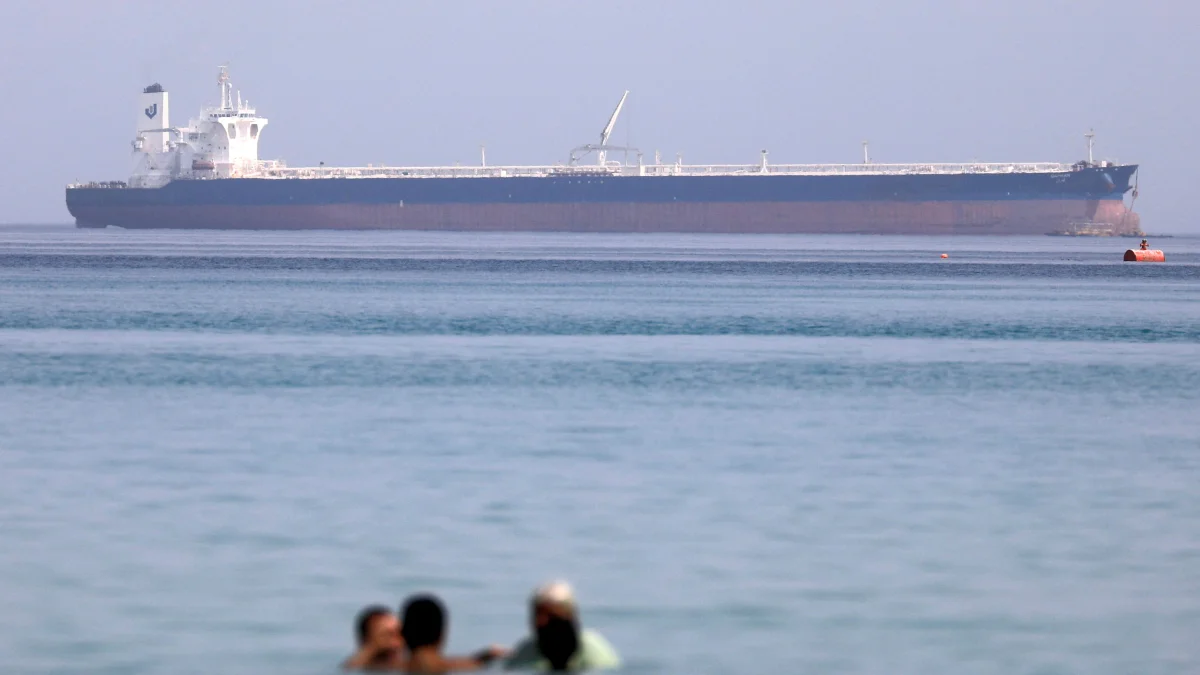
According to the Operative Information Center-OMM, citing international media, this massive project aims to connect the Gulf of Thailand with the Andaman Sea, creating a strategic alternative to the Malacca Strait, which is currently one of the world's busiest trade routes.
The project, brought back to the agenda under the initiative of Prime Minister Anutin Charnvirakul, who assumed office in April, involves the construction of two deep-sea ports in southern Thailand connected by an extensive network of railways and highways.
Government officials believe this corridor will enhance supply chain resilience, reduce cargo transit times, and transform Thailand into a primary logistics hub for Southeast Asia.
According to government documents obtained by Reuters, the project includes the construction of a dual-track railway network and supporting transport infrastructure to connect the ports.
Once fully operational, the complex is projected to handle an annual cargo turnover of 20 million TEU (twenty-foot equivalent units).
Proponents of the project emphasize that it will provide significant economic contributions to the southern region, create new jobs, and stimulate the logistics, tourism, and service sectors. Business leaders in Ranong province believe this corridor will transform the region into a key gateway for trade.
However, the initiative has sparked serious concerns among local residents, environmental groups, and researchers.
Communities living along the planned route fear the project could threaten traditional livelihoods such as fishing, agriculture, and tourism. Environmental activists argue that public consultations have been insufficient and question the economic viability of the project.
While analysts remain cautious about whether the project can directly compete with the Malacca Strait as a global transit route, some experts note that it could hold strategic importance for strengthening Thailand's internal transport network and enhancing energy security.
The Malacca Strait currently handles a significant portion of global maritime trade, particularly oil and gas shipments to East Asia. The proposed Thai Land Bridge seeks to bypass this congested waterway, potentially saving ships days of travel time, though it faces significant logistical and environmental hurdles before it can become a reality.