OMM Redaksiyası

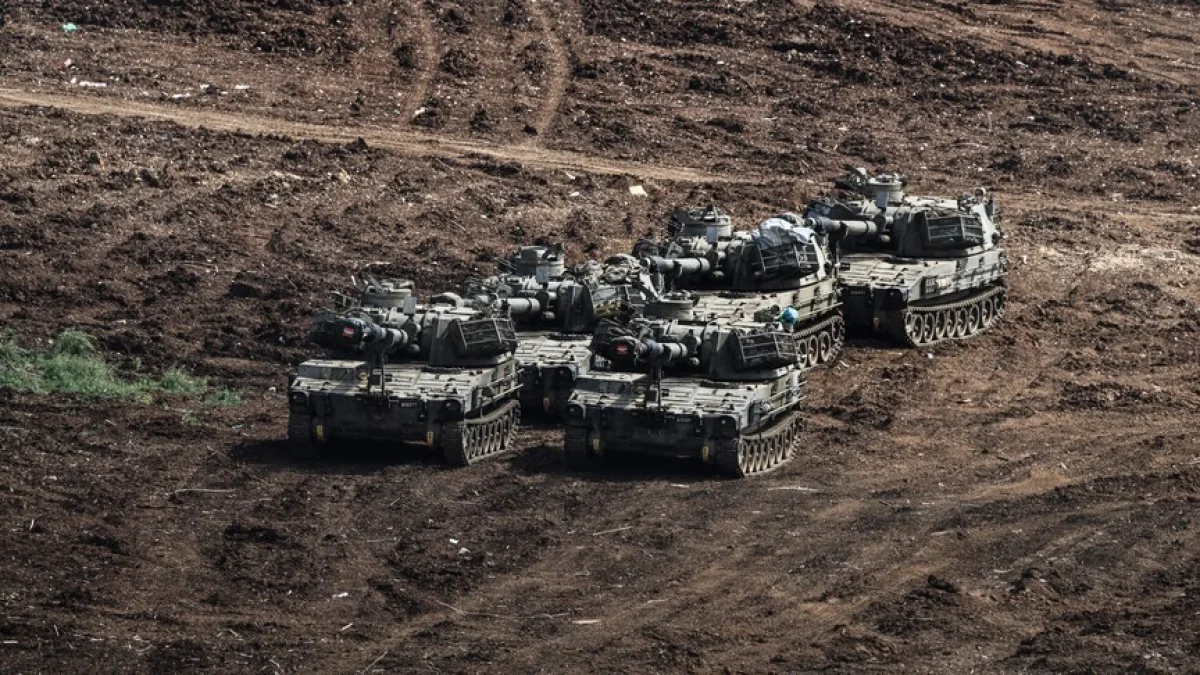
A series of explosions at weapons and ammunition sites across Syria has highlighted the risks facing the country’s military as it rebuilds after more than a decade of war, according to Al Jazeera.
The latest blast injured at least four people early on Monday at an arms depot in the al-Eis area south of Aleppo. On Friday, an explosion in Ayyash, west of Deir Az Zor, killed 11 soldiers, while another blast in Sarmada, Idlib, on September 9 killed 14 Defence Ministry personnel. Five people were killed on September 1 when a vehicle carrying ammunition exploded in Binnish, also in Idlib.
A Reuters tally cited by Al Jazeera found that at least 16 similar explosions have struck weapons storage facilities since the fall of long-time President Bashar al-Assad in December 2024. Some incidents have been blamed on inadequate storage conditions, while Syria’s Defence Ministry has said it is investigating the repeated blasts.
Military restructuring puts pressure on storage facilities
Security analysts have offered different explanations for the explosions. Some have pointed to ageing infrastructure and a lack of professional storage systems, while others say possible foreign interference should be examined, although there is no confirmed evidence of sabotage.
Omer Ozkizilcik, a nonresident senior fellow at the Atlantic Council’s Middle East programme, said Syria’s military was undergoing major changes. The new armed forces are consolidating weapons from different sources, taking control of stockpiles belonging to the former regime and incorporating forces previously linked to the Kurdish-led Syrian Democratic Forces.
That process has increased pressure on facilities that were already in poor condition after years of conflict and international isolation, Ozkizilcik said. He added that the former army had been dissolved after al-Assad’s fall and that fighters from opposition groups had been integrated into a new military structure.
“The Syrian army has yet to become a professional army,” Ozkizilcik said, adding that similar incidents had occurred before al-Assad’s removal. He said the blasts were unlikely to have a visible impact on Syria’s military capabilities because lost stockpiles could be replenished.
Ageing ammunition increases risks
Weapons and ammunition require careful handling and appropriate storage. Large quantities of ageing munitions kept for years in high temperatures or humid conditions can deteriorate and become unstable.
Security expert Ismat al-Absi said much of Syria’s warehouse infrastructure was decades old and did not meet international safety standards. He warned that storing ageing ammunition in open or semi-enclosed areas without controlled temperature and humidity systems could trigger a chain reaction.
Sabotage concerns remain unproven
The repeated explosions have also raised fears of sabotage, particularly amid continuing Israeli attacks on military targets in Syria since al-Assad’s fall. Those attacks include strikes on the Abu al-Duhur airbase in Idlib in August.
Ozkizilcik said there was no public information linking the depot explosions to sabotage or Israel. However, he added that the repeated incidents, Israel’s military operations in Syria and its past intelligence activities against groups such as Lebanon’s Hezbollah meant the possibility could not be completely dismissed.
Al-Absi said the broad geographical spread of the explosions warranted an investigation into deliberate interference. He cited weak surveillance, reliance on traditional guards instead of remote and thermal monitoring systems, insufficient protection of transport routes and administrative fragmentation as possible vulnerabilities.
He added that weakened security discipline during the restructuring of Syria’s military could have left some sites exposed to infiltration or internal manipulation.