Baku and Absheron face sharp weather change: Flooding risks expected
In Azerbaijan, starting from April 4, weather conditions are expected to change drastically, with intense precipitation forecast across the country.
The Operative Information Center-OMM reports that the National Hydrometeorological Service has issued a warning to the public regarding heavy rain and potential flash floods in both the capital and regional areas.
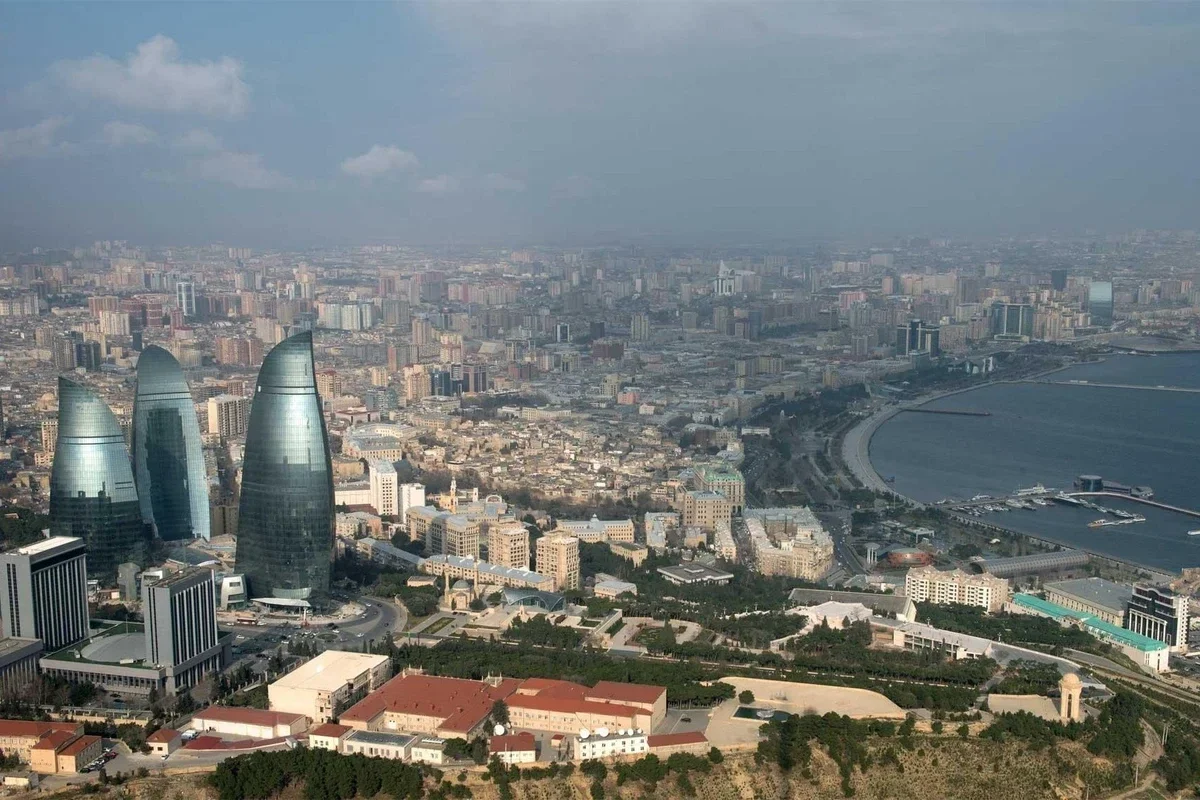
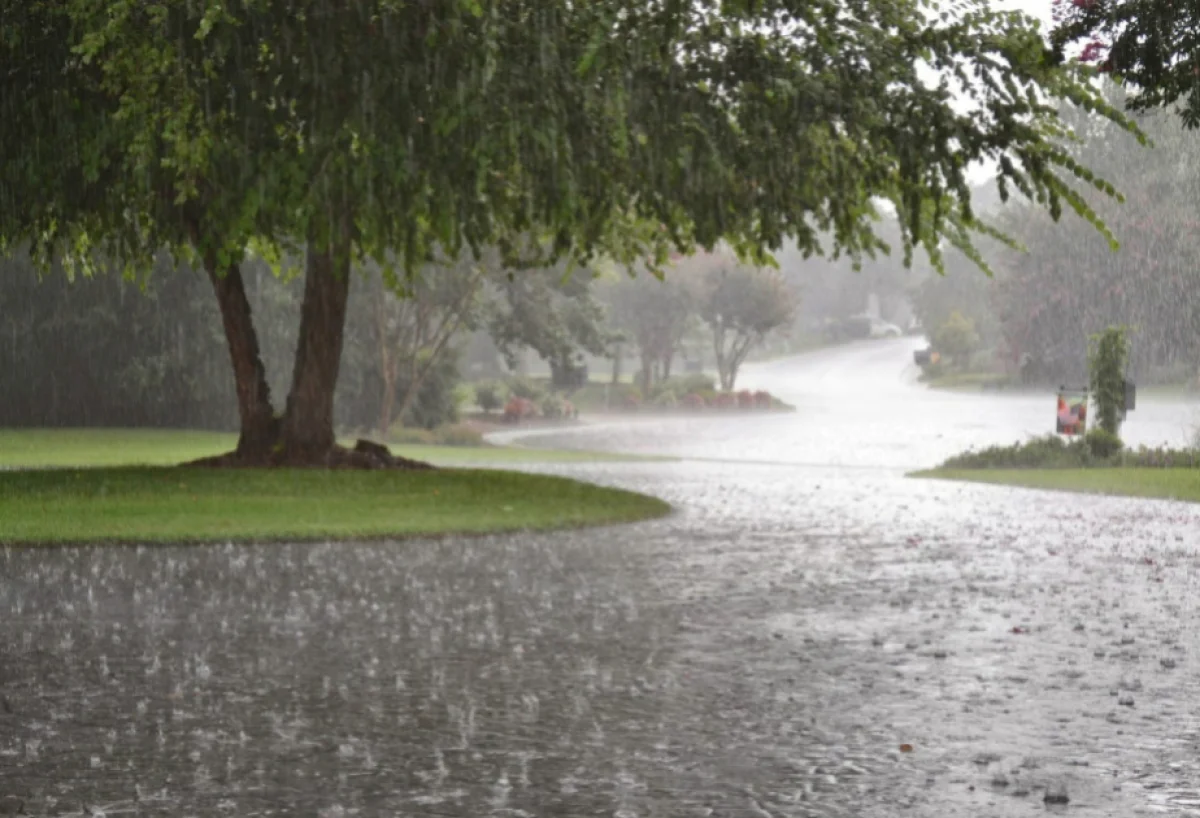
In Baku and the Absheron Peninsula, intermittent rain is forecast from the morning of April 4 until the afternoon of April 6. Precipitation is expected to intensify in certain parts of the peninsula, with a high probability of short-term heavy downpours and lightning throughout the day on April 4.
According to expert warnings, the anticipated intense and periodically strengthening rains are likely to significantly impact suburban areas prone to flooding.
Regional flood warnings: Which areas are at risk?
In the regions of Azerbaijan, unstable weather conditions are expected to persist from the morning of April 4, starting in the western districts, until the morning of April 7. Intense precipitation is forecast in several locations, with heavy rain, lightning, and hail expected in specific eastern districts. Meteorologists do not rule out the possibility of snowfall in some mountainous regions.
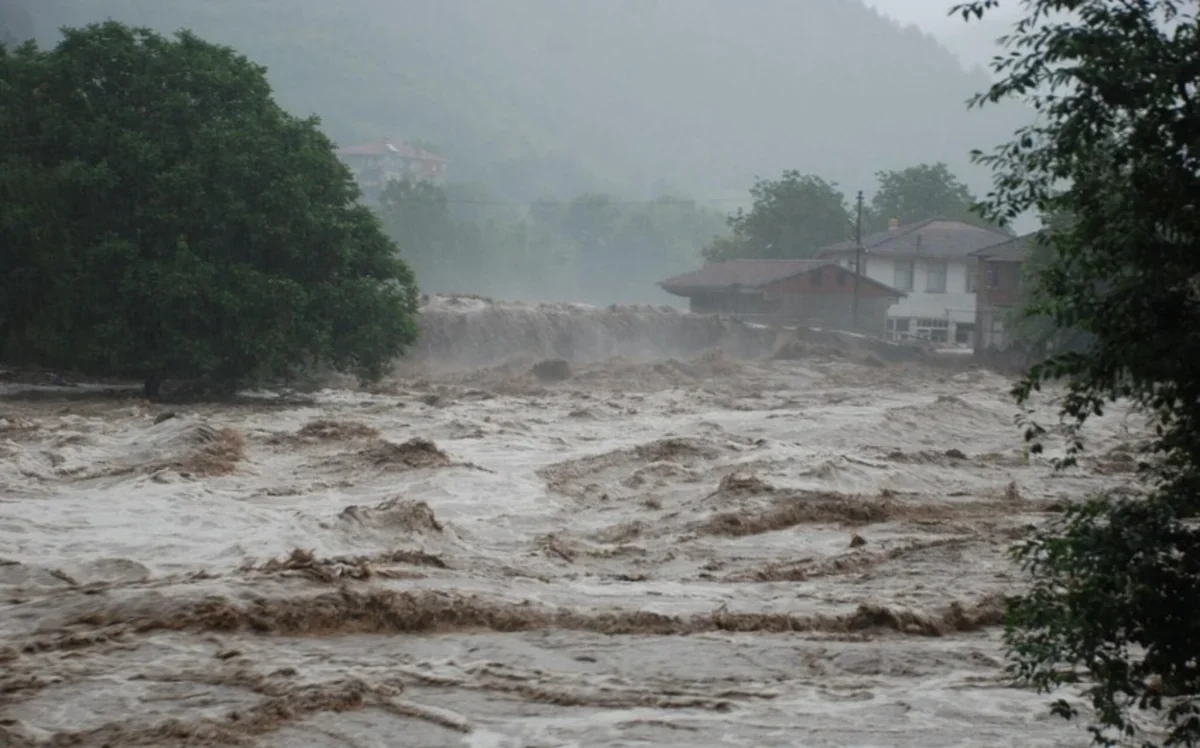
Water levels in rivers are projected to rise. Specifically, short-term floods and mudflows are expected in the rivers of the Guba-Gusar region and other mountain streams.
General forecast for early April: When will the rain end?
Following the rainy conditions expected between April 4-7, a brief pause in precipitation is anticipated during the afternoon of April 7 and on April 8. However, this break will be short-lived, as rainy weather is expected to return starting from the afternoon of April 9.
Overall, during the first ten days of April, weather conditions across the territory of Azerbaijan will remain changeable with intermittent precipitation.
Such seasonal weather fluctuations are common in Azerbaijan during the spring months, as the transition from winter often brings unstable atmospheric fronts. The National Hydrometeorological Service, under the Ministry of Ecology and Natural Resources, regularly monitors these patterns to provide early warnings for agriculture and urban infrastructure management, ensuring public safety during periods of increased hydrological activity.