 Afət Ziyadqızı

Zahir al-Wahidi, director of the Information Center of Gaza’s Health Ministry, said at a news conference outside Al-Shifa Hospital in Gaza City that the crisis in the enclave’s healthcare infrastructure had reached a critical level.
Operative Information Center-OMM reports that the Gaza Health Ministry’s press service issued an official statement on the matter.
According to the statement, al-Wahidi said the severe blockade imposed by Israel had deprived medical facilities of essential resources and turned them into isolated sites. Describing the alleged targeting of the healthcare sector as a planned crime on a “genocidal” scale, al-Wahidi rejected claims that the entry of aid supplies into Gaza had been facilitated. He said the volume of humanitarian cargo entering the enclave remained far below what was needed even to meet medical facilities’ minimum operational requirements.
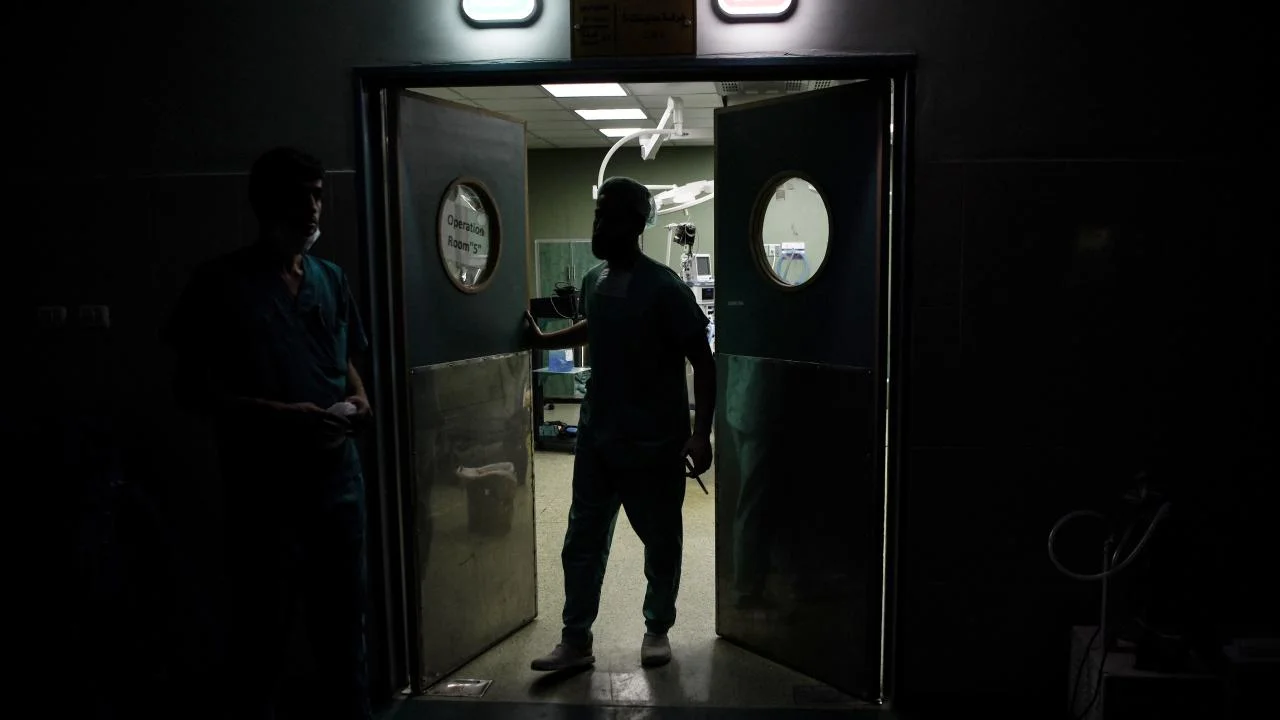
The official highlighted the danger posed by the failure of electricity generators. More than 70 percent of the main generators at hospitals have reportedly stopped operating because of acute shortages of fuel, oil and spare parts, creating the risk that intensive care and other vital departments could cease functioning at any time. At the same time, the collapse of public transportation due to shortages of tires and spare parts is preventing hundreds of healthcare workers from reaching hospitals.
The Health Ministry representative called on the international community, the UN Security Council, the World Health Organization (WHO) and humanitarian organizations to take immediate action to ensure the delivery of emergency medicines, medical supplies and fuel for generators to Gaza.
Hospitals rely on backup generators to maintain essential services when public electricity supplies are disrupted. Fuel shortages can therefore affect intensive care units, operating rooms, incubators and other departments requiring continuous power.