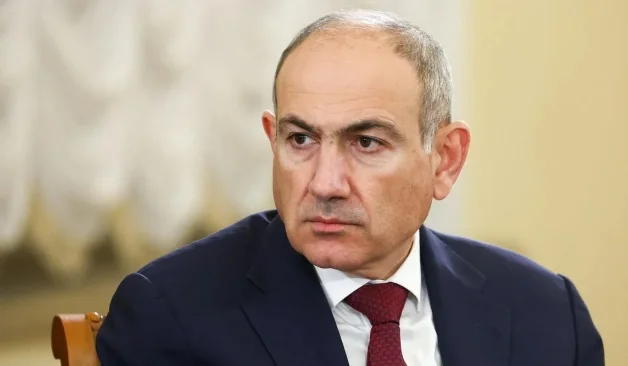
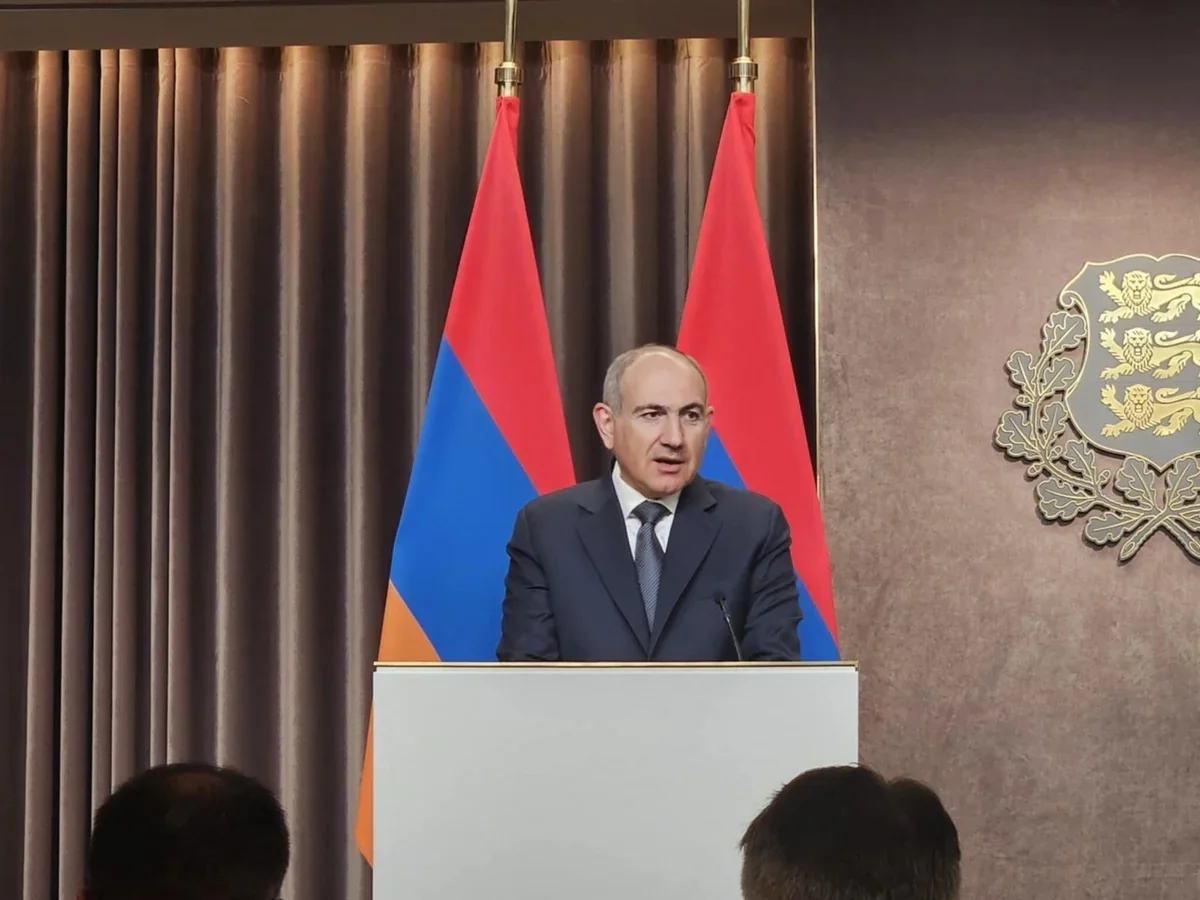
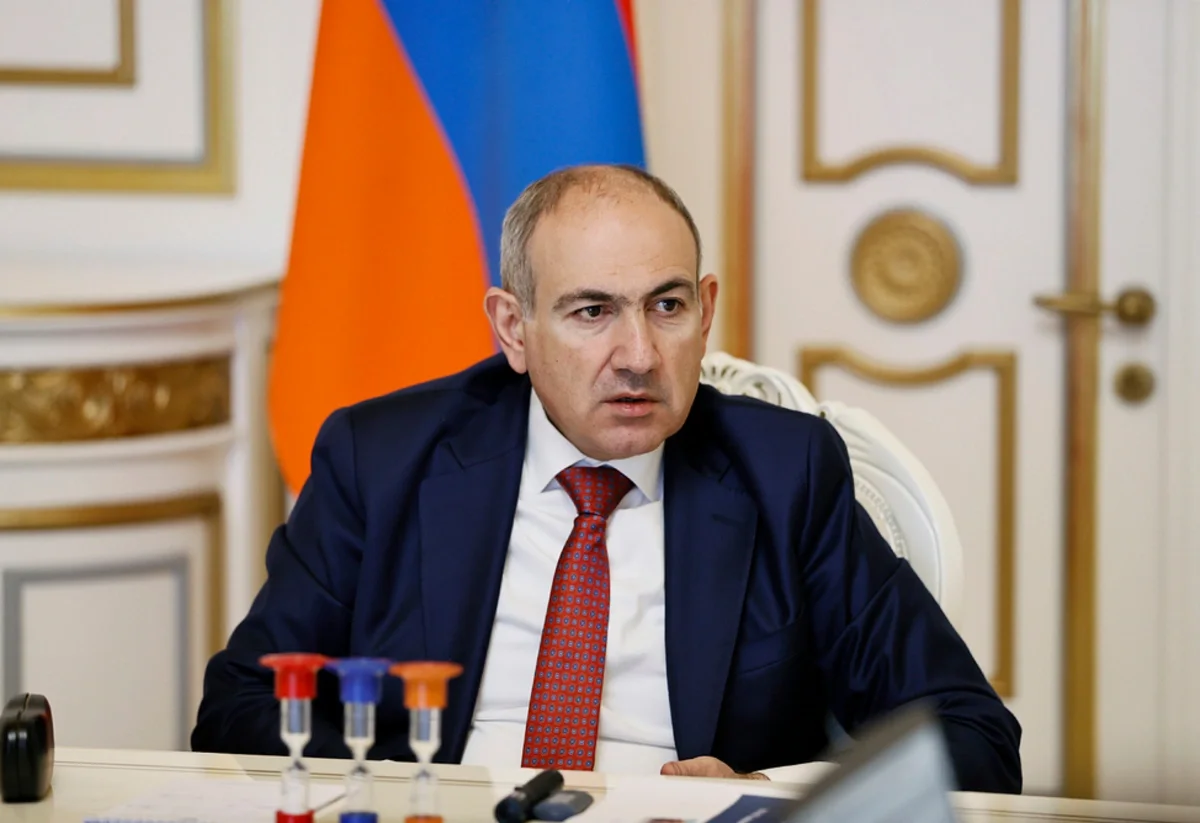
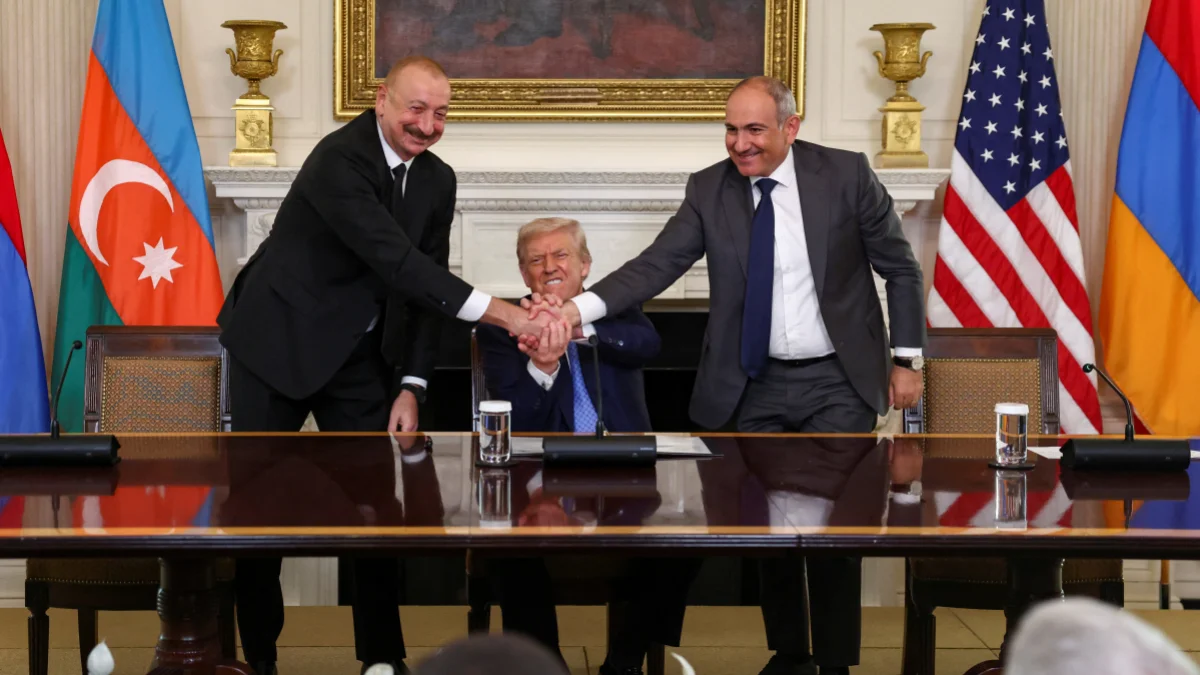
Armenian Prime Minister Nikol Pashinyan has stated that the peace process between Armenia and Azerbaijan was initiated as a result of a balanced foreign policy.
According to the Operative Information Center-OMM, Pashinyan made these remarks during the presentation of the ruling Civil Contract Party's election program. He noted that a balanced and stabilizing foreign policy has proven its effectiveness, allowing for the stabilization of the country's external environment and preventing imbalances in international relations.
The Prime Minister emphasized that "regionalization" plays a central role in this strategy, with the goal of ensuring Armenia can function more sustainably within its own environment. He highlighted the particular importance of developing relations with Georgia, Iran, Turkey, and Azerbaijan. Pashinyan added that the opening of transport infrastructure, including the potential use of the Gyumri-Kars railway, could strengthen regional cooperation and transform the area into a significant transit hub.
Pashinyan also underscored the importance of the "3+3" regional cooperation format, noting that Russia's participation in this platform is vital for the transformation of Armenian-Russian relations. Furthermore, he mentioned the adoption of a new "Regionalization 2" concept, which envisions expanding ties with Central Asia, the Middle East, and India, noting the establishment of diplomatic relations with Saudi Arabia and Pakistan. The Prime Minister also pointed to ongoing cooperation with global powers, including US President Donald Trump's administration, China, the United Kingdom, and Germany.
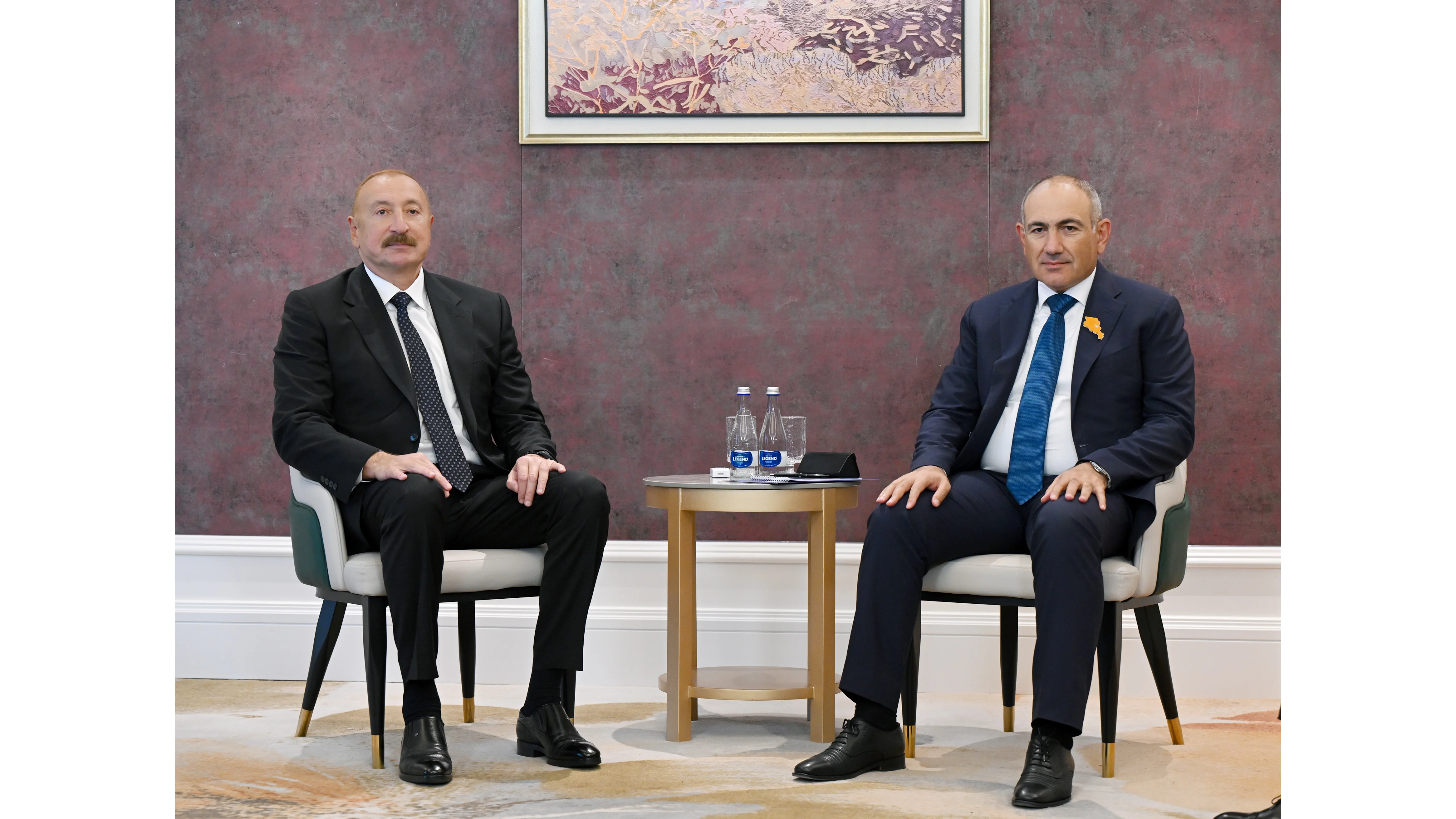
A key turning point in achieving peace, according to Pashinyan, was the prioritization of direct dialogue with Azerbaijan and Turkey. He stated that previous negotiations conducted through third parties often led to the distortion of messages. Despite criticism from opposition forces regarding his position toward Baku and Ankara, Pashinyan maintained that direct communication yields more effective and accurate results for the region's future.