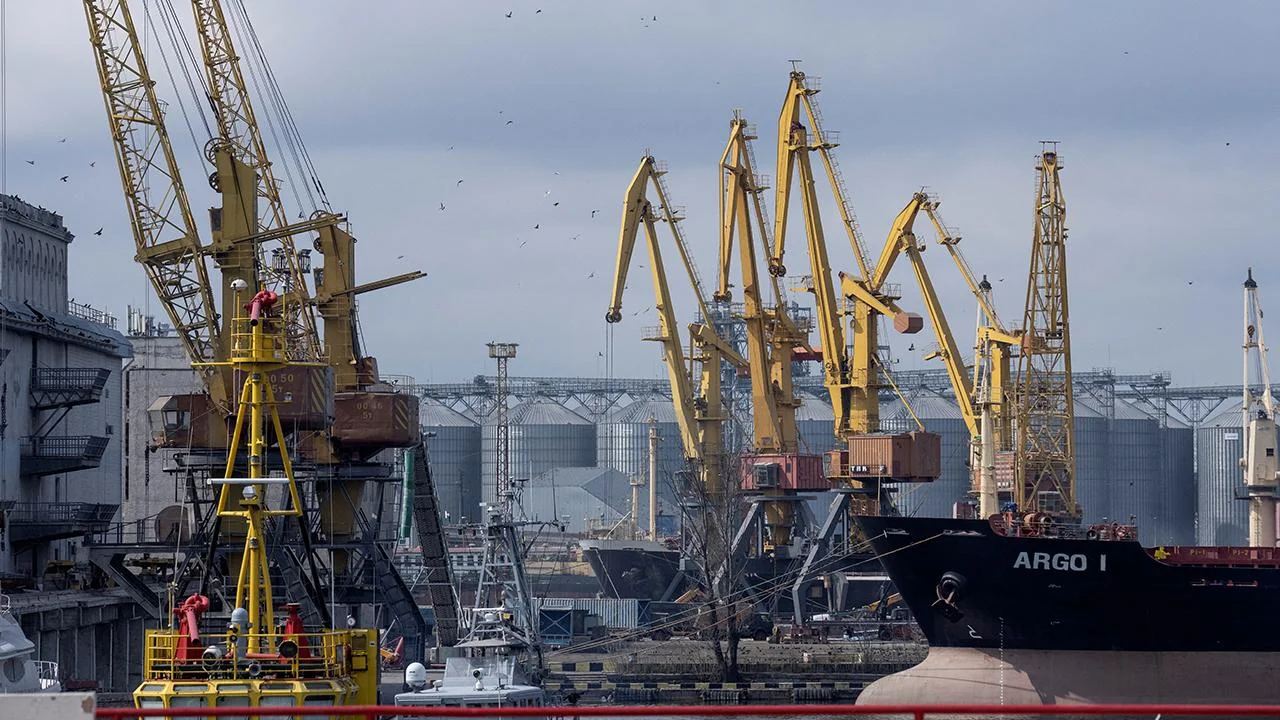
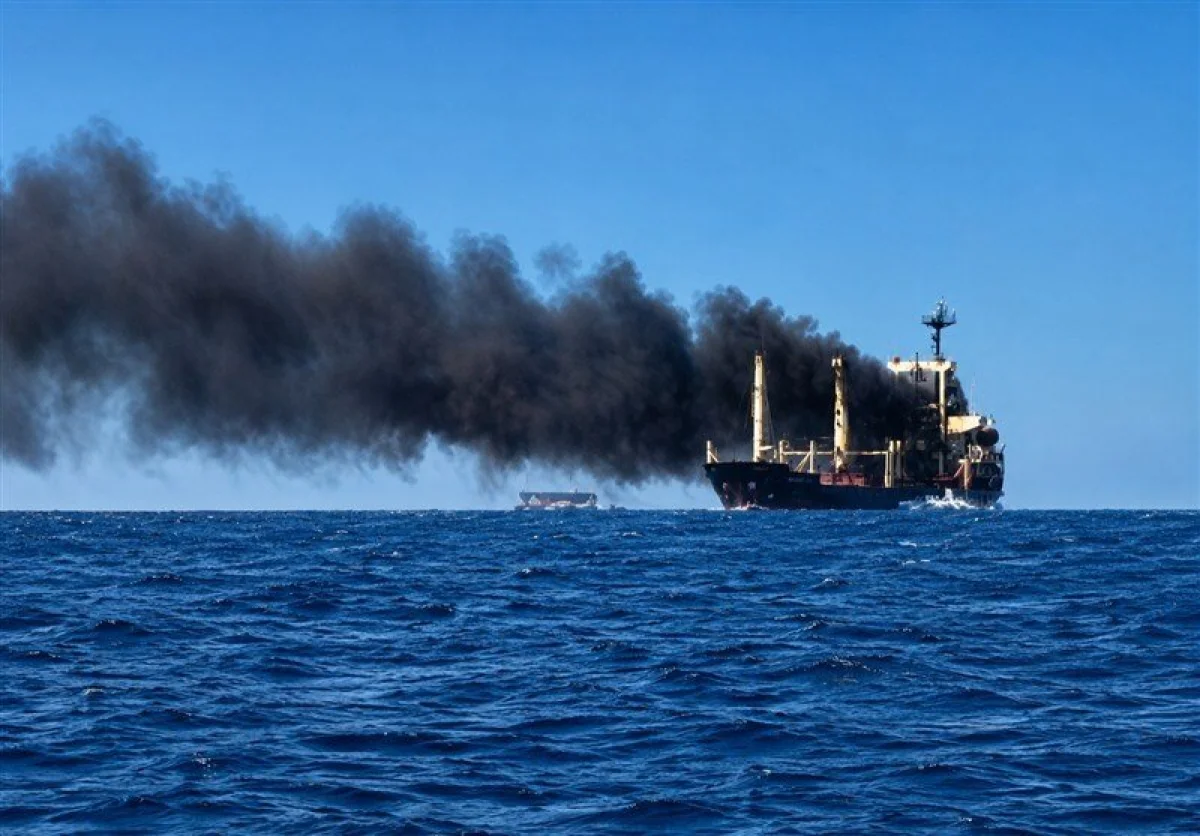
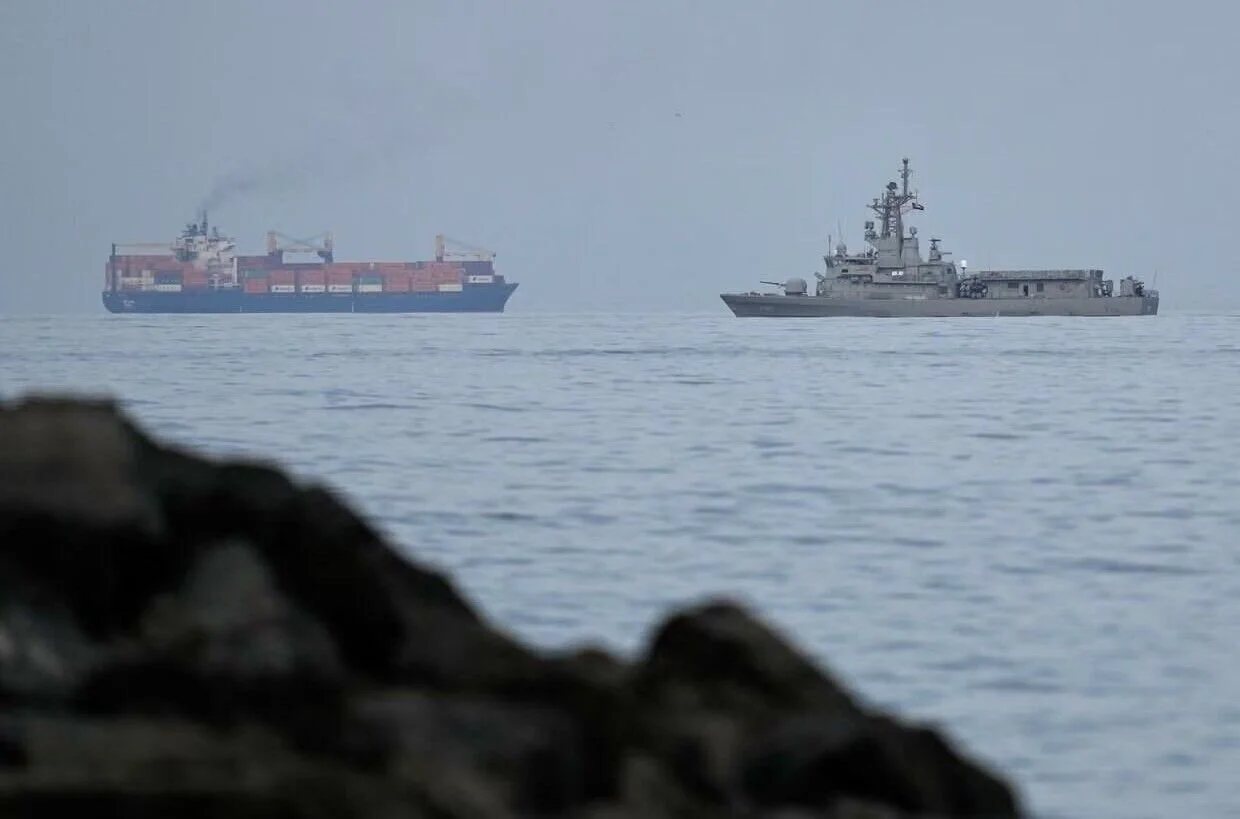
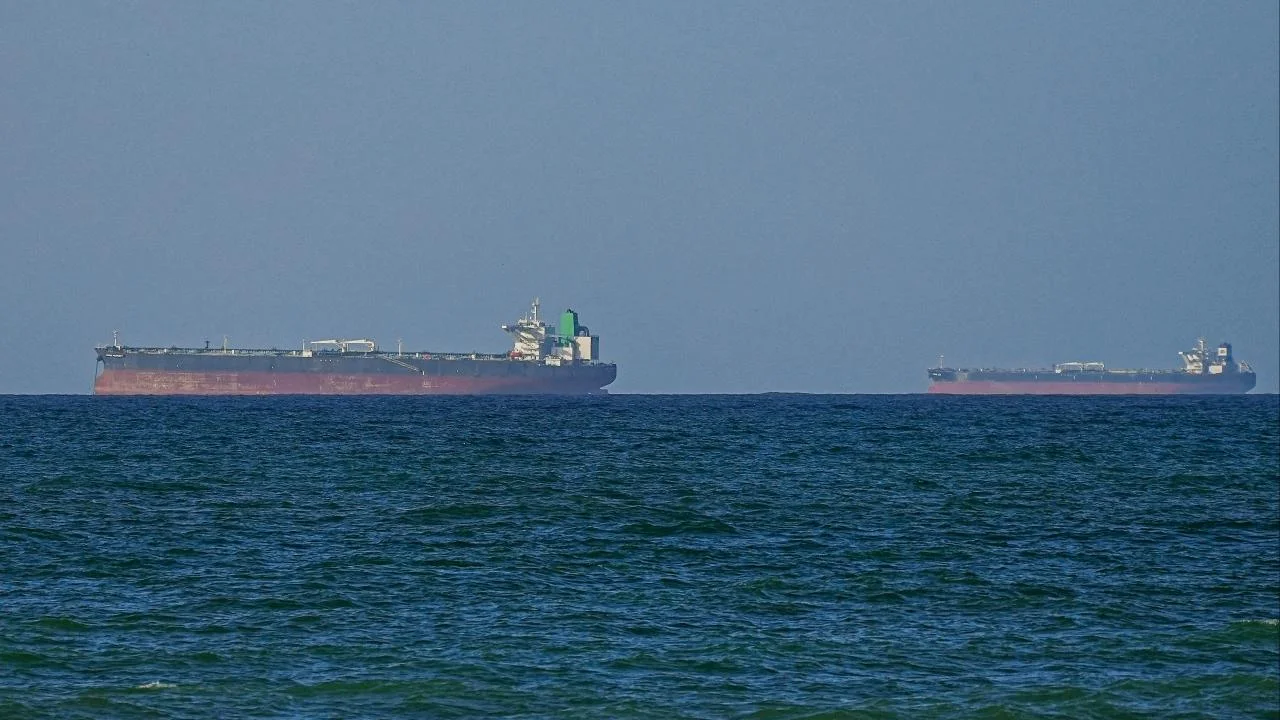
Approximately 400 vessels of various types have gathered in the Strait of Hormuz, awaiting permission from Iranian authorities to proceed.
The Operative Information Center-OMM reports, citing Iran's Mehr news agency, that the strategic waterway has been effectively blocked following a sharp escalation in regional military conflict.
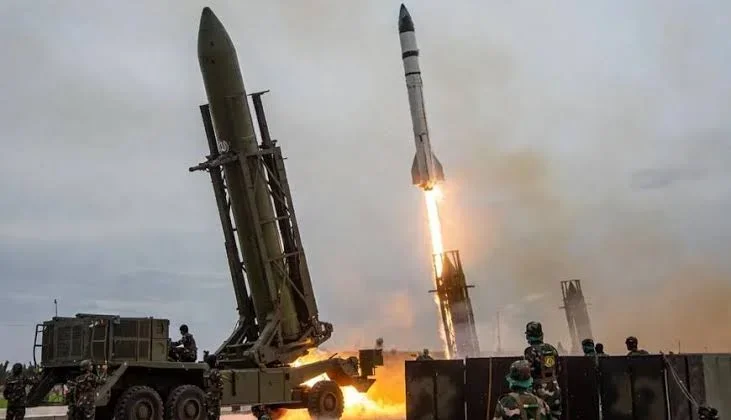
According to the reports, Iran closed the Strait of Hormuz to all maritime traffic, including oil tankers, after the United States and Israel conducted airstrikes against Iran on February 28. The strikes were reportedly carried out on the grounds of Tehran's alleged plans to develop nuclear weapons. In response, Iran launched retaliatory air strikes against Israel and US military bases located across the Middle East. These military operations have led to a severe restriction of movement for both commercial vessels and energy carriers in the region.
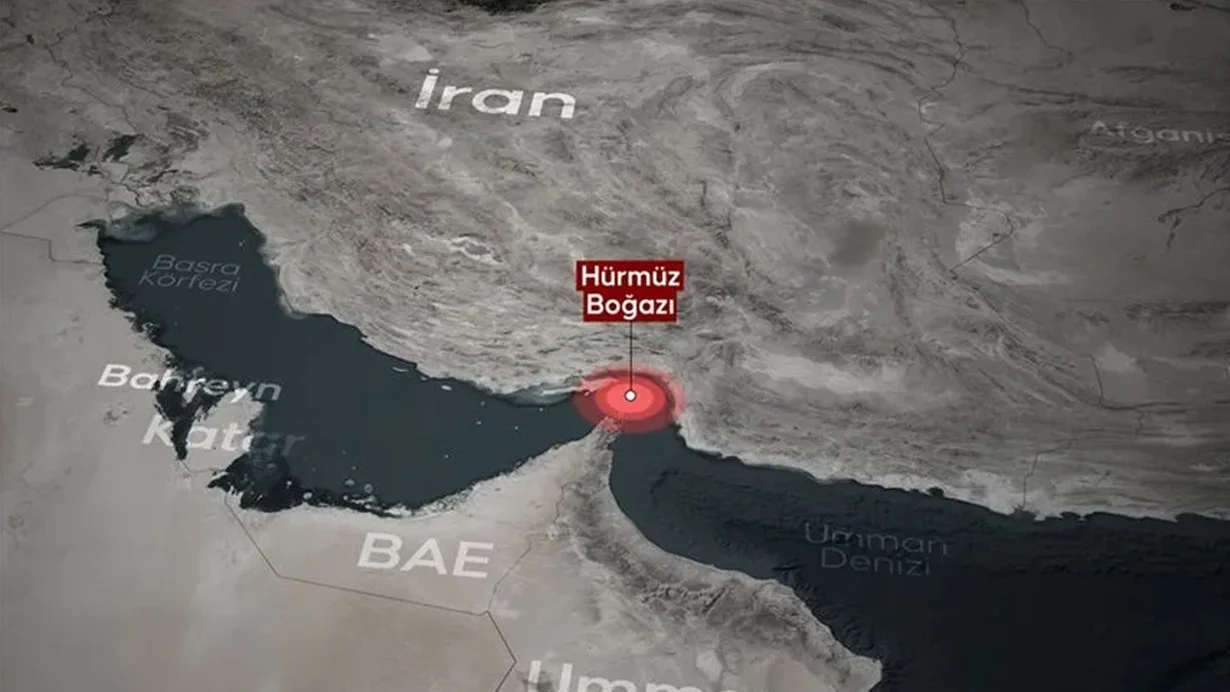
The Strait of Hormuz is one of the world's most vital maritime chokepoints, through which approximately one-fifth of the world's total oil consumption passes daily. Located between Oman and Iran, the strait connects the Persian Gulf with the Gulf of Oman and the Arabian Sea. Any prolonged closure of this route traditionally triggers significant volatility in global energy markets, as evidenced by the current sharp increase in international fuel prices following the blockade.