 Afət Ziyadqızı

Russia has clarified its official position regarding the ongoing situation surrounding Iran's nuclear program and diplomatic tensions.
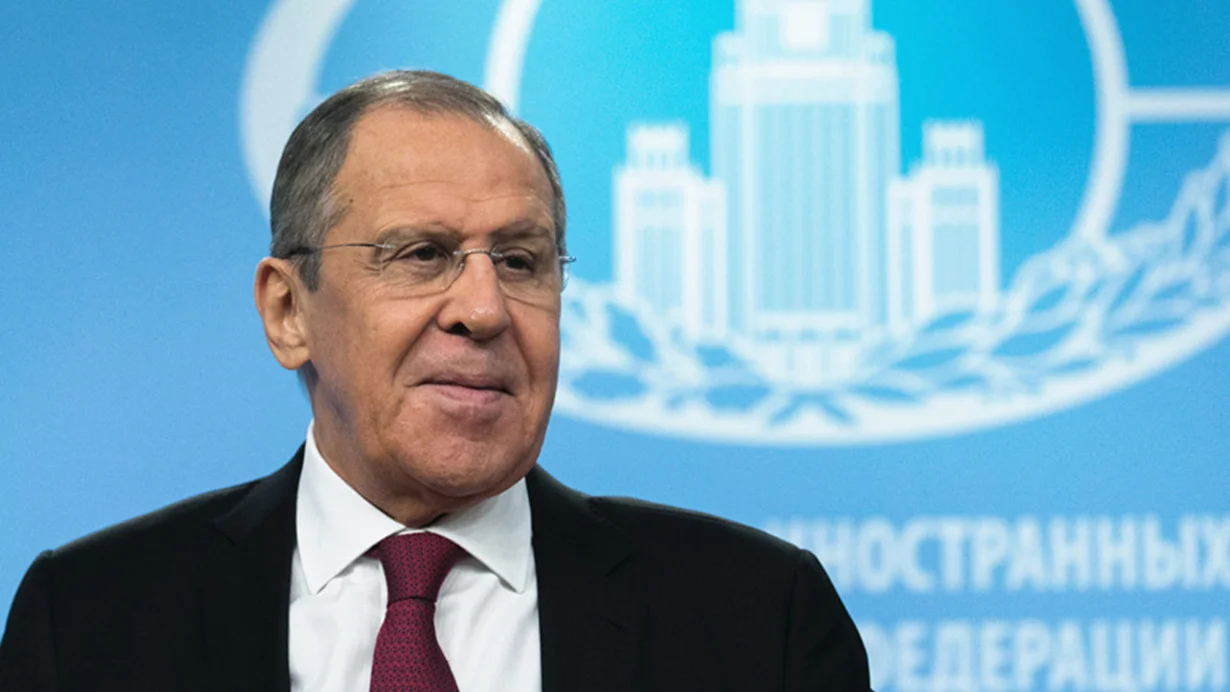
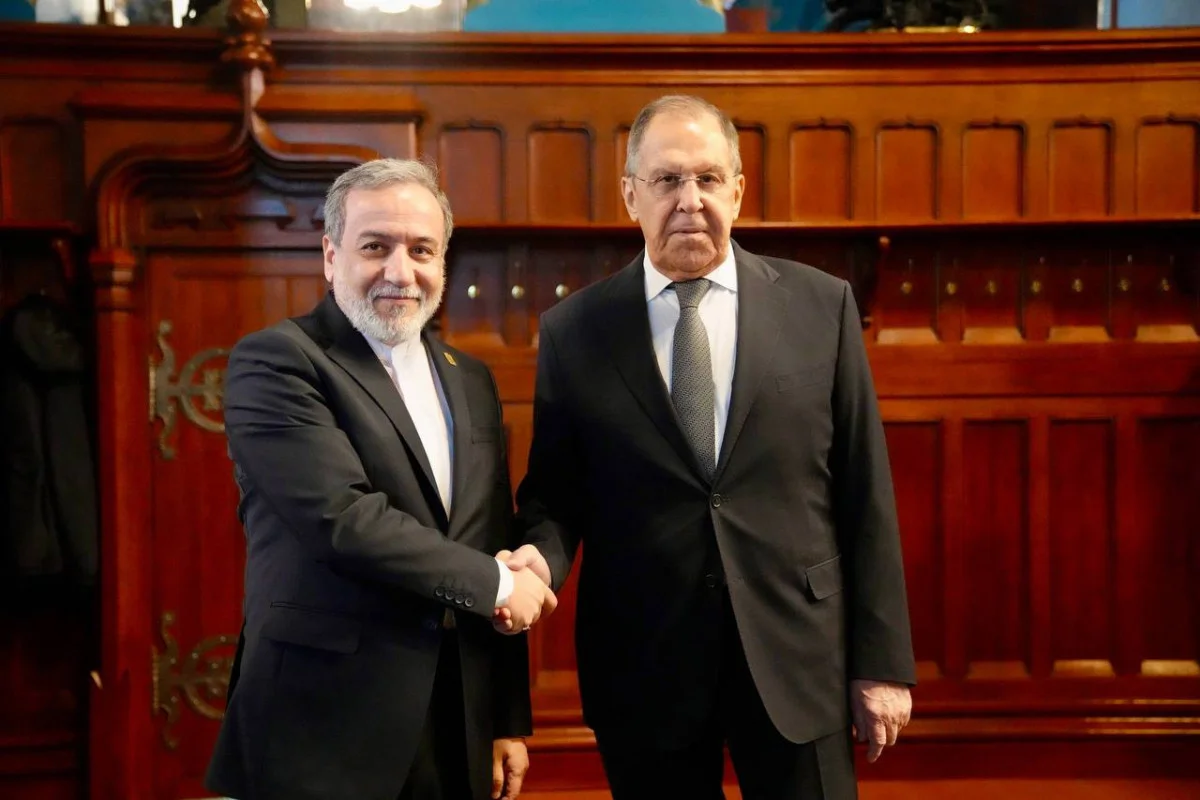
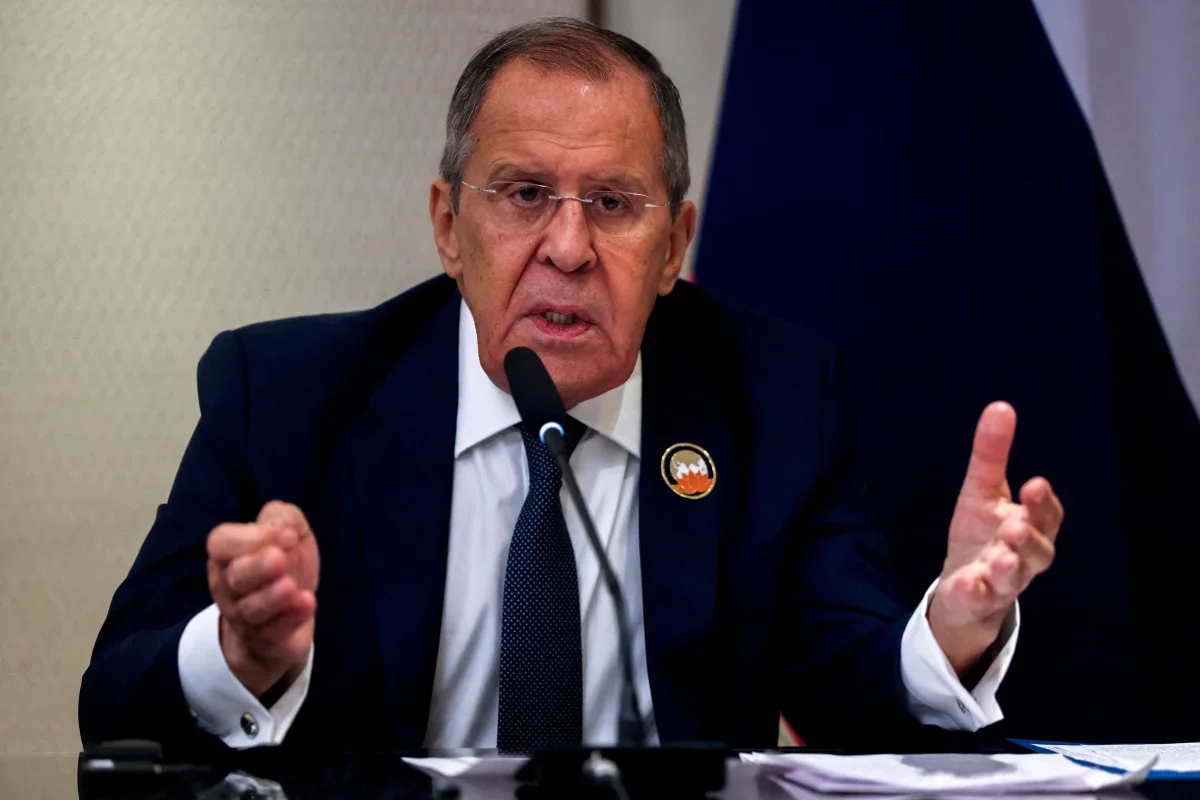
Operative Information Center-OMM reports that Russian Foreign Minister Sergey Lavrov made these remarks during a press conference following a meeting with Simeon Oyono Esono Angue, the Minister of Foreign Affairs of Equatorial Guinea.
Lavrov stated that Moscow is prepared to support any mutually acceptable solution reached between Tehran and Washington. According to the minister, the Joint Comprehensive Plan of Action (JCPOA) regarding Iran's nuclear program originally provided for additional transparency and oversight mechanisms. Lavrov noted that during that period, Iran made significant concessions by agreeing to more extensive inspections by the International Atomic Energy Agency (IAEA).
The Foreign Minister emphasized that the administration of US President Donald Trump withdrew from this agreement during his first presidential term. Lavrov asserted that since the original deal has effectively lapsed, Iran should maintain the same rights as any other member state of the Treaty on the Non-Proliferation of Nuclear Weapons (NPT). He added that if Iran decides to limit certain aspects of its legitimate nuclear program as a gesture of goodwill to serve long-term peace, Russia would welcome such a move. Lavrov further noted that Iran's right to enrich uranium for peaceful purposes under IAEA supervision must remain a core component of any potential future agreement.
The JCPOA, signed in 2015 between Iran and the P5+1 powers (the US, UK, France, China, Russia, and Germany), was designed to limit Tehran's nuclear capabilities in exchange for the lifting of economic sanctions. The deal faced a major setback in 2018 when US President Donald Trump withdrew the United States from the agreement, citing concerns over its scope and duration. The current geopolitical landscape remains focused on whether a renewed framework can be established to ensure regional stability and nuclear non-proliferation while respecting the sovereign rights of the involved parties.