Afət Ziyadqızı

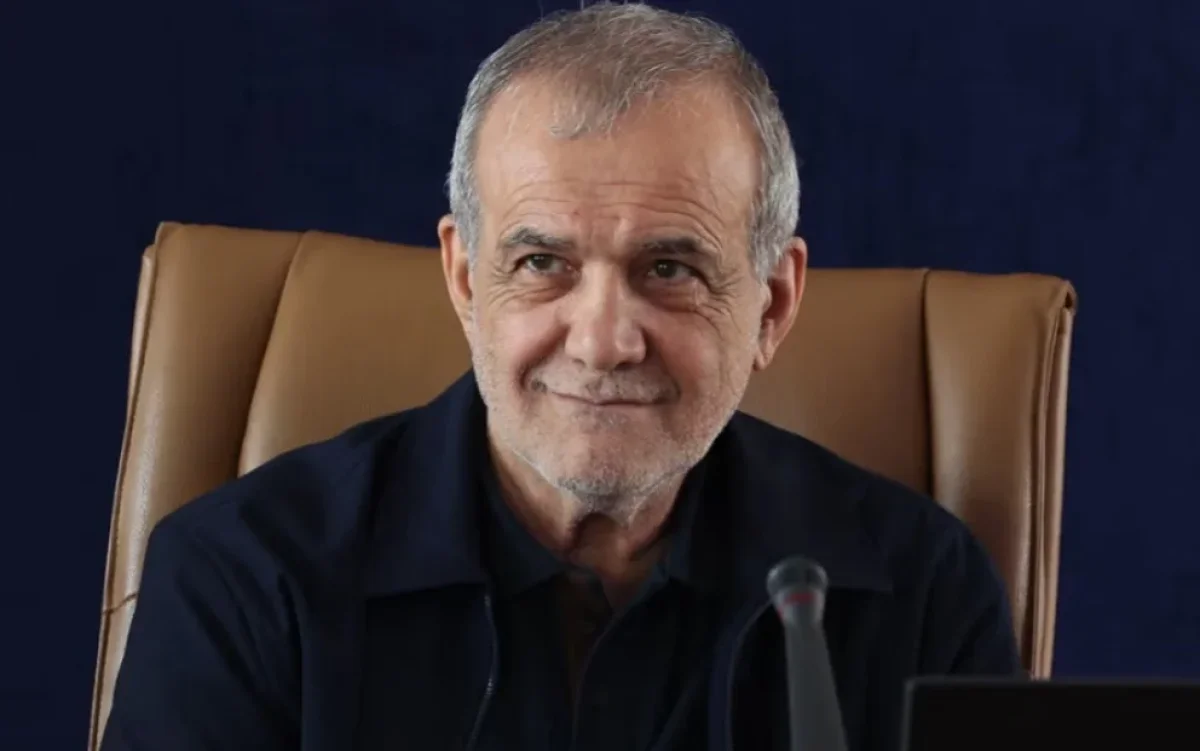
Iranian President Masoud Pezeshkian has called for a "dignified" dialogue with the United States, urging a move away from radical slogans that oppose diplomatic engagement.
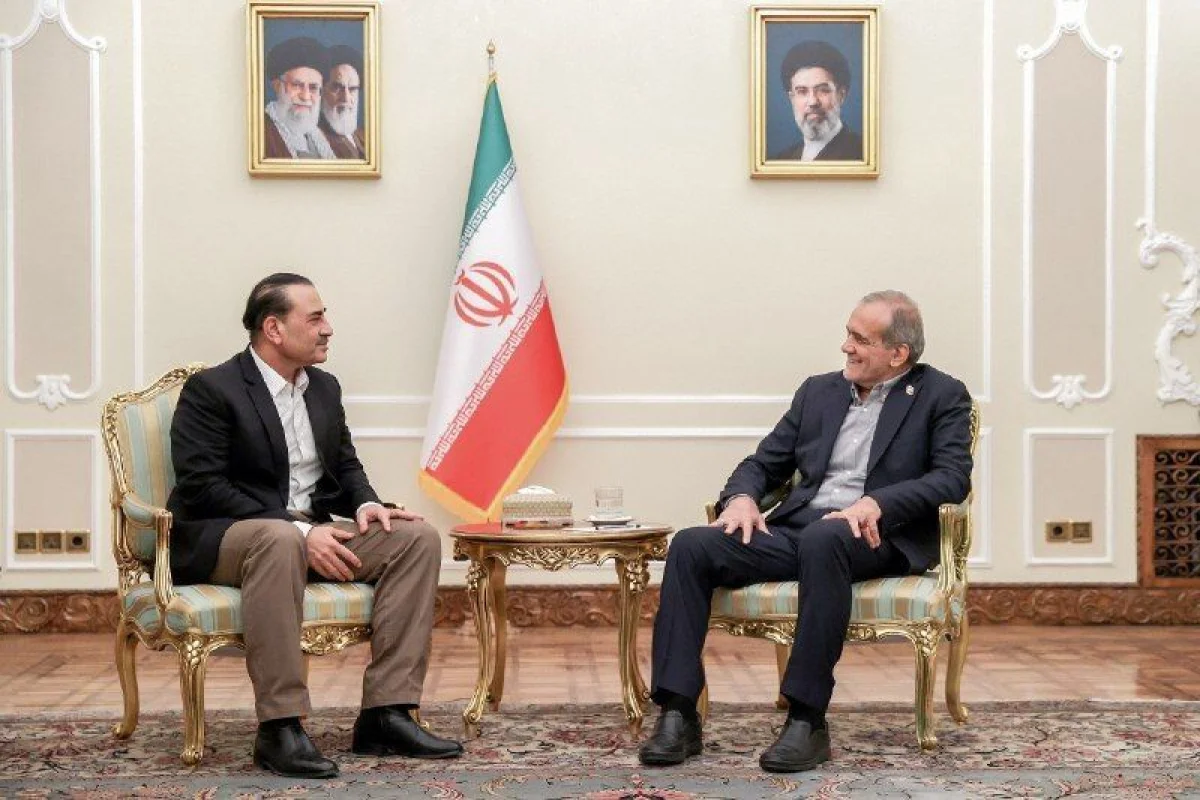
According to the Operative Information Center-OMM, the President made these remarks during a meeting with government public relations officials. Pezeshkian emphasized the necessity of communication to resolve long-standing tensions, questioning the feasibility of permanent confrontation. "If you do not talk, do you want to fight forever?" the President noted, adding that it is a mistake to claim the enemy is collapsing while the country faces its own internal struggles. He admitted that both sides have their own specific sets of problems that require realistic assessments rather than ideological rhetoric.
The President also provided a candid overview of Azerbaijan's neighbor's domestic socio-economic situation, particularly regarding the energy crisis. He warned that high energy consumption could lead to severe consequences during the summer and winter months. Pezeshkian revealed that while Iran produces 100 million liters of gasoline daily, the national demand has reached 150 million liters. Addressing the causes of inflation, the head of state acknowledged the difficulties of the current economic struggle and stressed that progress must be achieved in stages, as it is impossible to resolve all issues simultaneously.
These statements come at a critical juncture as the international community monitors Tehran's potential shift in foreign policy. The call for dialogue is particularly significant given the regional landscape and the current administration of US President Donald Trump. Historically, relations between Tehran and Washington have been defined by sanctions and diplomatic stalemates; however, Pezeshkian's emphasis on "dignified" negotiation suggests an attempt to balance national interests with the practicalities of international diplomacy. The President concluded by reflecting on his sudden rise to office, stating, "I was brought here suddenly," while reiterating his commitment to gradual reform.