 Afət Ziyadqızı

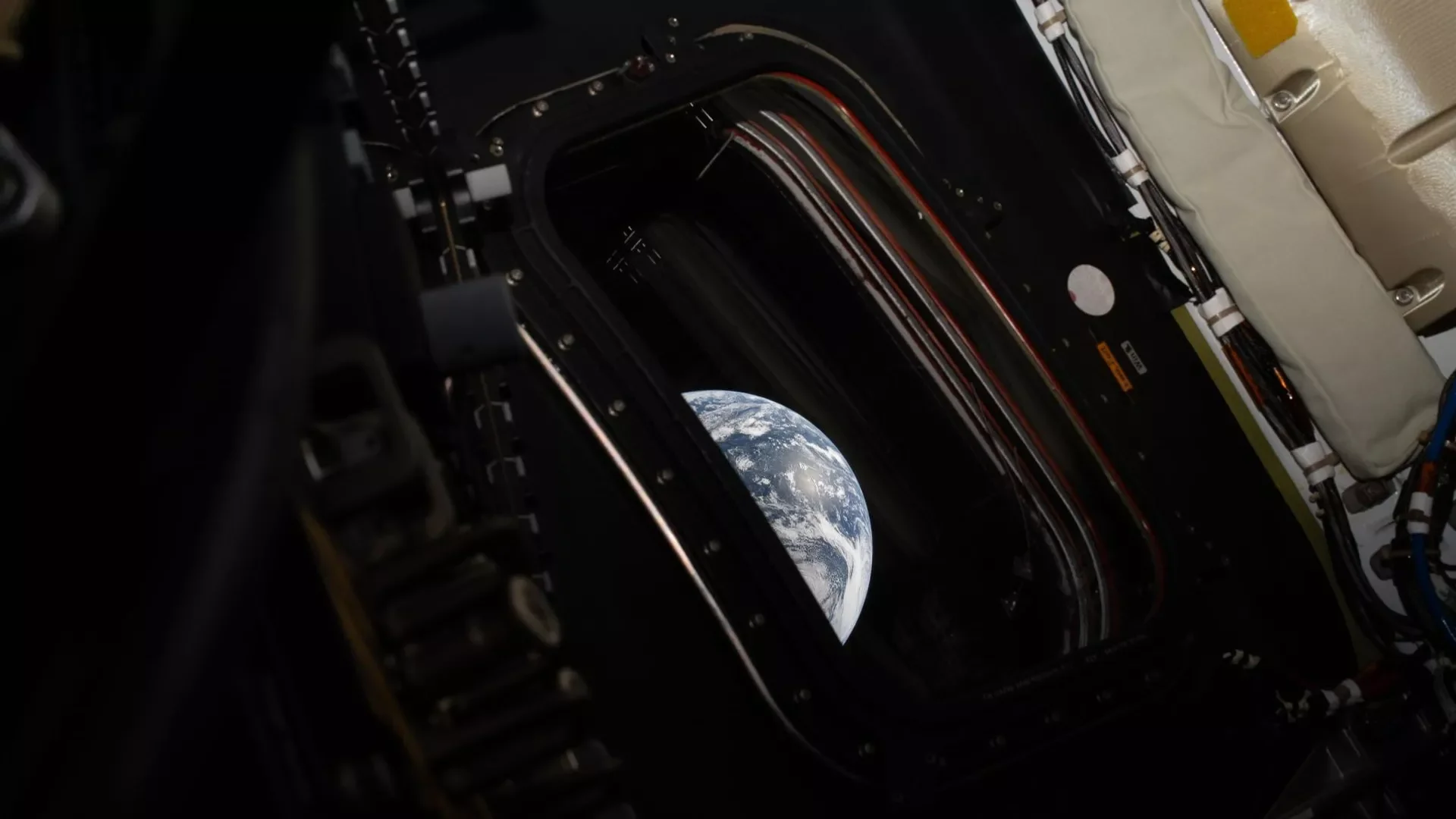
NASA is accelerating preparations for its lunar base project, with plans to invest a total of $20 billion over the next seven years. The agency is actively expanding collaborations with commercial partners to secure a sustainable human presence on the Moon.
According to the Operative Information Center-OMM, the agency announced last month that approximately $1 billion had been allocated for initial unmanned missions under the program. Building on this momentum, NASA has now finalized new contracts with private sector entities to develop advanced lunar landers.
The companies selected for these contracts include Pennsylvania-based Astrobotic, as well as Texas-based firms Firefly Aerospace and Intuitive Machines. Under the terms of the agreements, the budget allocation is as follows: Firefly Aerospace will receive $144.2 million, Intuitive Machines has been awarded $148.3 million, and Astrobotic has been granted $297.9 million to develop two additional landers for 2028 missions. Notably, the total funding allocated to Astrobotic for lunar projects over the past six years has now exceeded $600 million.
These companies are not building the new landers from scratch; instead, they are refining and upgrading technologies utilized in previous space missions. Meanwhile, NASA officials, including program lead Carlos Garcia-Galan, have indicated that an Astrobotic lander mission remains on the schedule for this year, despite various technical challenges across the industry.
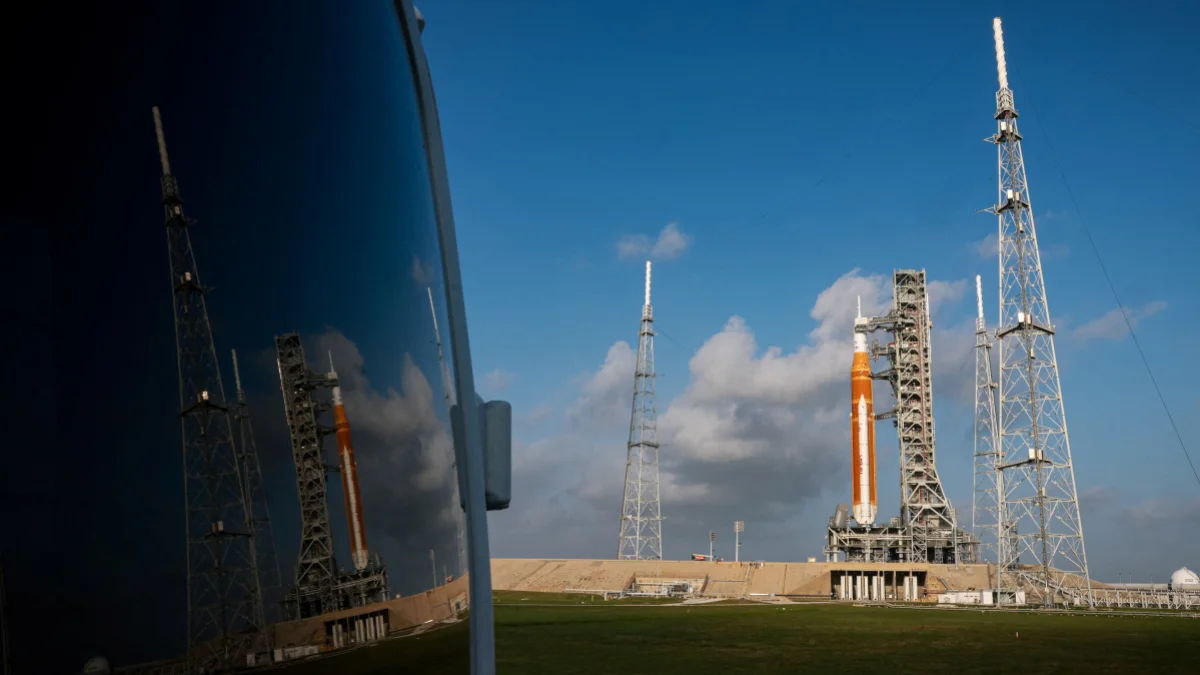
The broader context of lunar exploration involves significant international and commercial interest. NASA’s Artemis program, which aims to return humans to the Moon, relies heavily on these public-private partnerships to reduce costs and foster innovation. Additionally, the agency is exploring repurposing existing robotics, such as the 'Promise' robot currently at the Jet Propulsion Laboratory, for resource exploration at the lunar south pole. Simultaneously, other industry players like Blue Origin are navigating their own development hurdles, with recent engine testing setbacks potentially impacting the timeline for upcoming unmanned lunar missions.