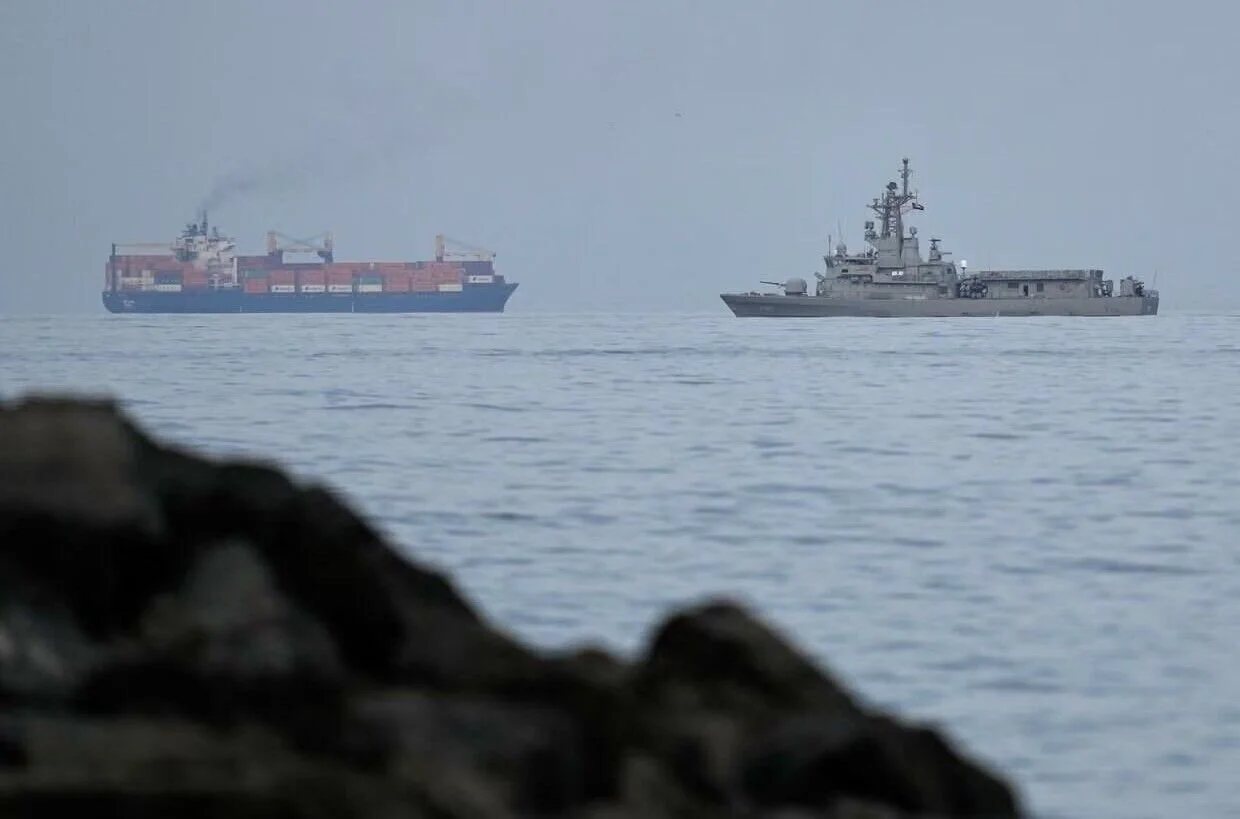
The Persian Gulf Strait Authority (PGSA), the body regulating transit through the Strait of Hormuz, has announced a new decision regarding vessels that fail to comply with maritime regulations.
According to the Operative Information Center-OMM, the PGSA released an official statement on its website confirming that 11 additional vessels have been added to its "blacklist," bringing the total number of restricted ships to 56.
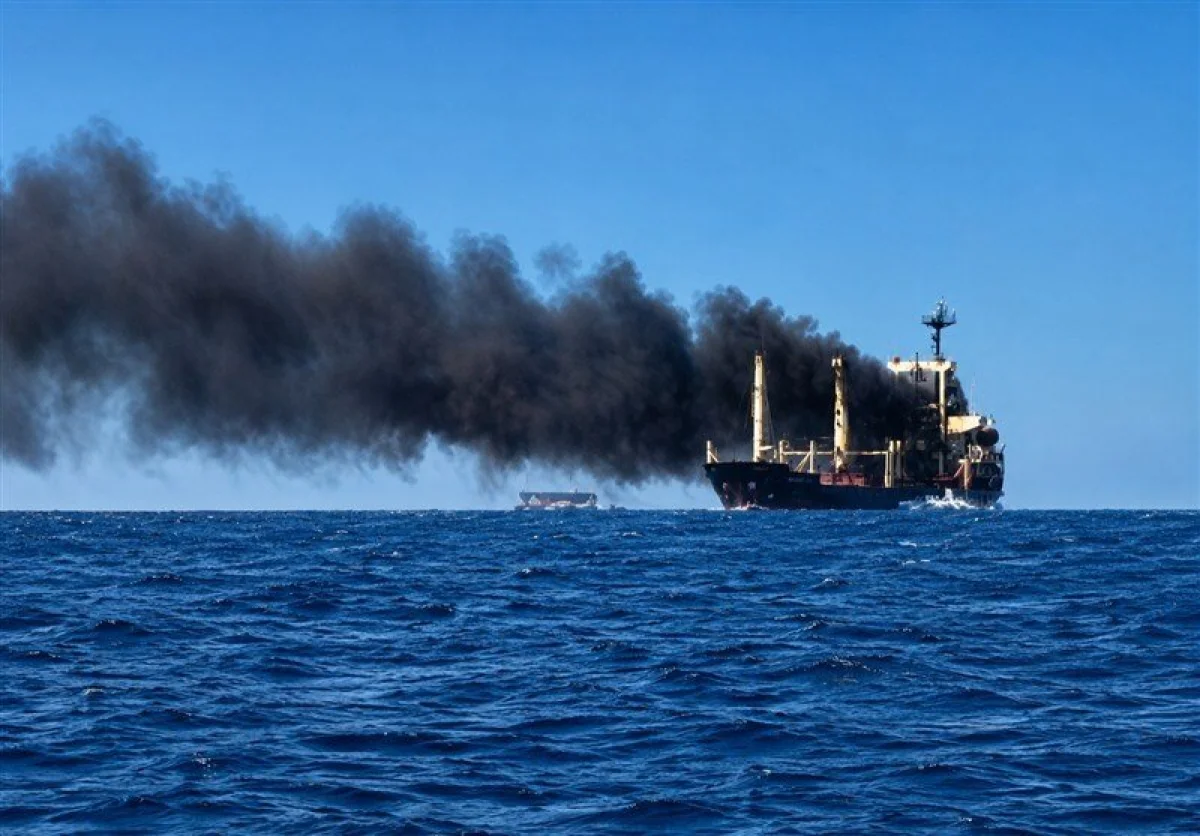
The PGSA emphasized that vessels violating the protocols established by Iran for the Strait of Hormuz will face significant restrictions during future transits. These measures include the imposition of fines, the detention of vessels, or potential confiscation. Furthermore, the authority warned that other vessels collaborating with those on the blacklist may also face penalties.
As of September 2, the updated list includes various types of tankers. Among the affected vessels are those associated with UAE-based ADNOC Logistics and its subsidiary Navig8, as well as ships linked to the Saudi Arabian company Bahri. The list also includes LNG, LPG, and crude oil tankers, including two vessels with ties to China.
This development follows an announcement on August 24, when Iran declared that 45 tankers had been blacklisted. The Tehran administration has taken these steps to tighten control over transit through the Strait of Hormuz amid heightened tensions following incidents involving the US and Israel earlier this year. Despite a tentative agreement reached between Iran and the US in June, disagreements in July led to a renewed tightening of the transit regime through the strategic waterway.
The Strait of Hormuz is one of the world's most critical maritime chokepoints, serving as a vital artery for global energy supplies. Approximately one-fifth of the world's total oil consumption passes through this narrow passage, making any regulatory changes or security escalations in the region a matter of significant international concern for global energy markets.