 Afət Ziyadqızı

Iran is preparing to adjust its military doctrine amid the ongoing standoff with the United States.
The Operative Information Center-OMM reports, citing Reuters, that according to an Iranian official, the failure of diplomatic negotiations could lead Tehran to transition from a defensive posture to a more offensive strategy.
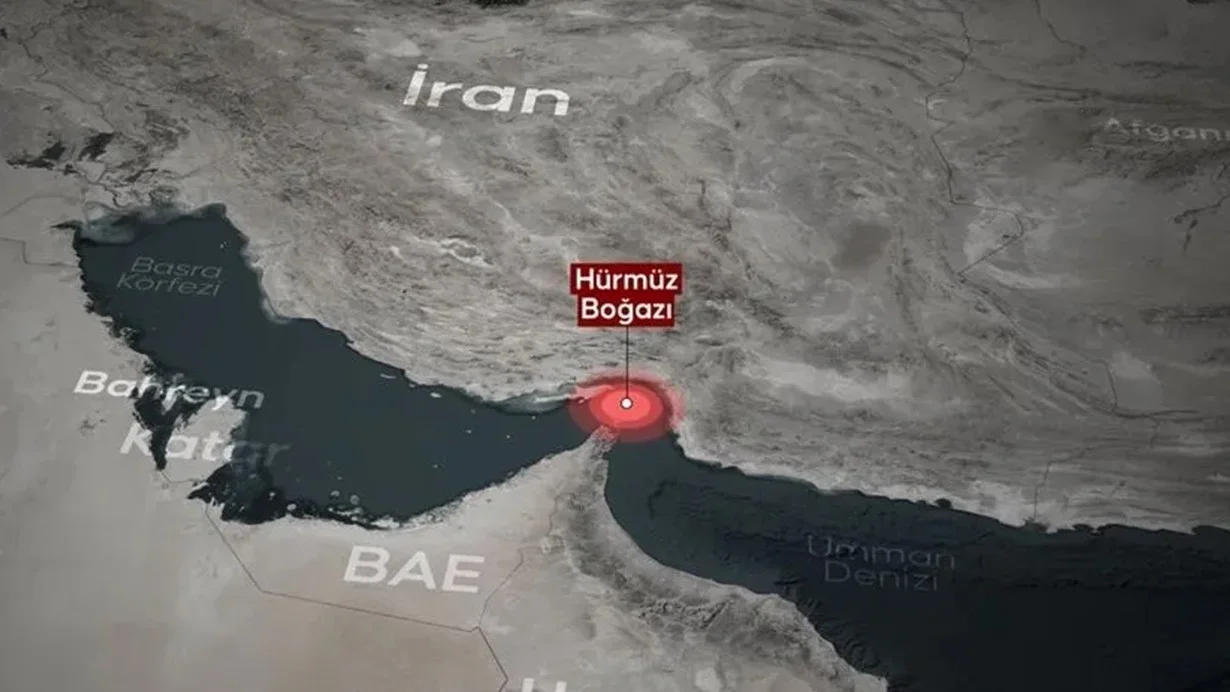
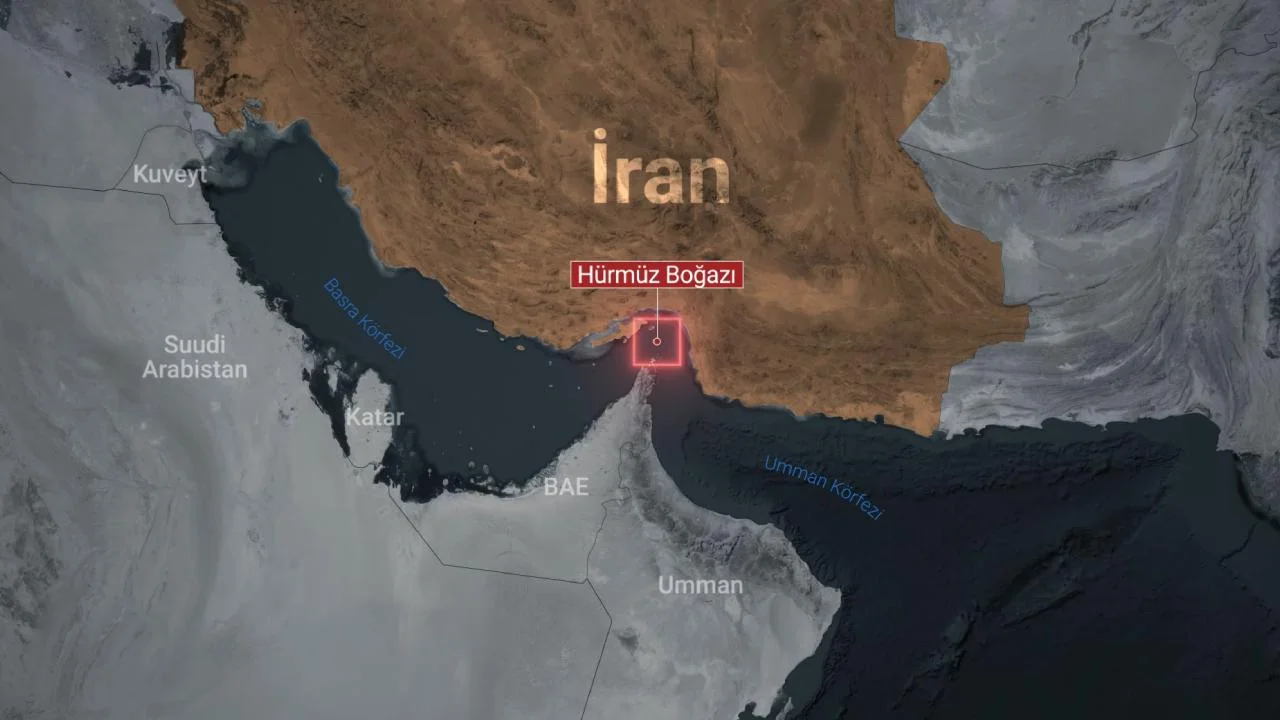
The Iranian side has declared its readiness for further escalation in the Strait of Hormuz and the wider region. Reports suggest that if diplomatic avenues are exhausted, Tehran is considering military strikes to break a potential US naval blockade.
The US side has not yet officially responded to the latest statements from Iranian officials. However, US President Donald Trump, in an interview with Fox News, stated that Iran must surrender. Trump also addressed the potential disruption of shipping in the Strait of Hormuz, threatening to target Oman if it interferes in the process.
Amid rising tensions, it has been announced that an initial agreement has been reached between Iran and Oman regarding the organization of vessel passages through the Strait of Hormuz. Iranian Foreign Ministry spokesperson Esmail Baghaei stated that the parties have reached a preliminary agreement on shipping routes, with work on the final document ongoing. Under the proposed plan, vessels are expected to enter the strait from the Iranian side and exit toward Oman.
Baghaei noted that this agreement is insufficient to fully guarantee security in the strategic waterway. According to him, the full opening of the Strait of Hormuz depends on the US ending its military threats and the naval blockade imposed on ports. Additionally, some reports allege that the commander-in-chief of the Iranian army has placed a $30,000 bounty on the capture or killing of US military personnel. It has not been disclosed whether this information has been independently verified.
The Strait of Hormuz remains one of the world's most critical maritime chokepoints, serving as a vital artery for global energy supplies. Control over this waterway has historically been a central point of geopolitical friction between Iran and Western powers.