The Iranian regime has begun mobilizing children, teenagers, and civilians to gather at power plants and other sensitive strategic facilities to serve as human shields against potential military strikes.
Operative Information Center-OMM reports, citing Iran International, that the Islamic Republic is attempting to increase the political and humanitarian cost of potential precision strikes by the United States and Israel.
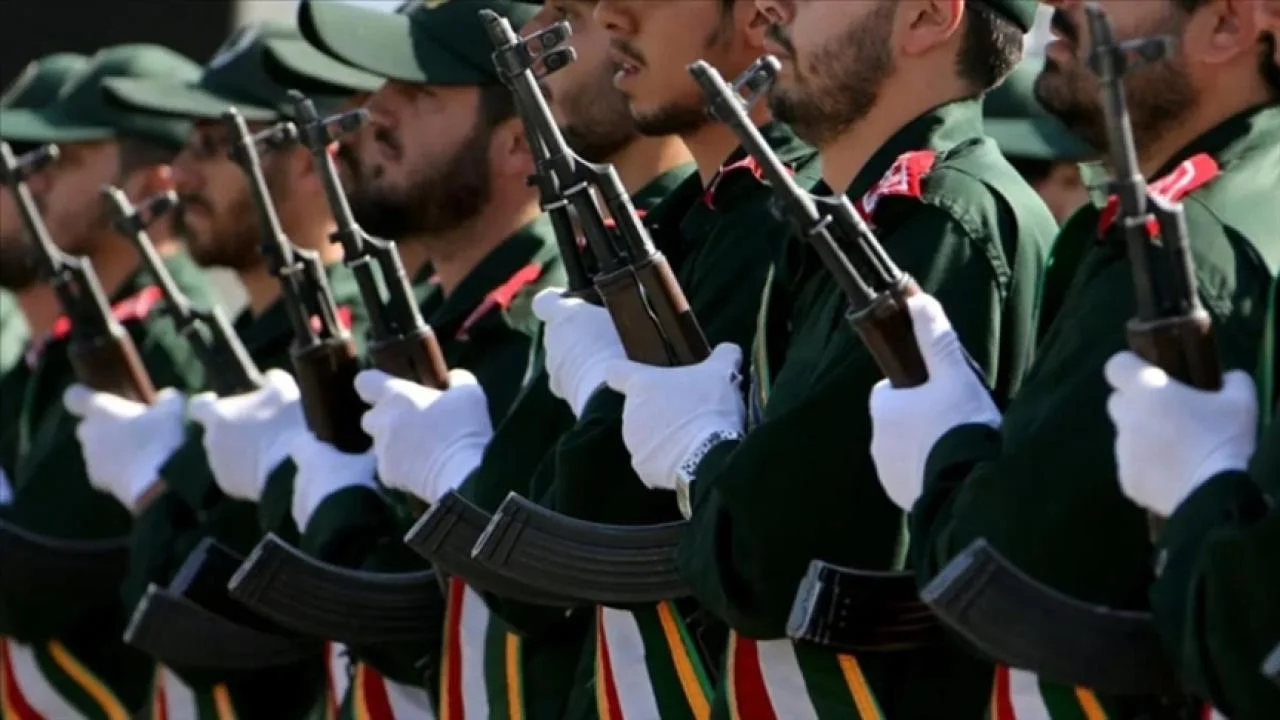
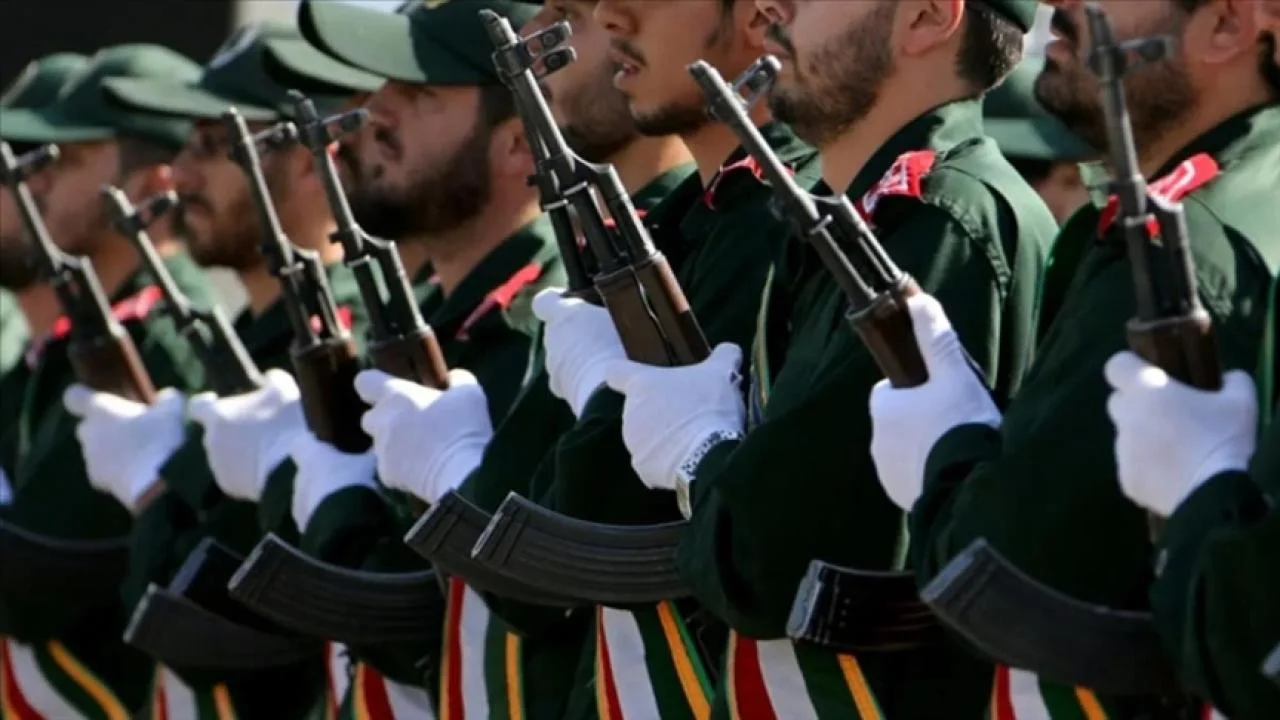
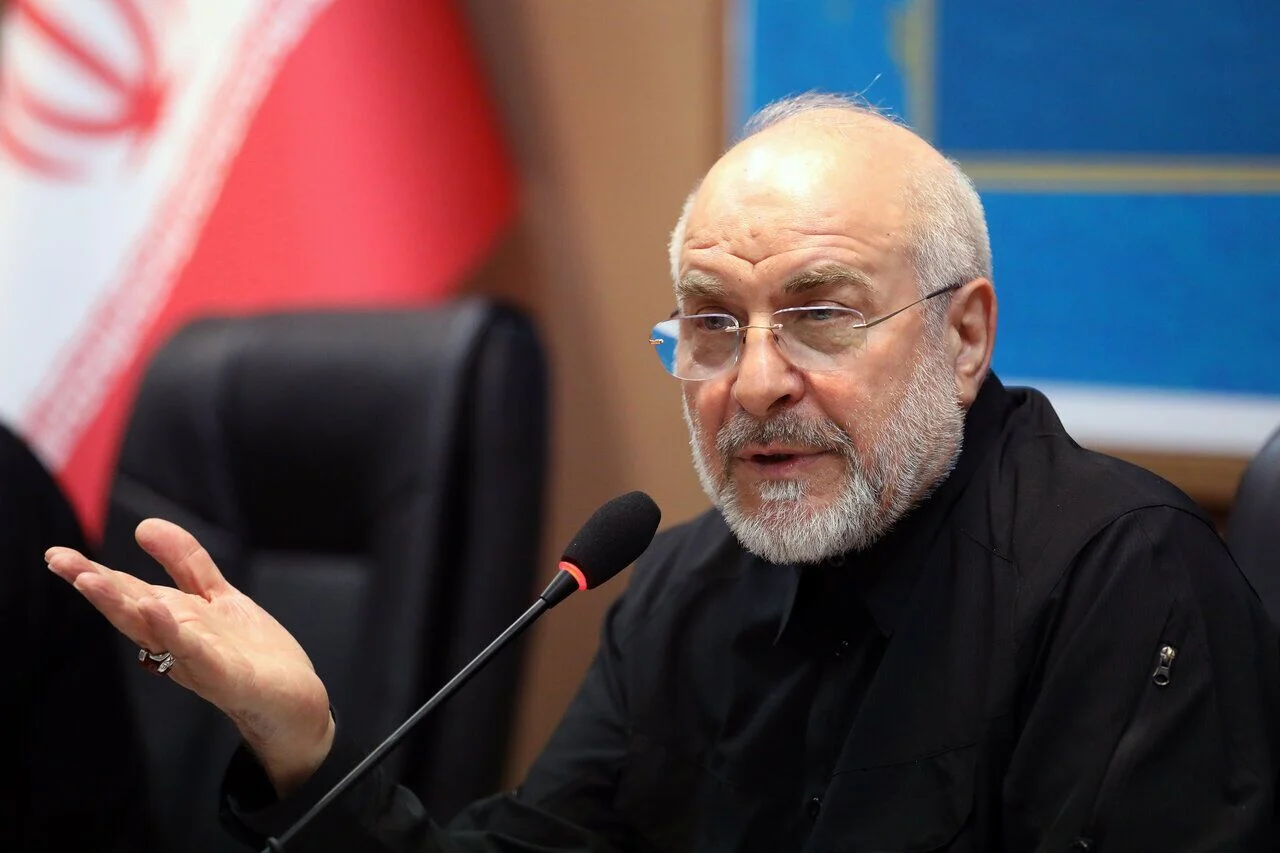
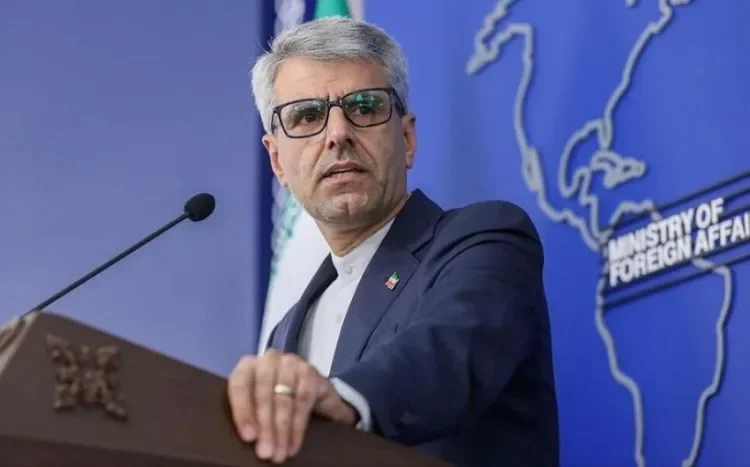
Government and military officials in Iran have publicly called on the population to act as barriers against air strikes. Alireza Rahimi, the Deputy Minister of Youth Affairs at the Ministry of Sports and Youth, urged citizens to gather around the country's power plants on Tuesday, April 8. Furthermore, Hossein Yekta, a commander of the Islamic Revolutionary Guard Corps (IRGC), appeared on Iranian state television to directly appeal to parents, demanding they send their children to sensitive zones. "Send the children to the checkpoints so they can become men," Yekta stated, emphasizing the regime's strategy of utilizing the younger generation during the current crisis.
The strategy has drawn sharp international condemnation. The Christian Activists for Free Iran organization sent an urgent letter to the United Nations, characterizing these actions as a flagrant violation of the Convention on the Rights of the Child and international protocols prohibiting the use of children in armed conflicts. This escalation comes as the deadline set by US President Donald Trump approaches, prompting Tehran to pivot from diplomatic engagement to high-risk tactical maneuvers involving civilian populations.
The use of human shields is a tactic often employed to deter military action by placing non-combatants in harm's way, which is considered a war crime under the Geneva Conventions. As tensions escalate in the Middle East, the international community remains focused on the safety of civilians and the potential for regional instability. Azerbaijan, maintaining its commitment to regional peace and the principles of international law, continues to monitor the security situation near its borders closely.