Since November 10, 2020, 427 people have been victims of landmine explosions in Azerbaijan, with 73 fatalities and 354 individuals sustaining injuries of varying severity. This data highlights the ongoing humanitarian crisis caused by explosive remnants of war in the liberated territories.
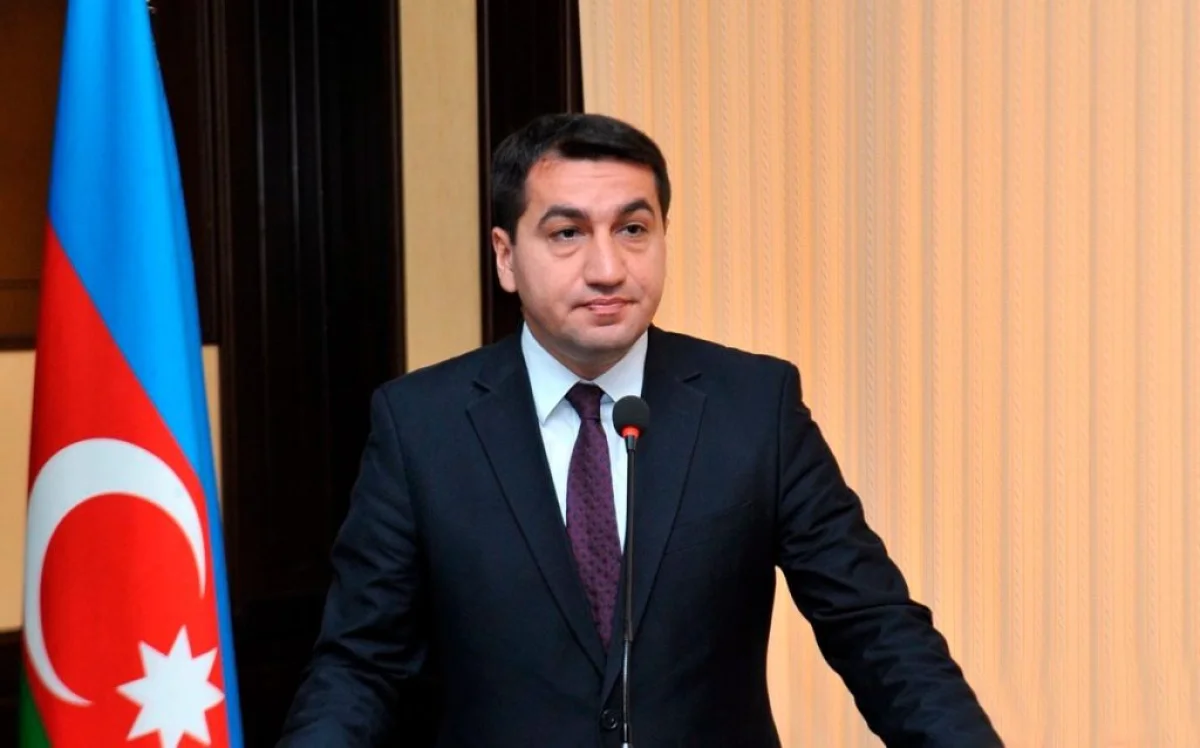
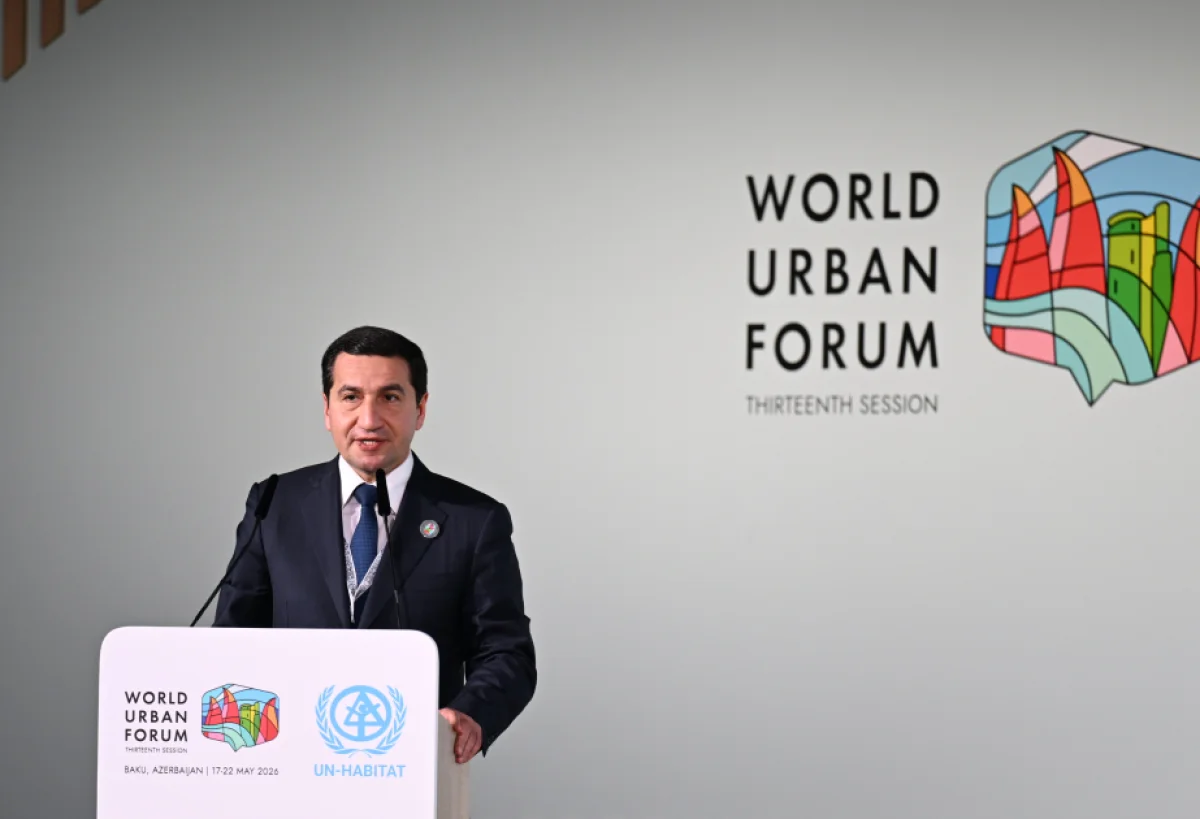
According to the "Operative Information Center-OMM", Hikmat Hajiyev, Assistant to the President of Azerbaijan and Head of the Foreign Policy Affairs Department of the Presidential Administration, shared these figures on his social media account. He emphasized that landmines remain one of the most severe legacies of the Armenia-Azerbaijan conflict, continuing to claim lives long after active military operations have ceased.
Hajiyev provided a breakdown of the casualties, noting that 231 of the victims were civilians. Furthermore, he stated that since 1991, the total number of landmine victims in Azerbaijan has exceeded 3,500, a figure that includes 362 children and young people, as well as 38 women. The Presidential aide stressed that beyond the tragic loss of life, extensive mine contamination poses a significant barrier to the safe return of internally displaced families to their native lands, as well as to the reconstruction, economic development, and agricultural revitalization of the liberated territories.
"Every landmine discovered and neutralized is not only a potentially saved human life but also an important step on the path to restoration and reconstruction. Mine clearance is not just a security issue, but also a humanitarian necessity and one of the fundamental conditions for sustainable recovery and development," Hajiyev added.
The issue of landmines is a critical challenge for Azerbaijan's post-conflict reconstruction efforts. Following the 44-day Patriotic War in 2020, the government launched large-scale demining operations in the liberated Garabagh and East Zangezur regions. Despite these efforts, the density of minefields laid by Armenian forces during the decades of occupation continues to impede the "Great Return" program, which aims to resettle former internally displaced persons into their ancestral homes.