Today marks the 103rd anniversary of the birth of the National Leader of Azerbaijan, Heydar Aliyev.
Operative Information Center-OMM reports that Heydar Alirza oglu Aliyev was born on May 10, 1923, in the city of Nakhchivan, Azerbaijan. After graduating from the Nakhchivan Pedagogical Technical School in 1939, he studied at the architecture faculty of the Azerbaijan Industrial Institute (now the Azerbaijan State Oil and Industry University), though the outbreak of war prevented him from completing his education at that time.
From 1941, Heydar Aliyev served in various administrative roles in the Nakhchivan ASSR before being drafted into the state security organs in 1944. He rose through the ranks of the security system, serving as the Deputy Chairman of the State Security Committee under the Cabinet of Ministers of the Azerbaijan SSR from 1964, and as its Chairman from 1967, attaining the rank of major general. During these years, he received specialized higher education in Leningrad (now St. Petersburg) and graduated from the history faculty of Azerbaijan State University in 1957.
Heydar Aliyev became the leader of the republic in July 1969 after being elected First Secretary of the Central Committee of the Communist Party of Azerbaijan. In December 1982, he was elected a member of the Politburo of the Central Committee of the Communist Party of the Soviet Union and appointed First Deputy Chairman of the USSR Council of Ministers, becoming one of the top leaders of the USSR. He resigned from his posts in October 1987 in protest against the political line pursued by the Politburo and General Secretary Mikhail Gorbachev.
Following the bloody tragedy committed by Soviet troops in Baku on January 20, 1990, Heydar Aliyev visited the Azerbaijani representation in Moscow the next day, demanding the punishment of the organizers and executors of the crime against the Azerbaijani people. In July 1991, he left the ranks of the Communist Party of the Soviet Union in protest against the hypocritical policy of the USSR leadership regarding the conflict in Garabagh. Returning to Azerbaijan in July 1990, he lived in Baku and then Nakhchivan, where he was elected to the Supreme Council of Azerbaijan. Between 1991 and 1993, he served as the Chairman of the Supreme Assembly of the Nakhchivan Autonomous Republic and Deputy Chairman of the Supreme Council of the Republic of Azerbaijan. In 1992, he was elected Chairman of the New Azerbaijan Party at its founding congress in Nakhchivan.
In June 1993, as the country faced the threat of civil war and the loss of independence due to a severe government crisis, the people of Azerbaijan demanded the return of Heydar Aliyev to power. He was elected Chairman of the Supreme Council of Azerbaijan on June 15, 1993, and on July 24, he began exercising the powers of the President of the Republic of Azerbaijan by decision of the Milli Majlis (National Assembly). He was elected President in a national vote on October 3, 1993, and re-elected in 1998 with 76.1 percent of the vote. Due to health issues, he withdrew his candidacy in the 2003 presidential elections.
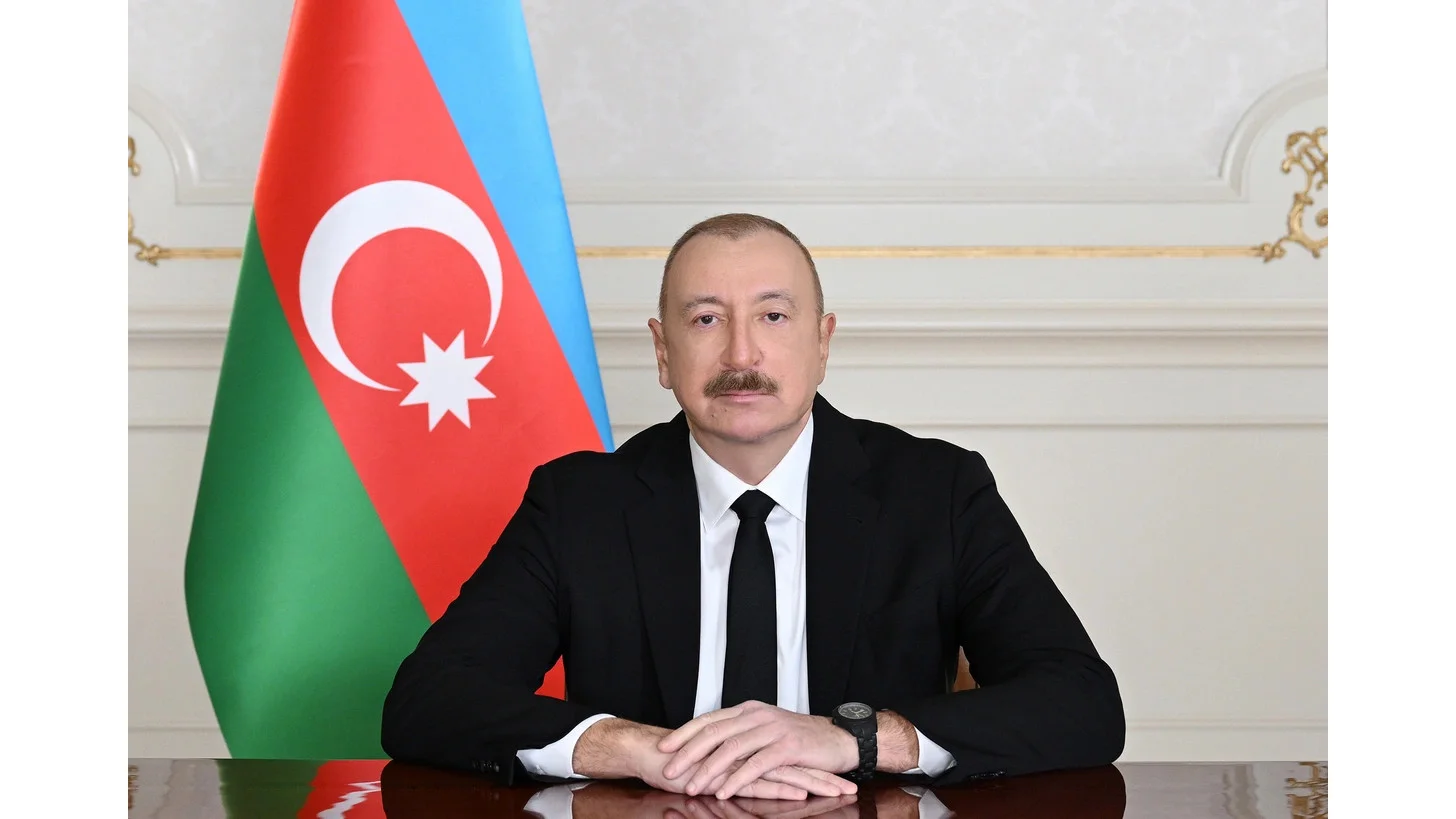
The National Leader of Azerbaijan, President Heydar Aliyev, passed away on December 12, 2003, at the Cleveland Clinic (USA) and was buried in the Alley of Honor in Baku on December 15. His legacy and greatest wish—the liberation of Garabagh and the restoration of territorial integrity—were fulfilled by his successor, President Ilham Aliyev. Following the anti-terror measures in September 2023, the sovereignty of independent Azerbaijan was fully restored as the national flag was raised in Khankendi, Khojaly, and other liberated territories. Currently, large-scale restoration and reconstruction work continues in the liberated Garabagh and East Zangezur regions.