 OMM Redaksiyası

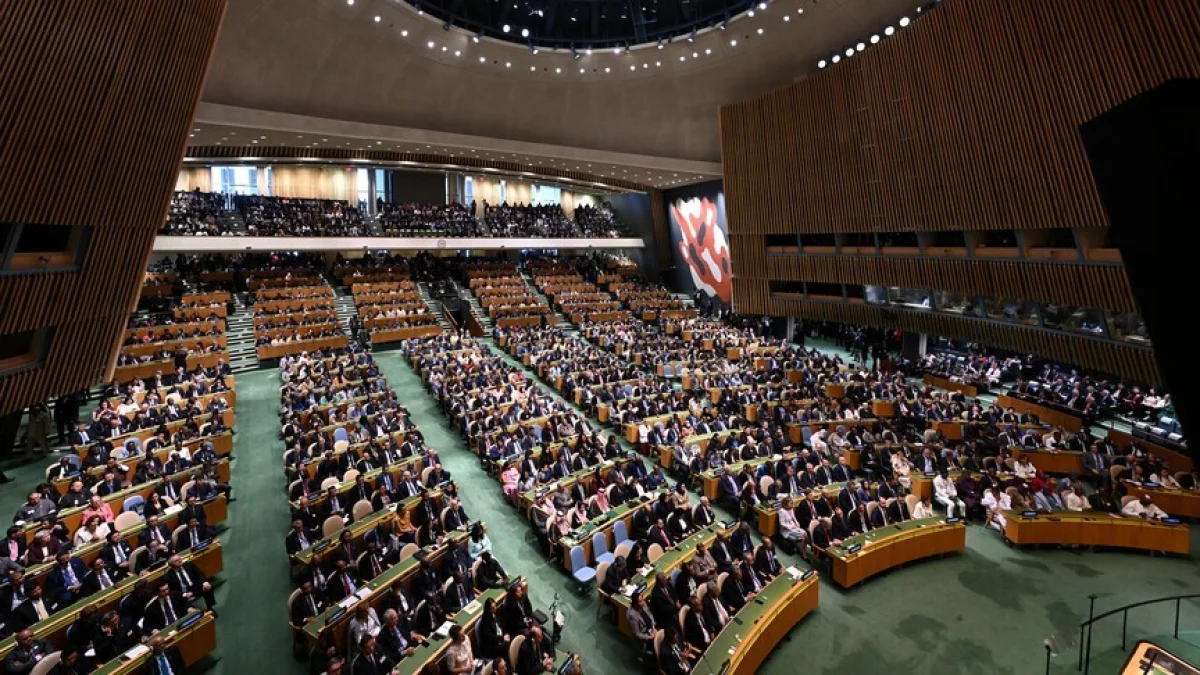
As world leaders gather in New York for the 81st United Nations General Assembly, experts have warned that the organisation is facing an existential crisis involving funding, relevance and paralysis in the Security Council, according to Al Jazeera.
Major conflicts remain unresolved, while countries including the United States and Russia have used their influence and veto powers to block action at the council. Member states are seeking new ways to improve accountability and are also looking for a secretary-general capable of addressing the organisation’s growing challenges.
“The vast majority of leaders, from small states, from middle powers, and even a few from major powers, recognise the importance of a UN that is a global conversation platform,” said Daniel Forti, head of UN Affairs at the International Crisis Group.
Vetoes leave Security Council unable to act
The UN is dealing with conflicts ranging from the war in Ukraine and the conflict in Gaza to crises in Sudan and Myanmar. In Ukraine, the organisation says more civilians were killed during the first eight months of 2026 than in the whole of 2025.
Russia has repeatedly vetoed Security Council resolutions on the war. Ukrainian President Volodymyr Zelenskyy nevertheless addressed the General Assembly for the fifth time since Russia’s full-scale invasion, calling on countries to tighten economic measures against Moscow.
“Many of you here have seen more than once how the abuse of the veto at the UN weakens the world and pushes peace further away,” Zelenskyy said.
In Gaza, the UN has described Israel’s conduct as genocide, while its agencies have struggled to act effectively. Security Council resolutions have repeatedly been vetoed, and UN relief organisations have faced attacks without accountability, the report said.
“From Ukraine, to Gaza, and Sudan, and also with what’s happening now in Iran, the veto problem leaves the UN hamstrung,” said Alanna O’Malley, professor and chair of Global Governance and Wealth at Erasmus University.
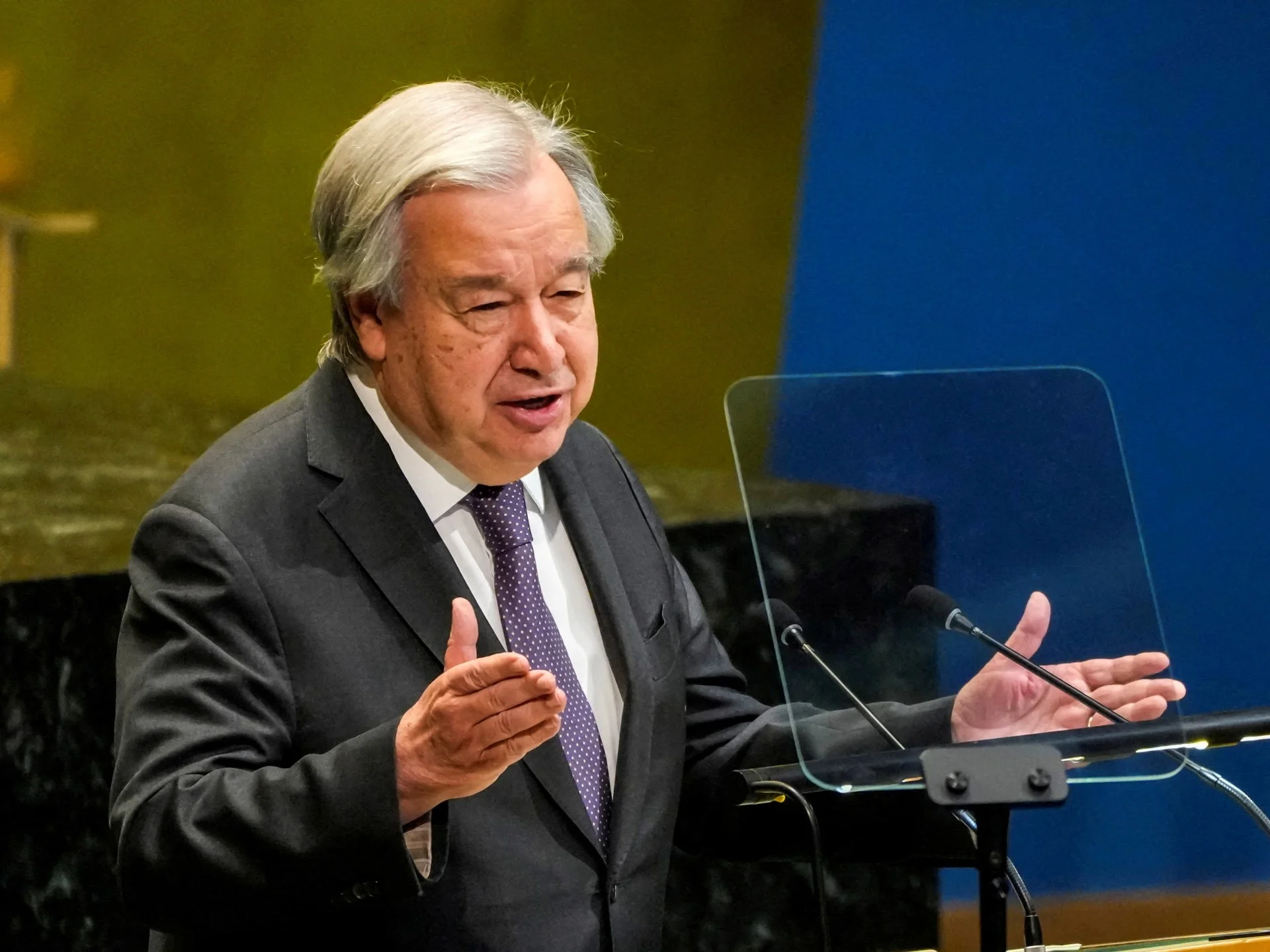
UN Secretary-General Antonio Guterres said the conflicts were producing global humanitarian and economic consequences, including reduced access to food, higher fuel prices and inflation.
Efforts to strengthen accountability
Although the General Assembly is unlikely to broker major agreements on the conflicts, it remains the only forum where all 193 UN member states have equal standing, experts said.
A 1950 resolution allows the General Assembly to debate matters blocked by a Security Council veto. A mechanism introduced in 2022 also requires permanent council members — China, France, Russia, the United Kingdom and the United States — to explain their use of the veto before the assembly.
“The idea is to build more accountability into the system for the P5, to make the veto not just harder to use, but also ensure it uses a lot of political capital,” O’Malley said.
Calls for reform have intensified since 2023, amid the war in Gaza and what O’Malley described as unprecedented majority votes in the General Assembly challenging the Security Council.
Major powers pursue alternatives
The UN is also struggling to remain relevant as major powers increasingly pursue their own initiatives. US President Donald Trump’s administration has promoted a “Board of Peace”, which has secured Security Council approval and claims to assume responsibilities previously handled by UN agencies, including aid distribution and refugee management.
Washington has also imposed sanctions on UN special rapporteurs and organisations such as the International Criminal Court.
China, meanwhile, continues to support the UN but is also seeking alternative forums, including BRICS and the Shanghai Cooperation Organisation. Chinese President Xi Jinping is in the United States this week but is not attending the General Assembly, opting instead for direct talks with Trump.
Guterres said the Security Council’s inability to adopt binding resolutions in major crises was creating an “environment of impunity”, encouraging countries to believe they could act without consequences.
Search begins for a new secretary-general
Guterres’s term ends on December 31, and the Security Council is expected to recommend his successor. A candidate must secure at least nine of the council’s 15 votes and avoid a veto from any of its five permanent members before being put to a General Assembly vote.
Experts say member states want the next secretary-general to focus on preventing wars and respond to criticism that the UN has become expensive and difficult to manage.
“They will have to balance the UN’s diplomatic work, its impact, with financial cuts and racing to the bottom,” Forti said.
The organisation is also facing severe funding difficulties as major donors, including the United States, reduce their contributions. That has made it harder to provide assistance in areas such as the West Bank and Gaza.