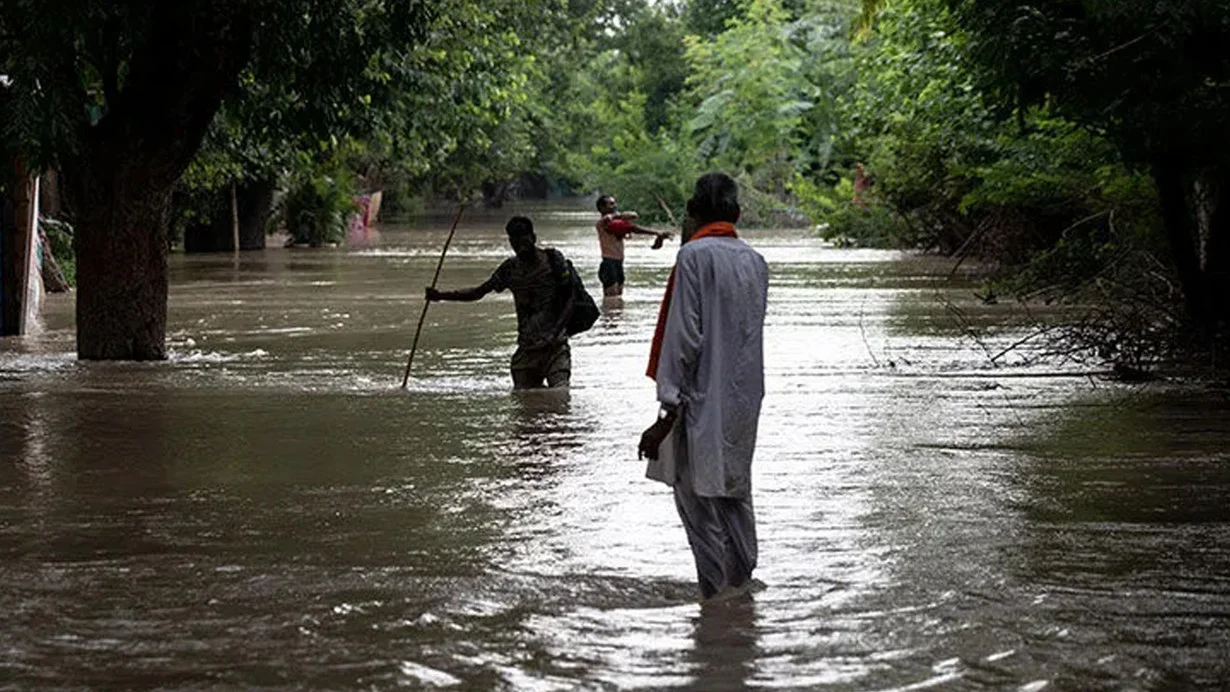
The death toll from heavy monsoon rains and subsequent flooding in Pakistan's Khyber Pakhtunkhwa and Punjab provinces has risen to 37.
According to the Operative Information Center-OMM, citing international media reports, the fatalities are the result of severe weather conditions that have gripped the region since July 19.
Officials stated that the monsoon season has triggered flash floods, landslides, and lightning strikes across Khyber Pakhtunkhwa, Punjab, and the Gilgit-Baltistan region. In Khyber Pakhtunkhwa, 20 people have lost their lives, while 17 fatalities have been recorded in Punjab due to incidents related to the heavy rainfall, including electrocutions and structural collapses.
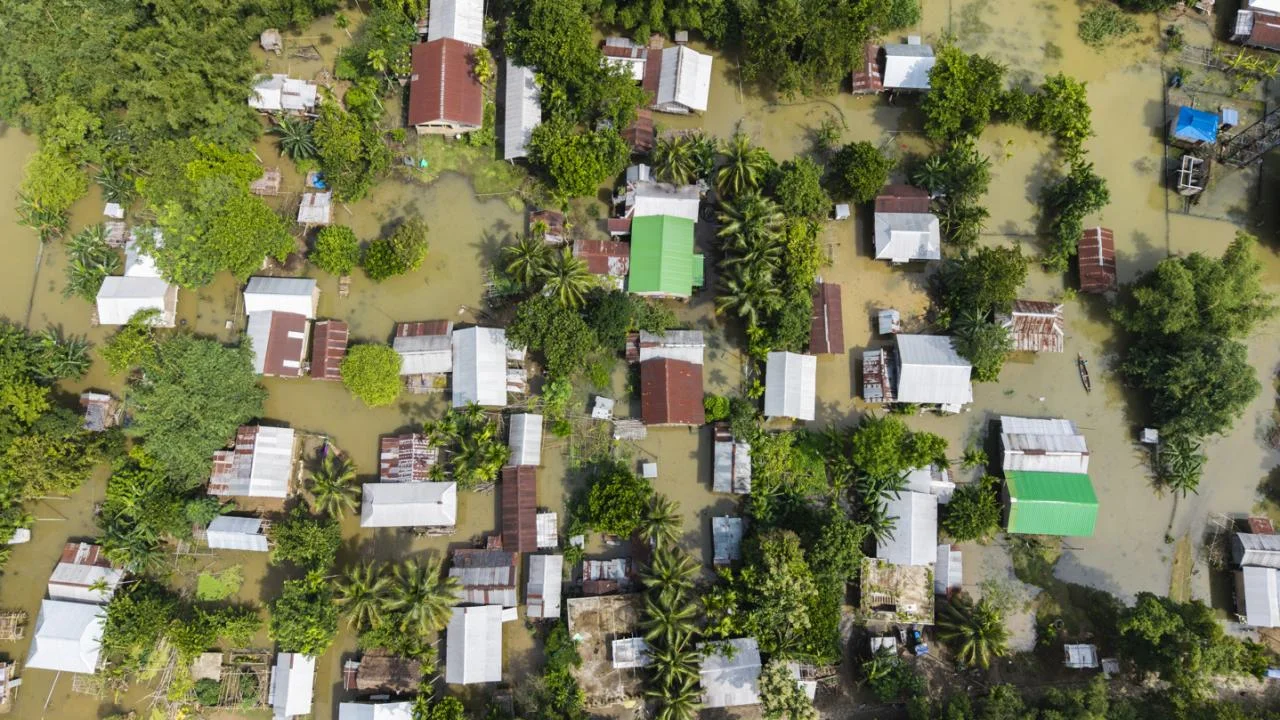
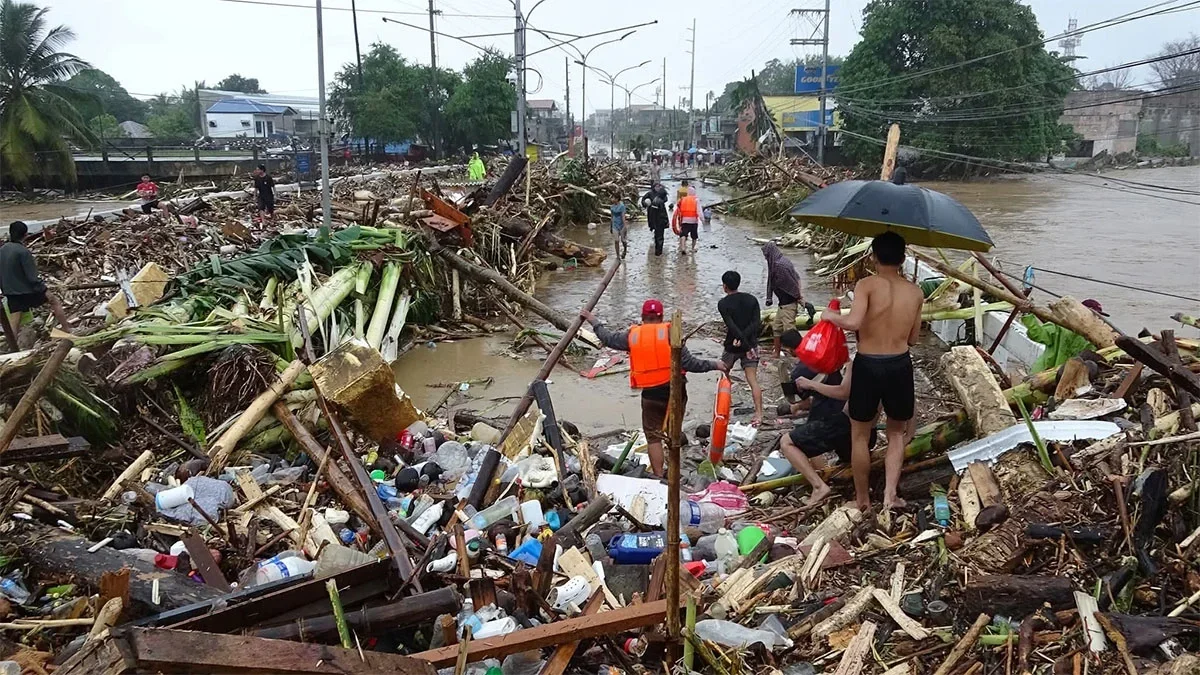
Beyond the loss of life, the severe weather has caused significant damage to infrastructure. In the Gilgit-Baltistan region and areas under Pakistan's administration in Azad Jammu and Kashmir, flash floods and landslides have devastated agricultural lands and destroyed numerous residential homes, leaving many local residents displaced.
Pakistan is historically vulnerable to the monsoon season, which typically runs from June to September. These annual rains are crucial for the country's agriculture and water reservoirs, yet they frequently lead to catastrophic flooding, particularly in low-lying areas and regions with fragile infrastructure, highlighting the ongoing challenges the nation faces regarding climate resilience and disaster management.