A single judge will be able to decide certain civil court cases in Azerbaijan under proposed amendments to the Civil Procedure Code.
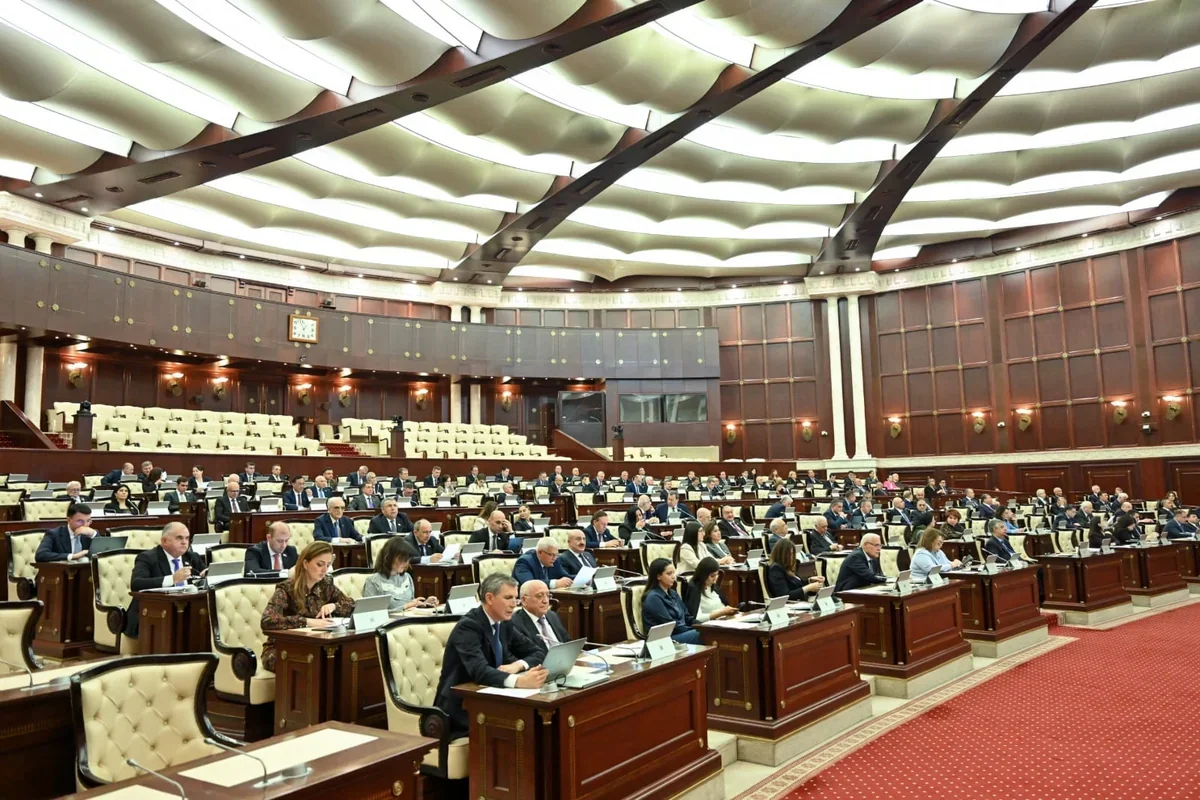
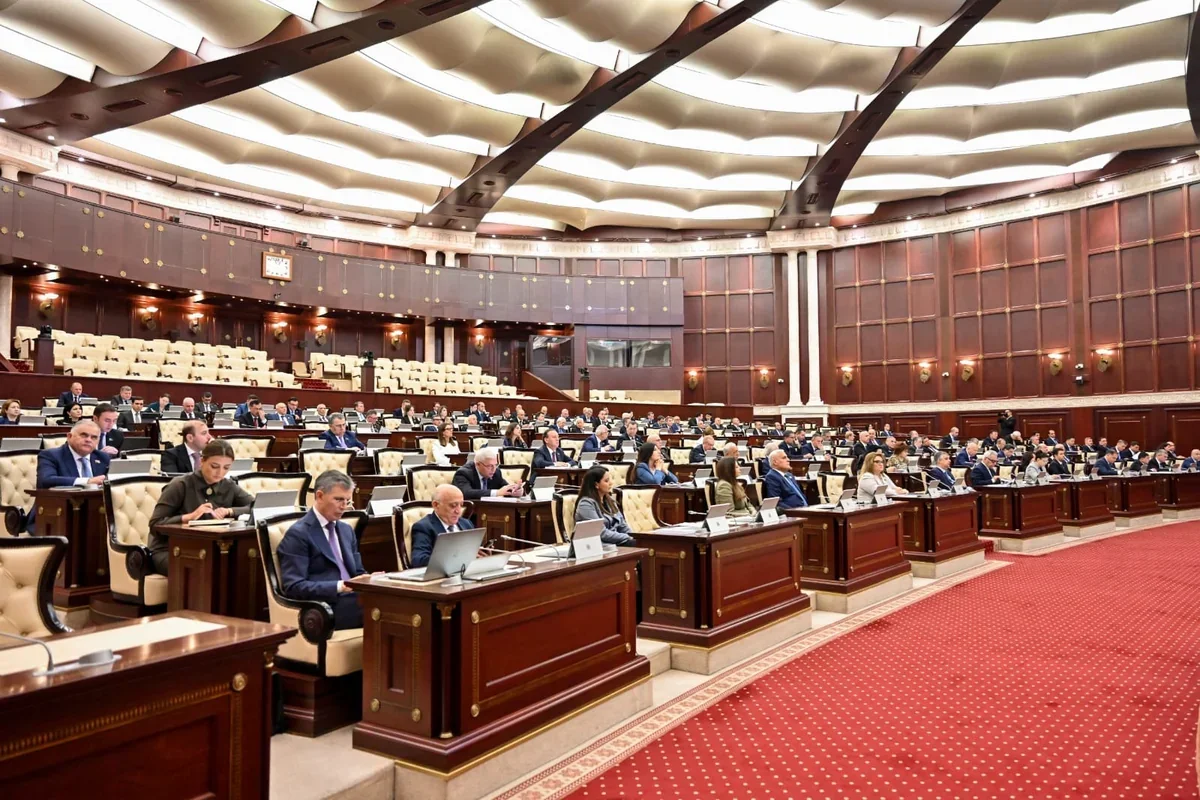
Operative Information Center-OMM reports that the proposal was discussed at today’s meeting of the Milli Majlis (National Assembly) Committee on Legal Policy and State Building.
Under the current legislation, appeals are heard by a panel comprising the presiding judge and two other judges. Cassation cases are heard by the presiding judge and two or more judges.
The draft stipulates that appeals will continue to be heard by the presiding judge, who will also serve as the reporting judge, and two other judges, while cassation cases will be heard by the presiding judge, acting as the reporting judge, and two or more judges. However, appeals against court rulings that do not resolve a case on its merits, as well as appeals against judgments issued in simplified proceedings concerning small claims, will be heard by a single judge.
It was noted that, under the existing legislation, appeals are considered by three-judge panels in courts of appeal. Given the excessive workload of the courts, the proposed amendments would allow a single judge to review, at the appellate stage, rulings that do not resolve cases on their merits and judgments in small-claims cases. This would save time, enable judges to use their working hours more efficiently and allow courts to address matters requiring urgent consideration more quickly.
The amendments also propose expanding the list of cases to be examined through written proceedings under the Civil Procedure Code. These would include applications for restoring procedural deadlines, compulsory enforcement of a court judgment issued by a foreign state, objections by parties to the recognition of a foreign court judgment, and applications for the recognition and enforcement of foreign arbitral awards. The same principles of saving time and ensuring more flexible and efficient court proceedings would apply to these changes.
Written proceedings generally allow courts to decide certain procedural and recognition matters without a full oral hearing, helping streamline judicial review while preserving the parties’ procedural rights.