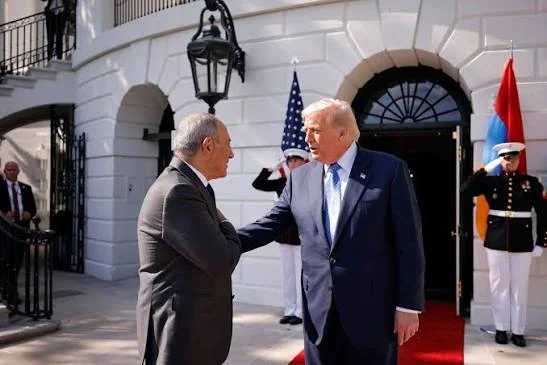
The Foreign Intelligence Service of Armenia has released its annual report, stating that the probability of a military escalation with Azerbaijan in 2026 is "almost impossible." According to the Operative Information Center-OMM, the document highlights that the risk of tension has significantly decreased following the initialing of the peace treaty on August 8, 2025, and the subsequent Washington agreements.
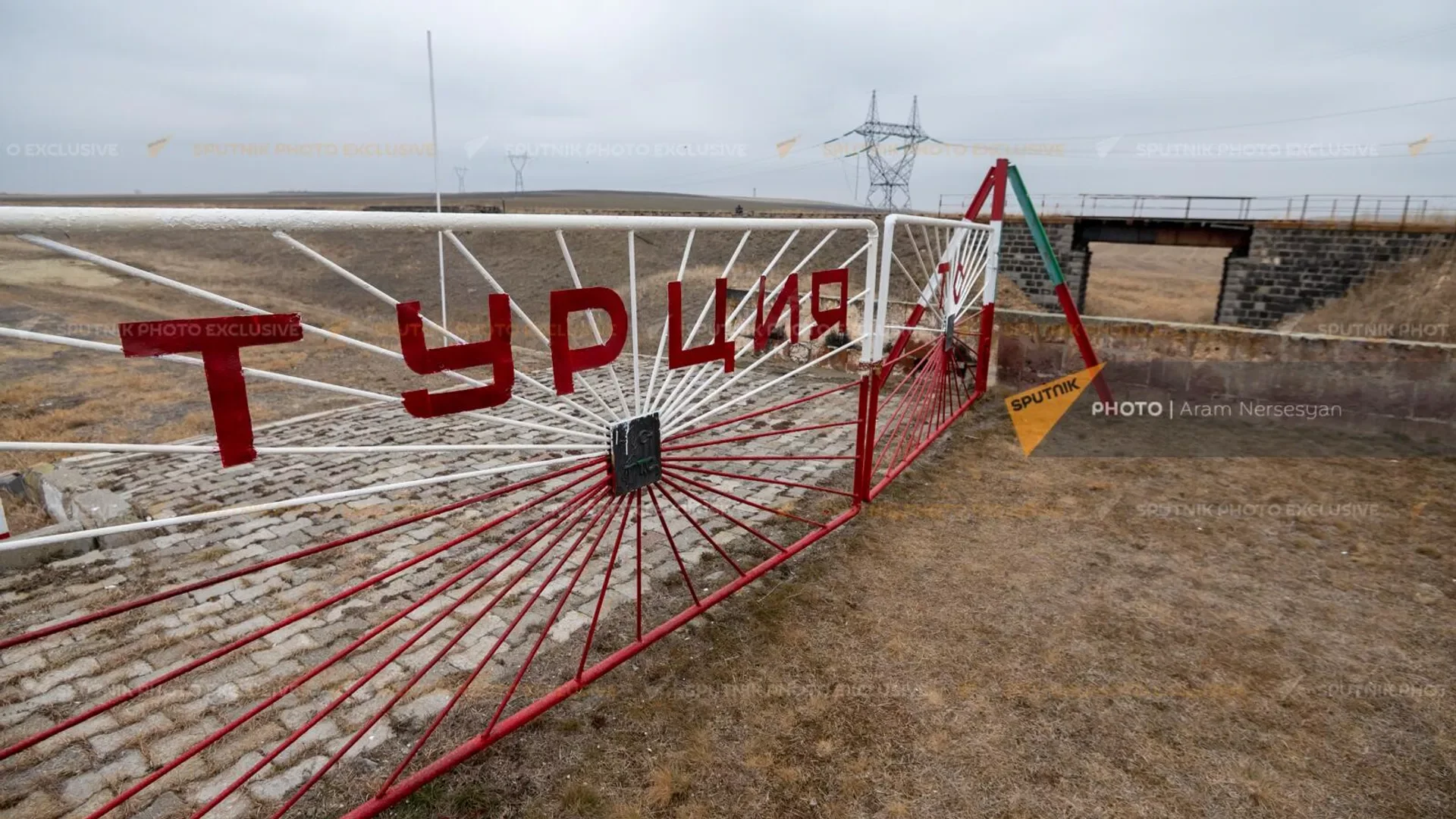
The intelligence agency further assesses the likelihood of local clashes—those not stemming from deliberate military-political intentions—as being exceptionally low. The report forecasts new progress in the delimitation and demarcation of borders, the implementation of trade and economic initiatives, inter-societal dialogue, and the opening of regional communications between the two nations.
Despite the optimistic outlook for 2026, the Armenian intelligence report notes that certain long-term risks remain. The document claims that the concept of "Western Azerbaijan" and the issue of the "return of Western Azerbaijanis" put forward by Baku could negatively impact the peace process in the long run. Additionally, the report mentions the increase in Azerbaijan's military spending, characterizing the growth rate of the defense budget as a risk factor within the context of regional security.
The normalization process between Azerbaijan and Armenia has gained significant momentum following the restoration of Azerbaijan's sovereignty over its entire territory. International mediators, including the United States and the European Union, have consistently supported direct dialogue to ensure lasting stability in the South Caucasus. The ongoing delimitation process is based on the 1991 Alma-Ata Declaration, aimed at finalizing the state borders and fostering a transition from decades of conflict to a new era of regional economic integration.