"The most effective tool Washington has in its struggle against Iran is economic pressure."
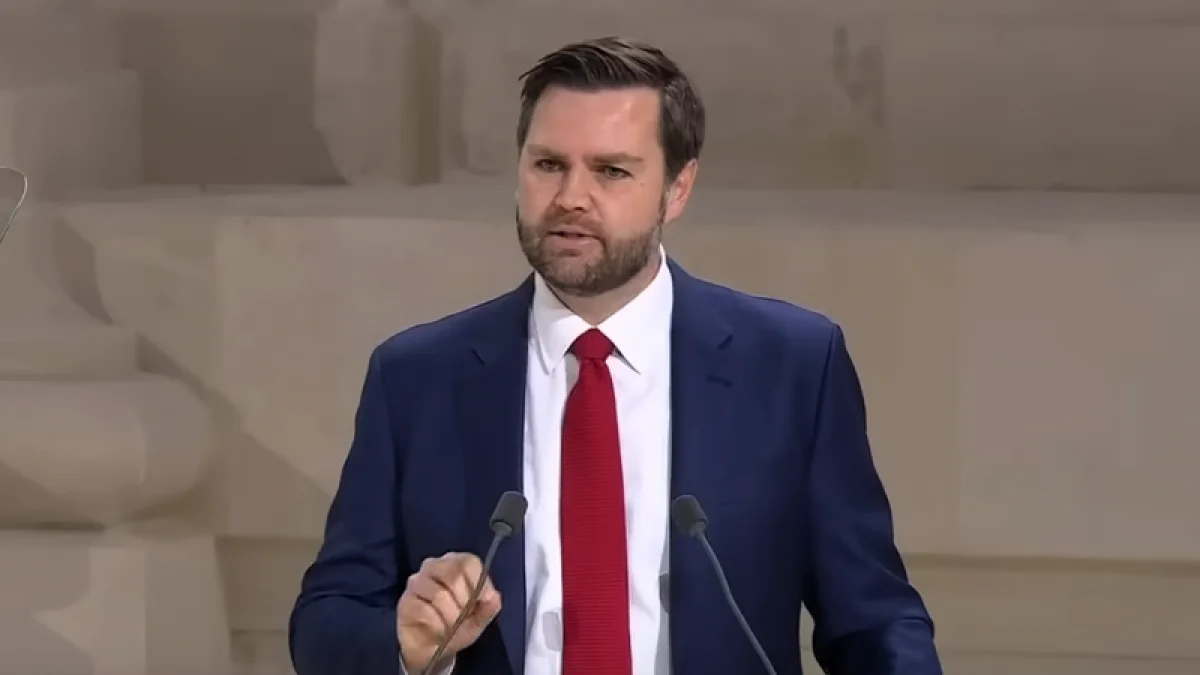
Operative Information Center-OMM reports that this statement was made by US Vice President James David Vance.
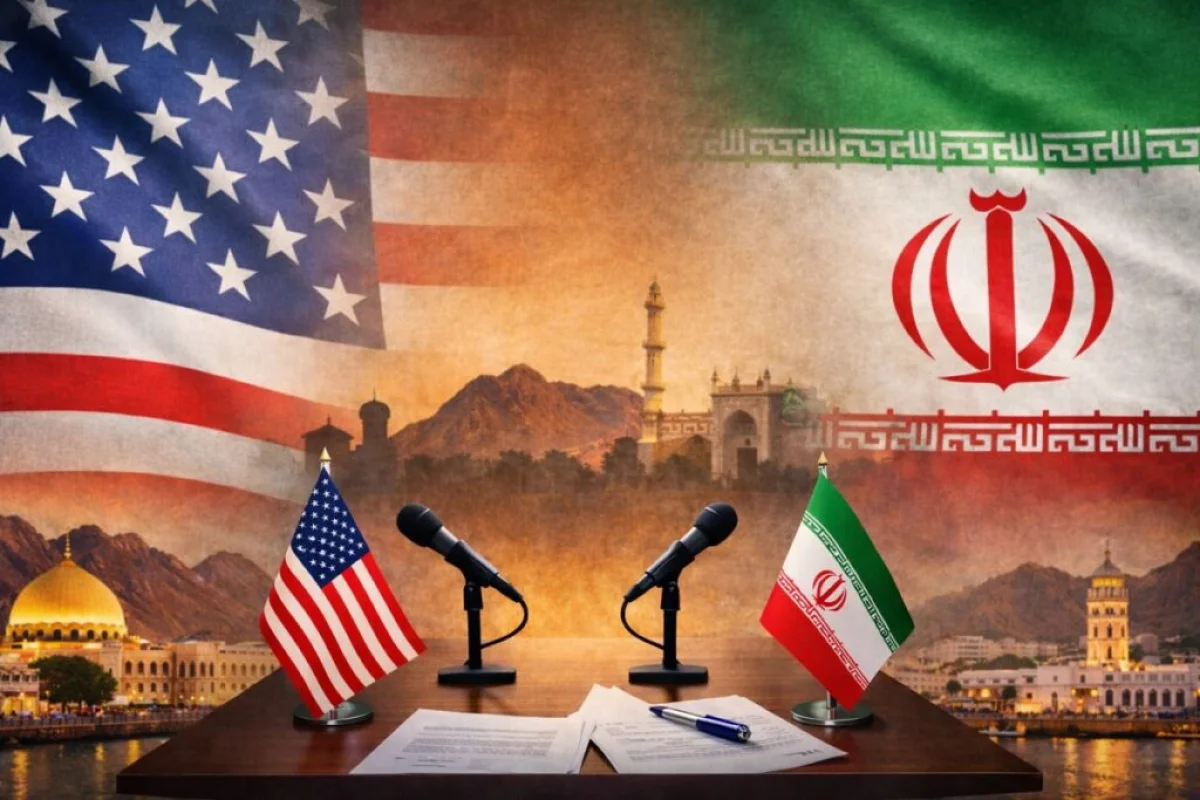
According to Vance, the United States has entered a new phase regarding its Iran policy, with a primary focus on intensifying economic pressure. "Our most effective tool is the economic pressure we can exert on them. This is a sensitive issue because if we apply economic pressure on Iran, they will attempt to exert economic pressure on us in return," Vance stated.
The US Vice President emphasized that the past two weeks have demonstrated that Iran is under significantly greater pressure from the United States than before. He noted that Washington intends to continue this policy, with the primary objective of ensuring that Iran does not acquire nuclear weapons. Vance further claimed that some of Iran's nuclear facilities have already been neutralized.
Addressing concerns about global energy markets, the Vice President acknowledged that the situation with Iran has impacted oil prices, which has been reflected at fuel stations across the United States. However, he noted that current prices remain significantly lower than previous peak levels.
Vance asserted that despite Iran's attacks on commercial vessels, the United States has successfully maintained sufficient oil and gas supplies through the Strait of Hormuz. He explained that while Tehran seeks to restrict operations in the strait, a key priority for Washington is securing energy supplies to keep fuel prices affordable for American citizens.
The Strait of Hormuz is a critical maritime chokepoint, through which a significant portion of the world's liquefied natural gas and oil passes daily. Ensuring the security of this passage remains a cornerstone of US foreign policy in the Middle East, balancing geopolitical containment with the stability of global energy markets.