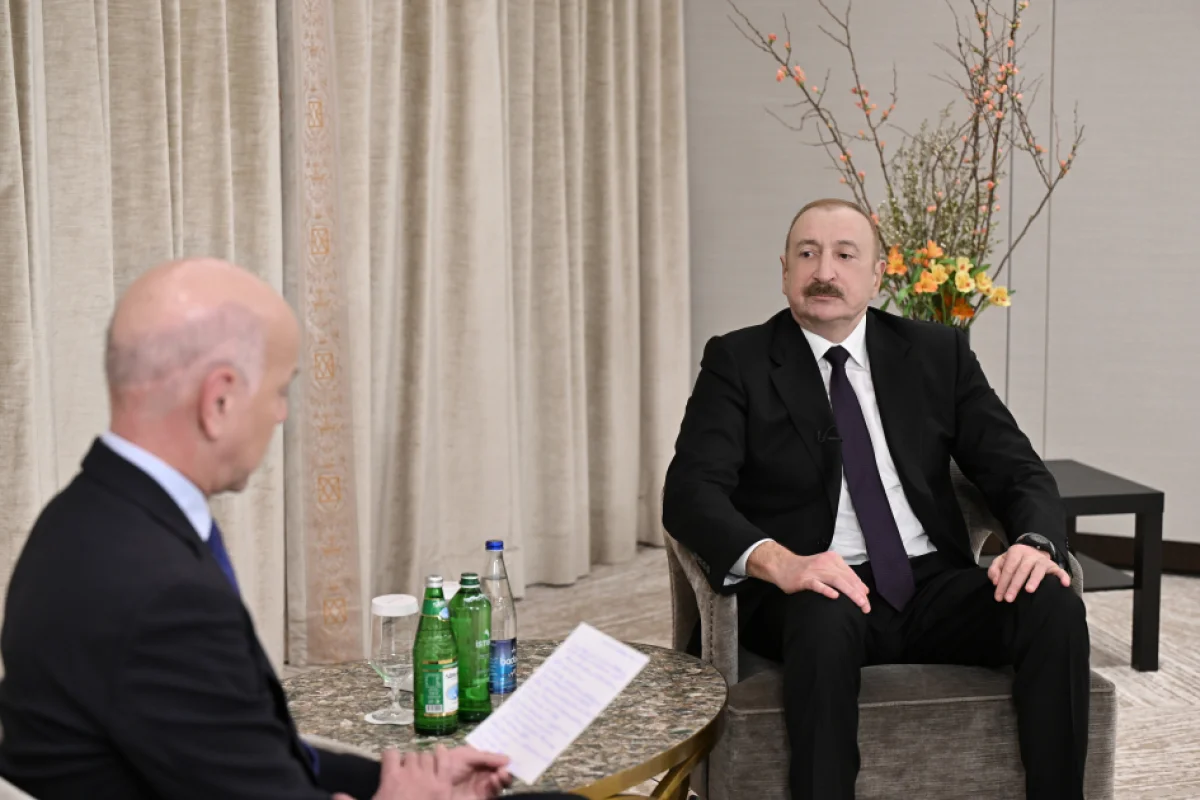
Ukrainian President Volodymyr Zelenskyy has stated that a meeting with Vladimir Putin in Moscow is impossible, suggesting instead that any potential talks take place in the Ukrainian capital. "I can invite him to Kyiv; let him come," Zelenskyy emphasized, addressing the prospects of direct negotiations.
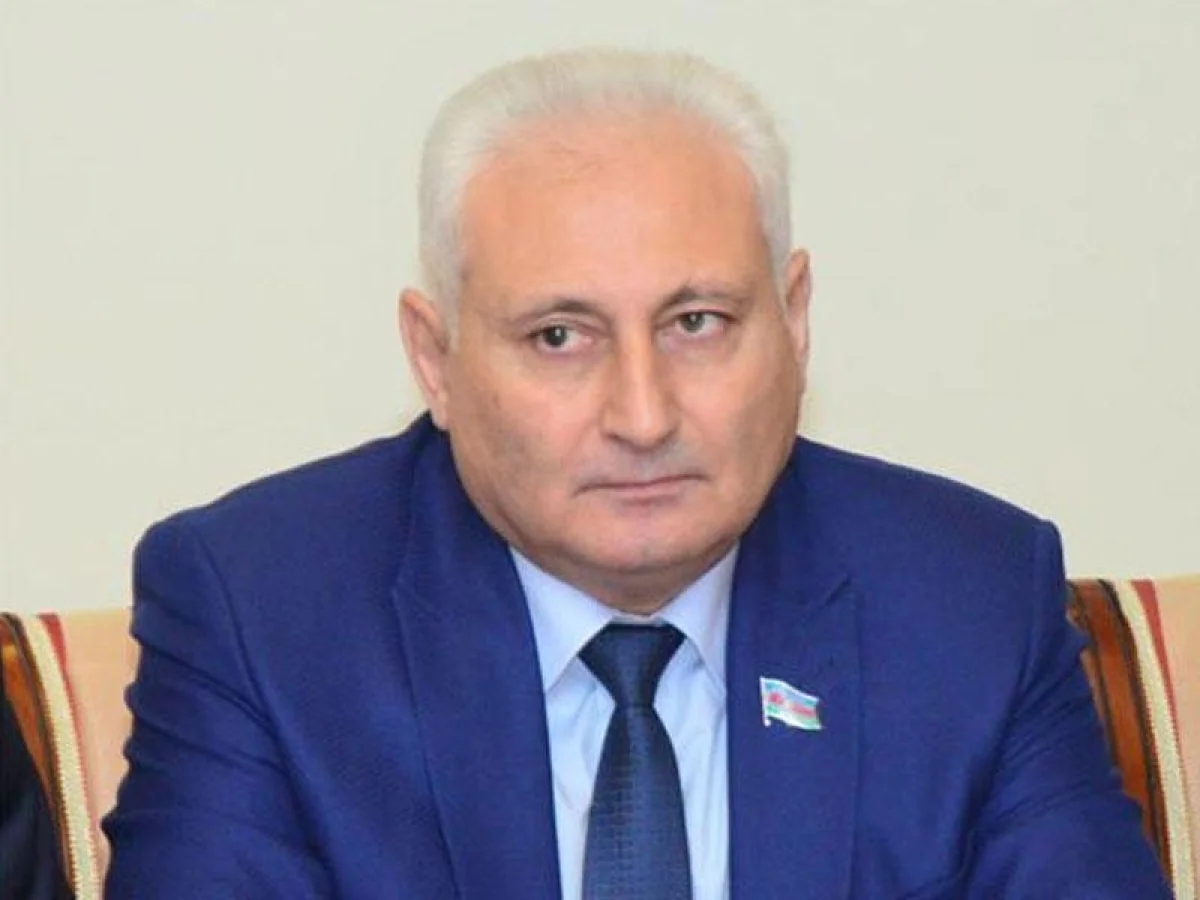
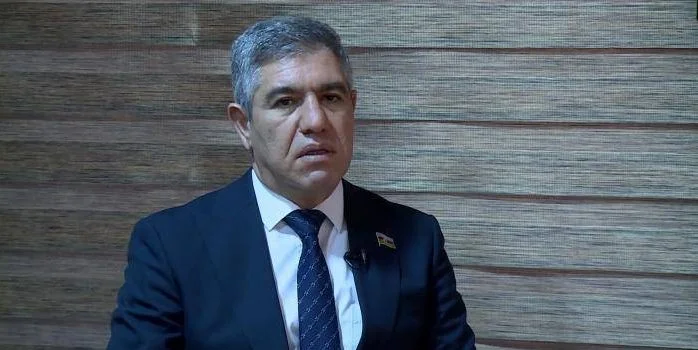
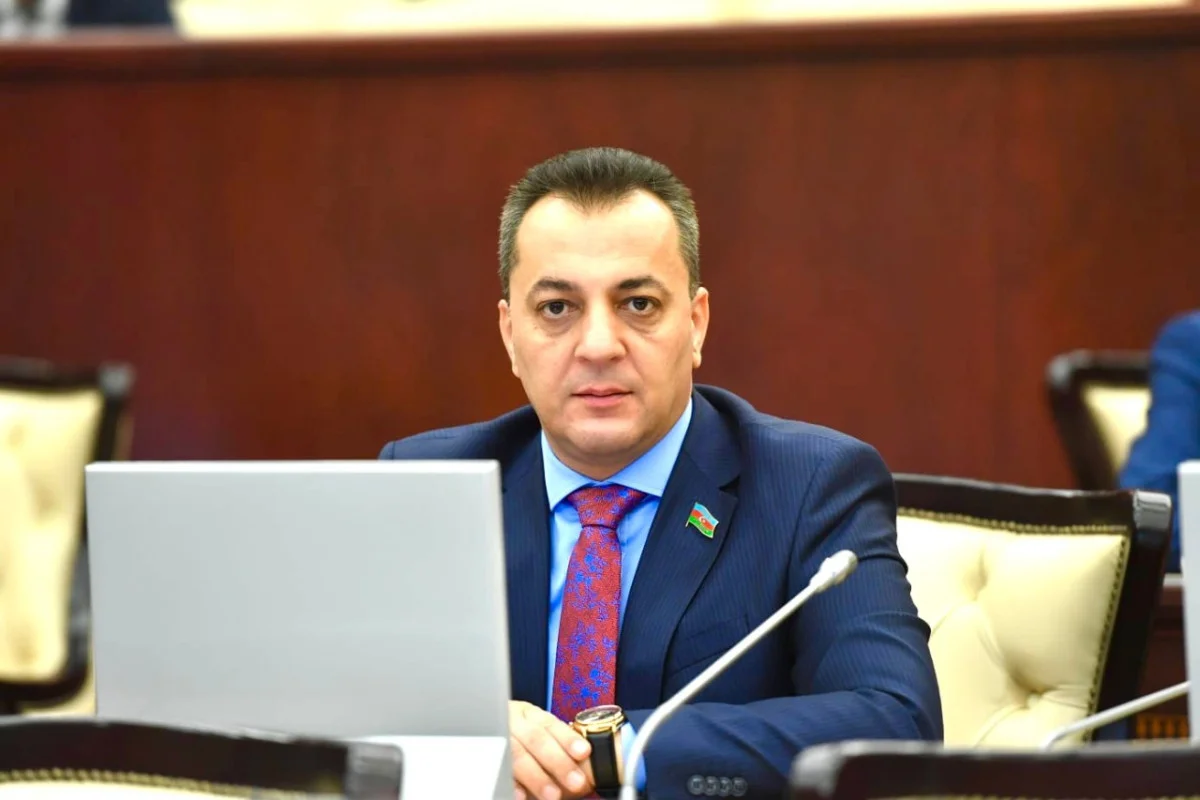
Political analyst Zeynal Amraliyev, in an interview with the Operative Information Center-OMM, noted that the exchange of invitations between the two leaders remains largely symbolic. Amraliyev pointed out that while Putin previously invited Zelenskyy to Moscow, both sides understand that such a meeting is unlikely to materialize under current conditions. Zelenskyy's response to "come to Kyiv" serves as a diplomatic counter-proposal in the ongoing rhetorical standoff.

The analyst further highlighted that despite recent statements from US President Donald Trump regarding a swift resolution to the conflict, no concrete agreement has been reached, and frontline tensions remain high. Russia continues to demand that Ukraine withdraw from the Donbas region, threatening further strikes, while Ukraine maintains a firm stance on its territorial integrity.
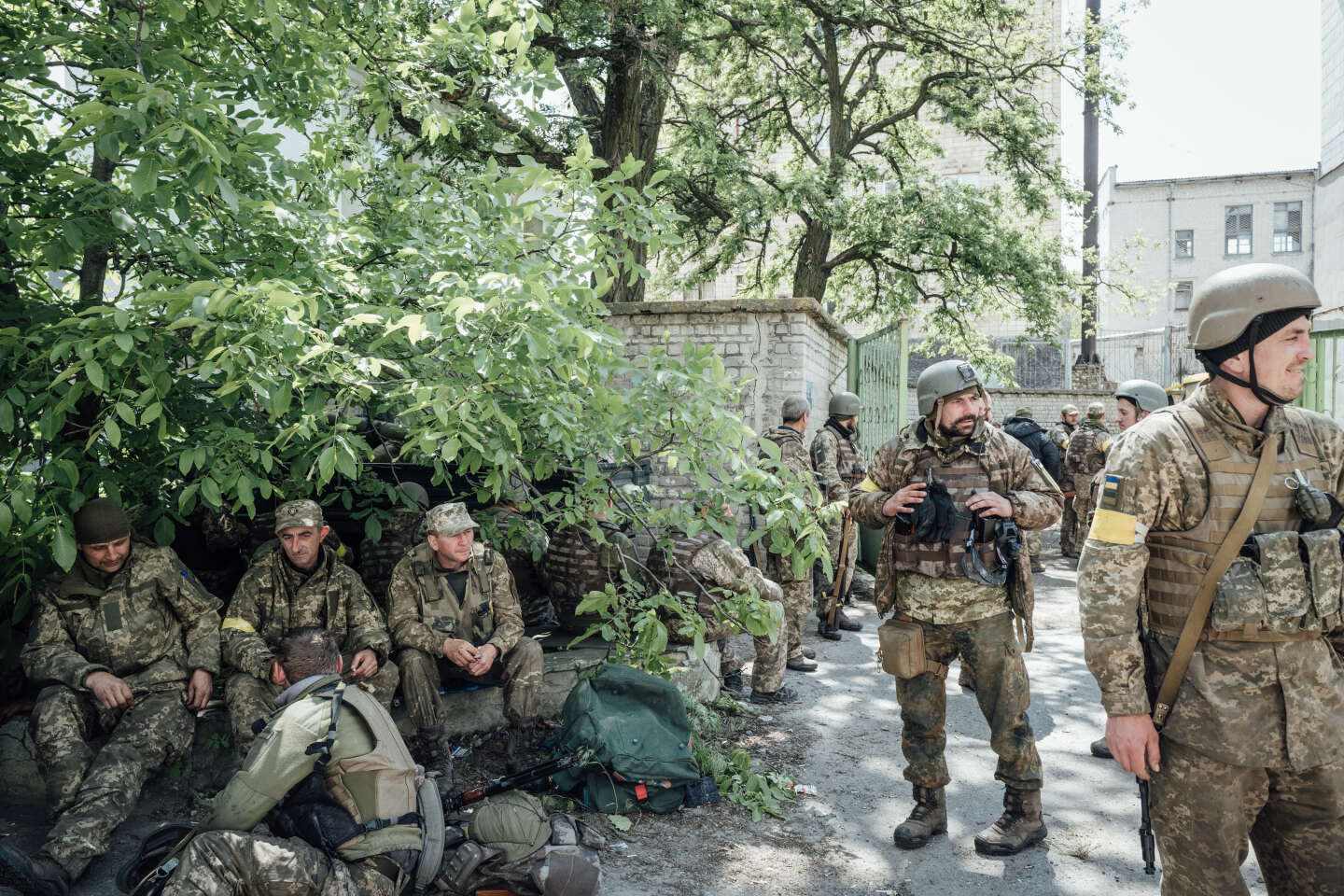
"Ukraine will not abandon its territories recognized by the international community. This is, of course, unacceptable," Amraliyev stated, emphasizing that Kyiv will not compromise on its sovereign borders.
According to the expert, US President Donald Trump is intensifying efforts to end the war to shift Washington's strategic focus toward Iran. Other geopolitical factors, including the potential management of Ukraine's mineral resources and the dynamics of Russia-China relations, are also influencing the peace process. However, Amraliyev believes a ceasefire is currently out of reach because Russia insists on the full surrender of Donbas as a prerequisite for talks.
The ongoing conflict, which escalated significantly in February 2022, has seen various international mediation efforts fail to secure a lasting peace. Azerbaijan, maintaining its principled position on territorial integrity and international law, has consistently advocated for a diplomatic solution within the framework of sovereign borders. The involvement of the United States under the administration of US President Donald Trump marks a new phase in global diplomatic pressure to reach a settlement in Eastern Europe.