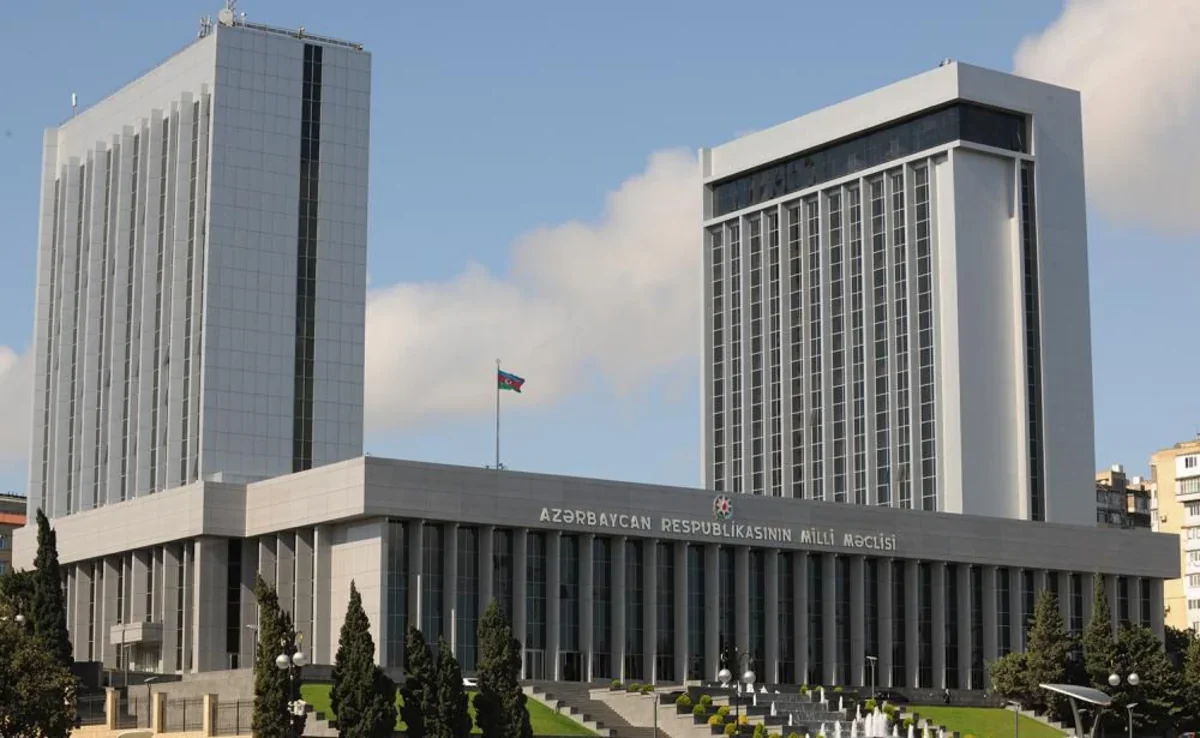
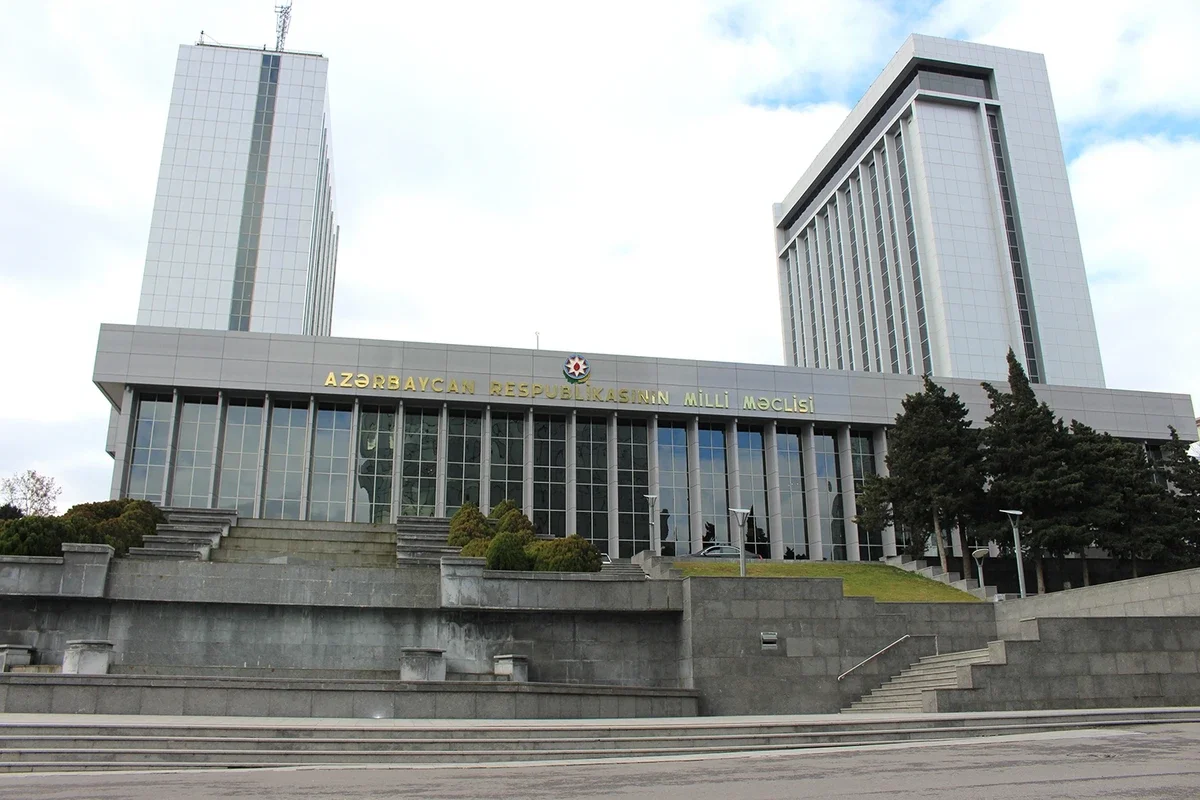
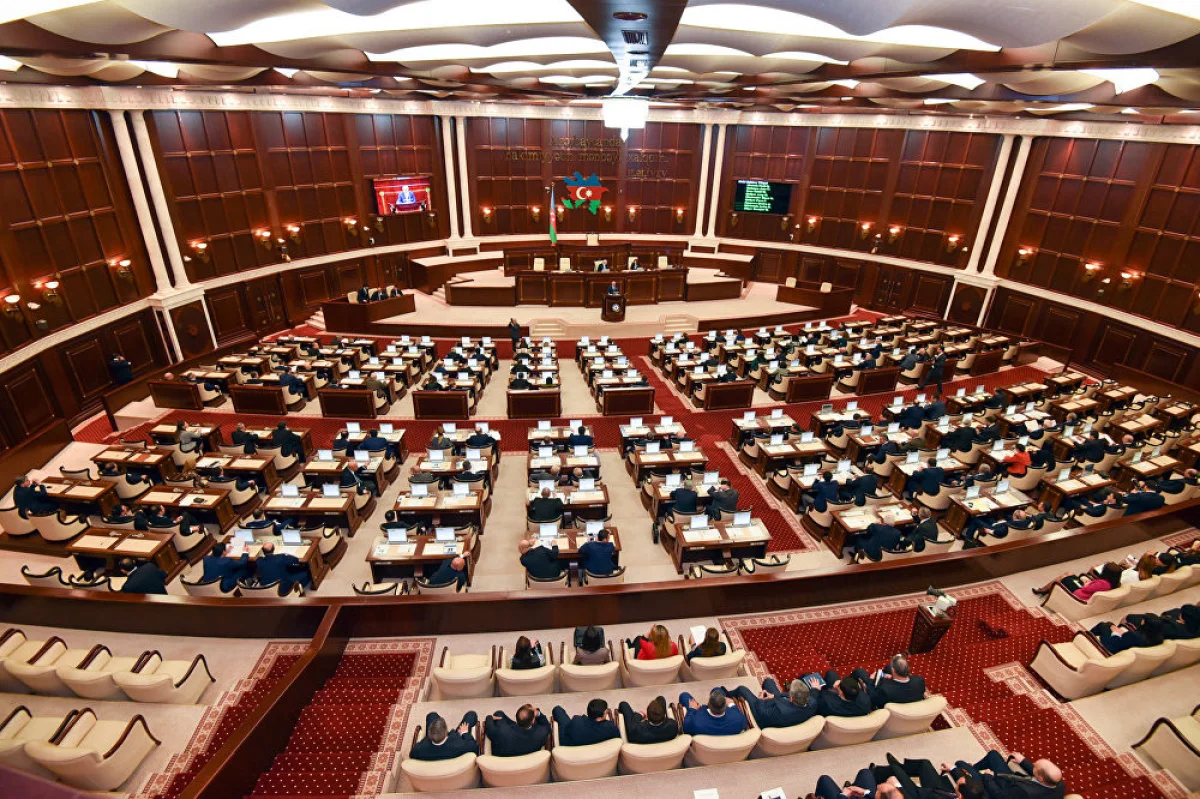
A proposal to draft and discuss a new bill covering the field of education has been put forward in the Milli Majlis (National Assembly). The initiative was voiced during today's meeting of the parliamentary Committee on Science and Education.
According to Operative Information Center-OMM, Member of Parliament Vasif Gafarov stated that the new law must meet the requirements of the modern era, taking into account digitalization processes, integration into the international educational space, and the expansion of academic freedoms.
According to the MP, current legislation does not fully reflect the rapid changes occurring in the education system, and therefore, the new document should be conceptual in nature. He emphasized that the law should form a solid legal basis for conducting systemic educational reforms in Azerbaijan.
Gafarov specifically drew attention to the mechanism for awarding academic degrees, noting that the currently applied two-tier defense system—comprising Doctor of Philosophy (PhD) and Doctor of Sciences stages—does not align with international practice. In his view, the gradual abolition of this mechanism and the possibility of transitioning to a single doctoral degree model should be considered.
The MP added that the two-tier defense mechanism inherited from the Soviet education system is still maintained in Azerbaijan. He recalled that the country has been implementing the European education model for more than 30 years, adopting bachelor's and master's levels. However, he noted that serious questions have arisen regarding the scientific value of master's dissertations, stating that the lack of real contribution to science from these dissertations necessitates a rethinking of the purpose of this stage.
Vasif Gafarov noted that the master's stage in its current form has become a waste of time, proposing the strengthening of scientific preparation at this level and its more effective coordination with the doctoral stage for PhD preparation.
The MP also pointed out that the process of awarding academic degrees and titles currently consists of four stages, which take years of a researcher's life. According to him, in some cases, this process extends to 8–10 years, resulting in scientists completing the main stages of their academic careers close to retirement age. In contrast, international practice considers it the norm for scientists to complete their academic formation by age 40–45 and contribute to science and education as professors in the subsequent stage.
Gafarov stated that the multiplicity of academic tiers and complex bureaucratic procedures in Azerbaijan hinder the development of science, making it essential to eliminate these problems through the new draft law on education.
Context of Educational Reforms in Azerbaijan
Azerbaijan has been steadily working to align its national education system with global standards since joining the Bologna Process in 2005. The Ministry of Education and Science has prioritized the internationalization of higher education and the improvement of quality assurance mechanisms to enhance the competitiveness of local graduates. Recent initiatives in the capital, Baku, and across the Republic have focused on vocational training, digital literacy, and the establishment of STEAM centers to prepare the workforce for the fourth industrial revolution.