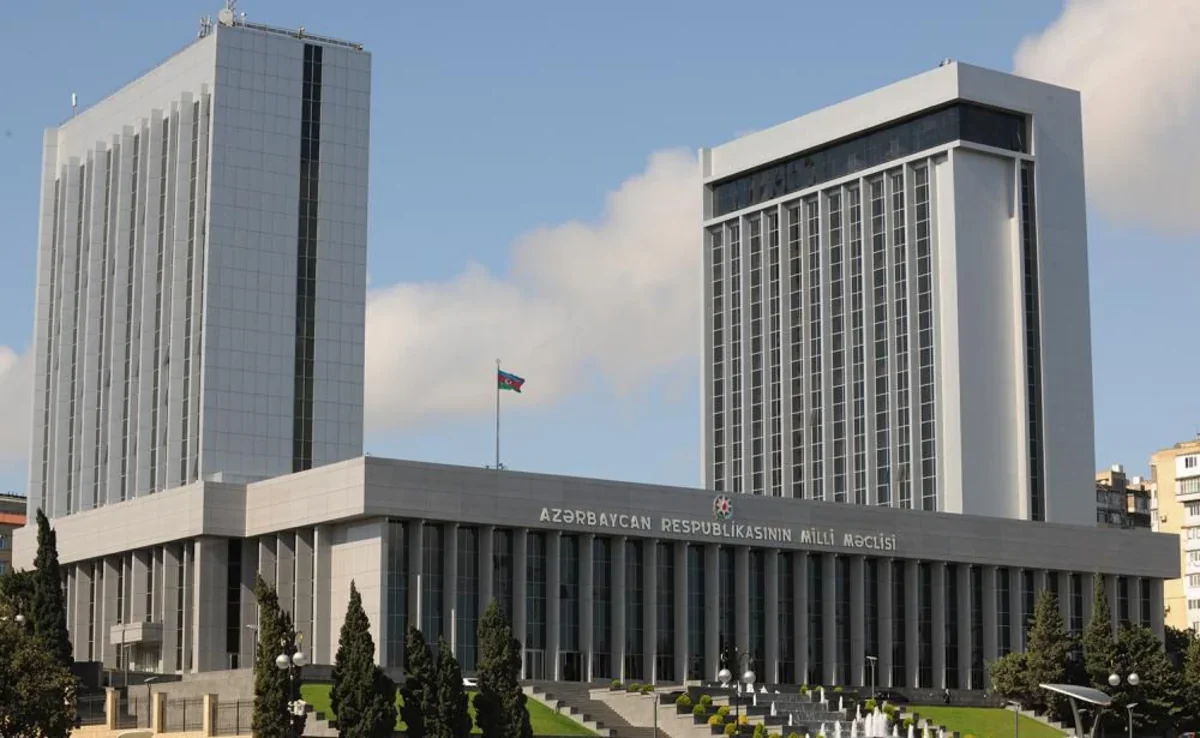
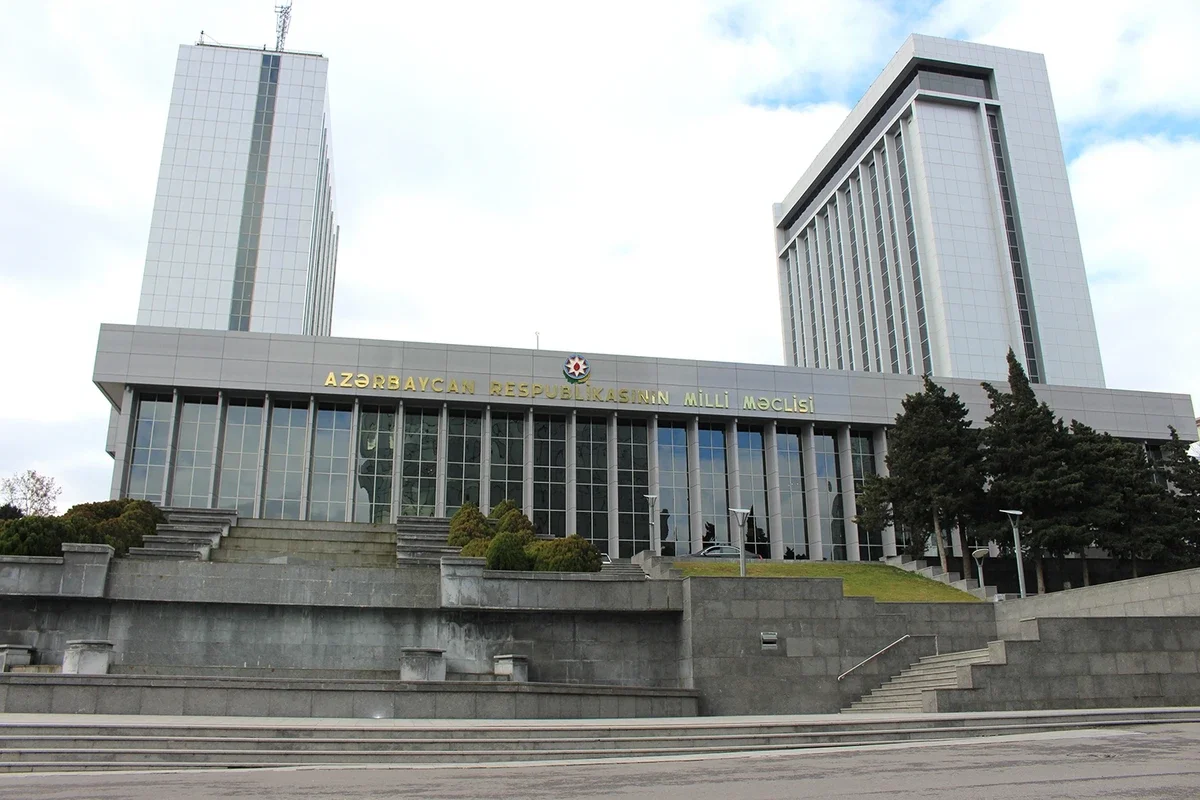
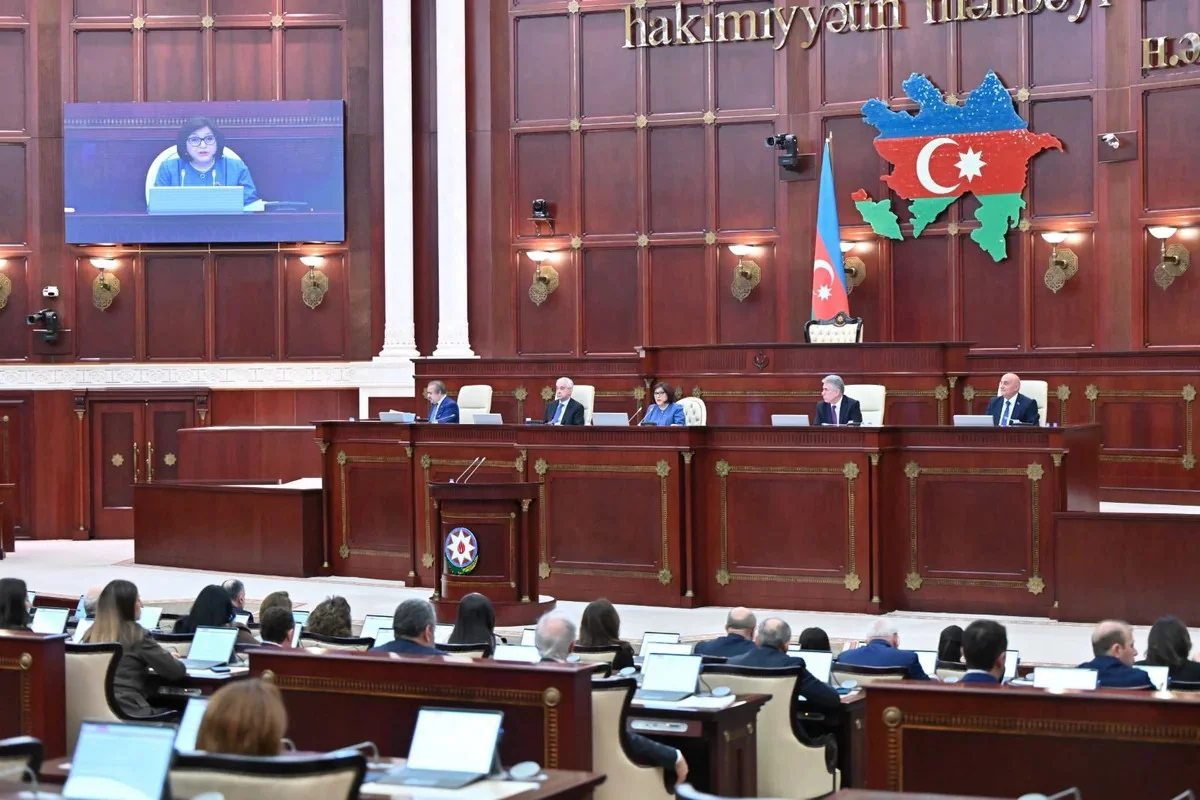
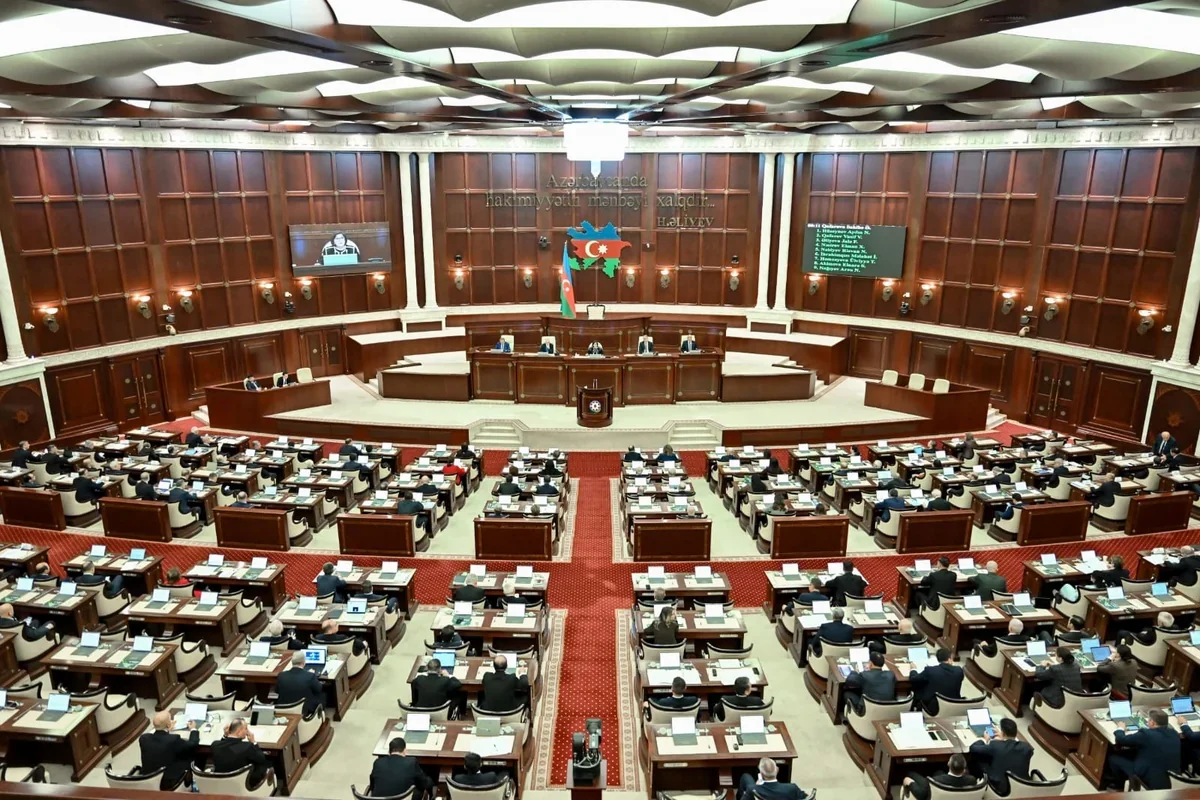
The Milli Majlis (National Assembly) has adopted a significant decision regarding the payment of fines by convicts: if a fine is not paid on time, the amount will now be deducted primarily from the citizen's salary rather than their property.
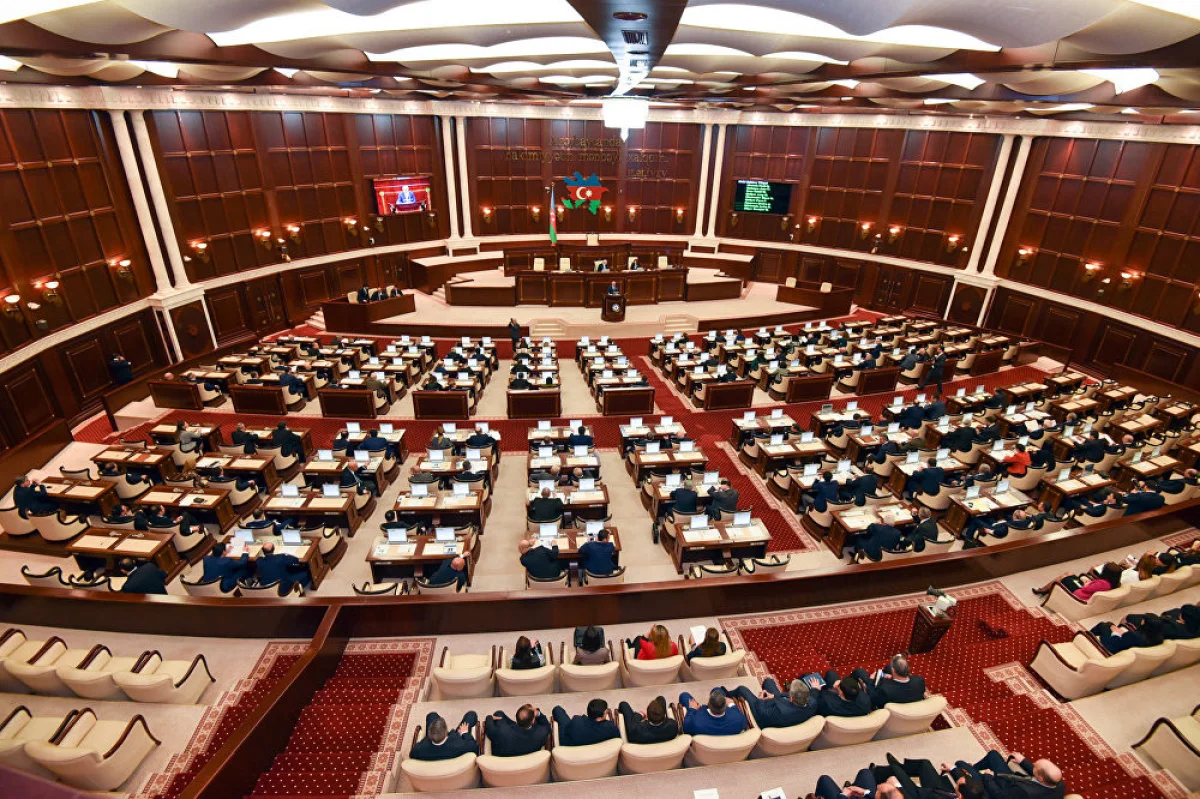
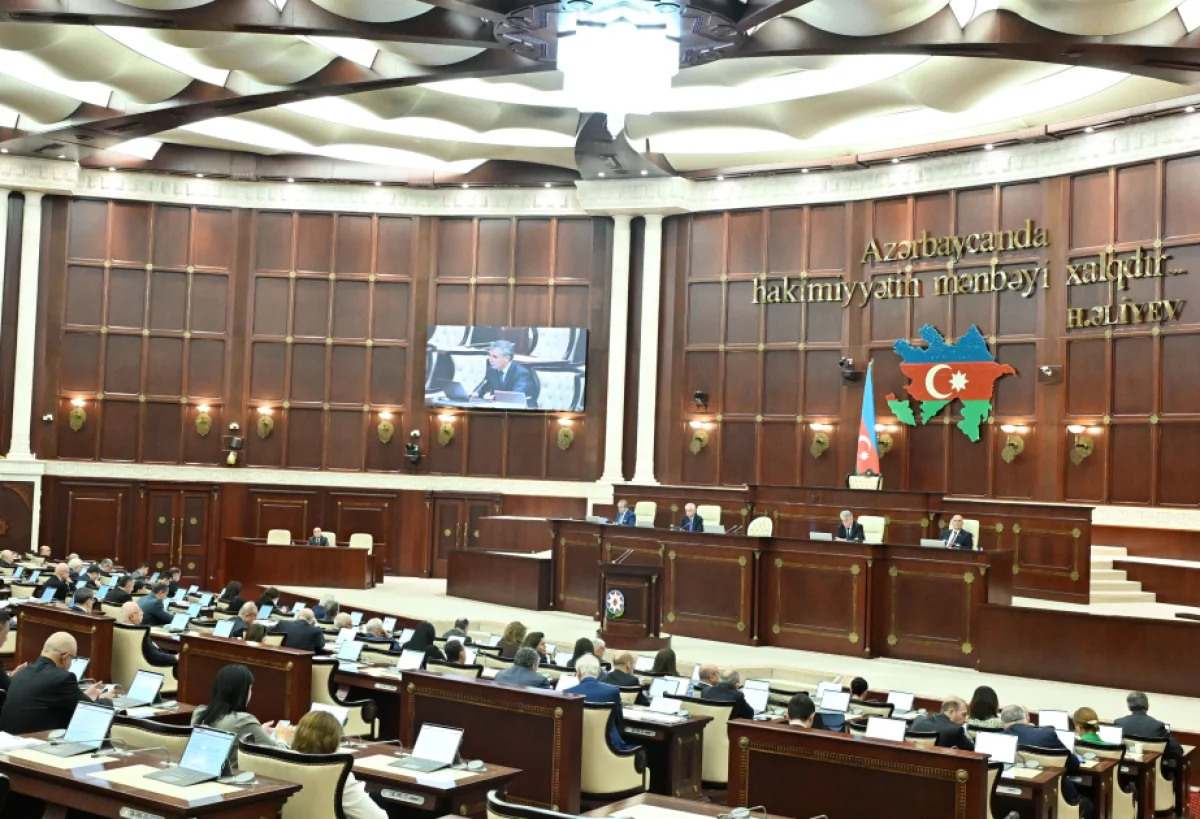
Operative Information Center-OMM reports that this amendment to the Code of Execution of Punishments was discussed during a plenary session of the parliament.
Why was the old rule abolished?
According to the previous legislation, the enforcement mechanism functioned differently when a fine remained unpaid. Initially, enforcement was directed toward the private property or assets of the convict; only if these were insufficient would the claim be directed toward their wages.
However, this approach delayed the enforcement process in practice. Specifically, seizing high-value property for small fines and selling it through auctions resulted in both time loss and additional administrative costs.
New mechanism: How will fines be collected?
The adopted document aims to increase the efficiency of the enforcement process. The primary goal is to minimize the necessity of seizing and selling property that is not equivalent to the fine amount.
According to the amendment, if a convict fails to pay a fine on time, the enforcement process begins based on the court's verdict. In this case, the fine will be prioritized and directed toward the convict's salary or other earnings.
If the convict has no official income or if the income is insufficient to cover the fine, the mechanism changes. Only in this instance will the debt be directed toward the convict's property, applying the relevant provisions of the Law "On Execution".
Following discussions, the bill was put to a vote and adopted in the third reading.
Context and Significance
This legislative update is part of broader judicial-legal reforms in Azerbaijan aimed at modernizing the execution of court decisions and reducing bureaucratic hurdles. By prioritizing liquid assets such as salaries over immovable property, the state ensures a more proportionate and rapid recovery of judicial debts. Such measures are expected to decrease the workload of the bailiff services and prevent the unnecessary freezing of significant assets for minor financial penalties, aligning Azerbaijan's enforcement procedures with international best practices.