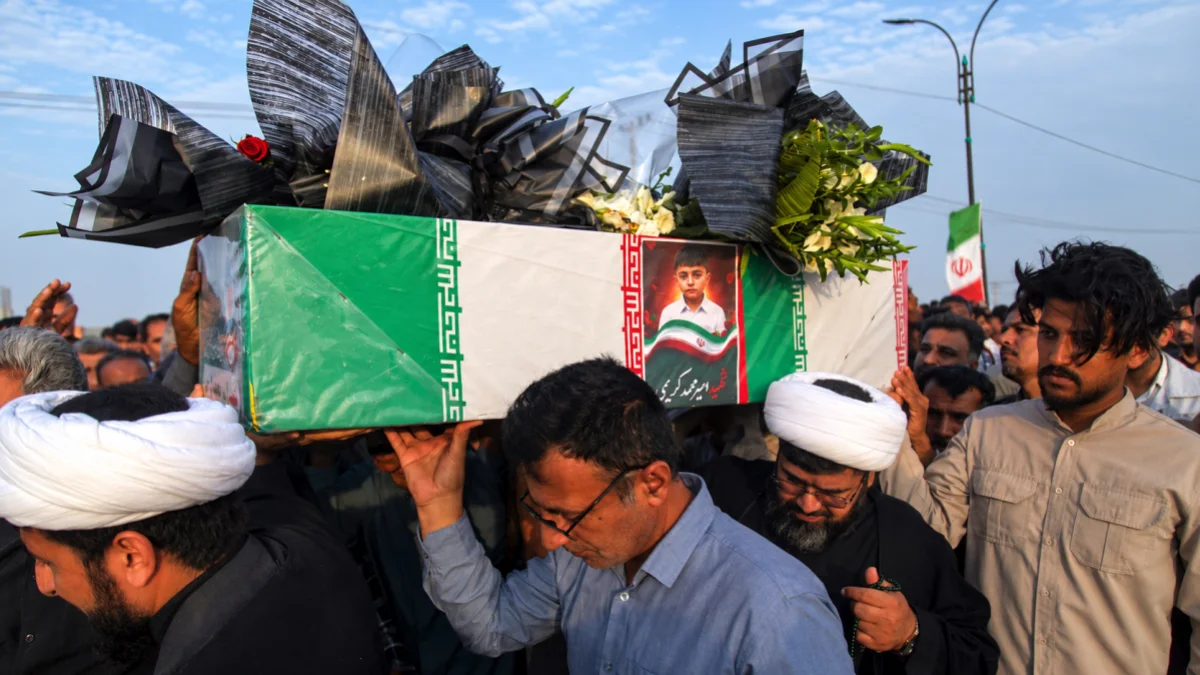
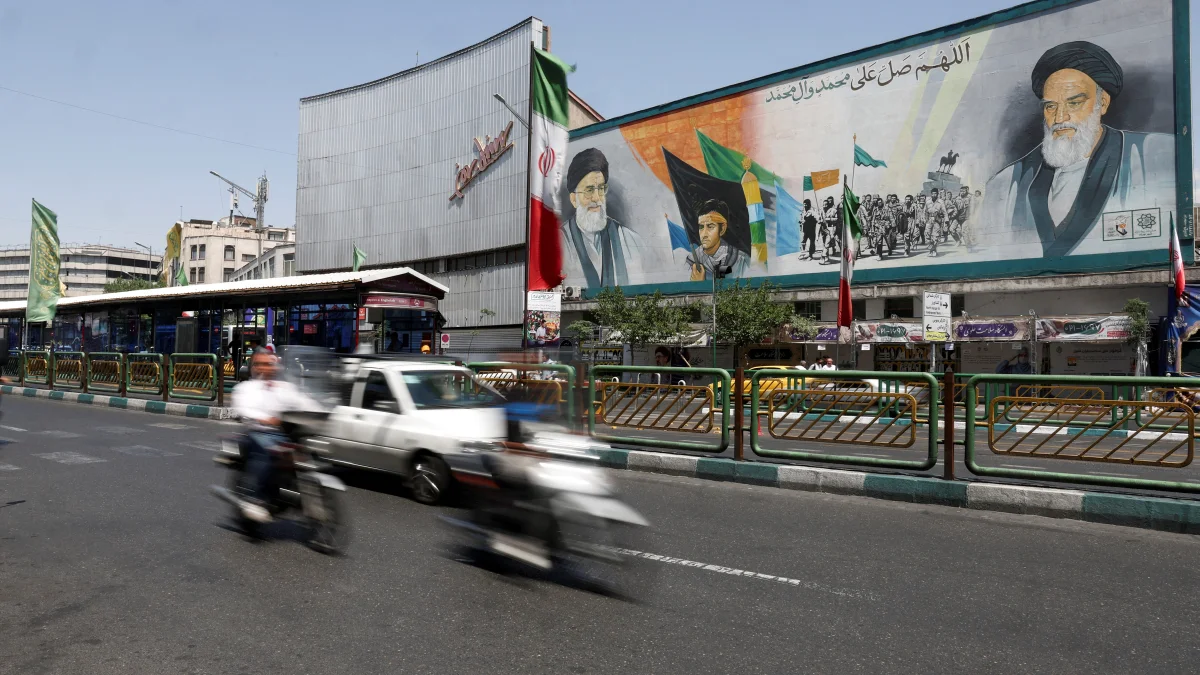
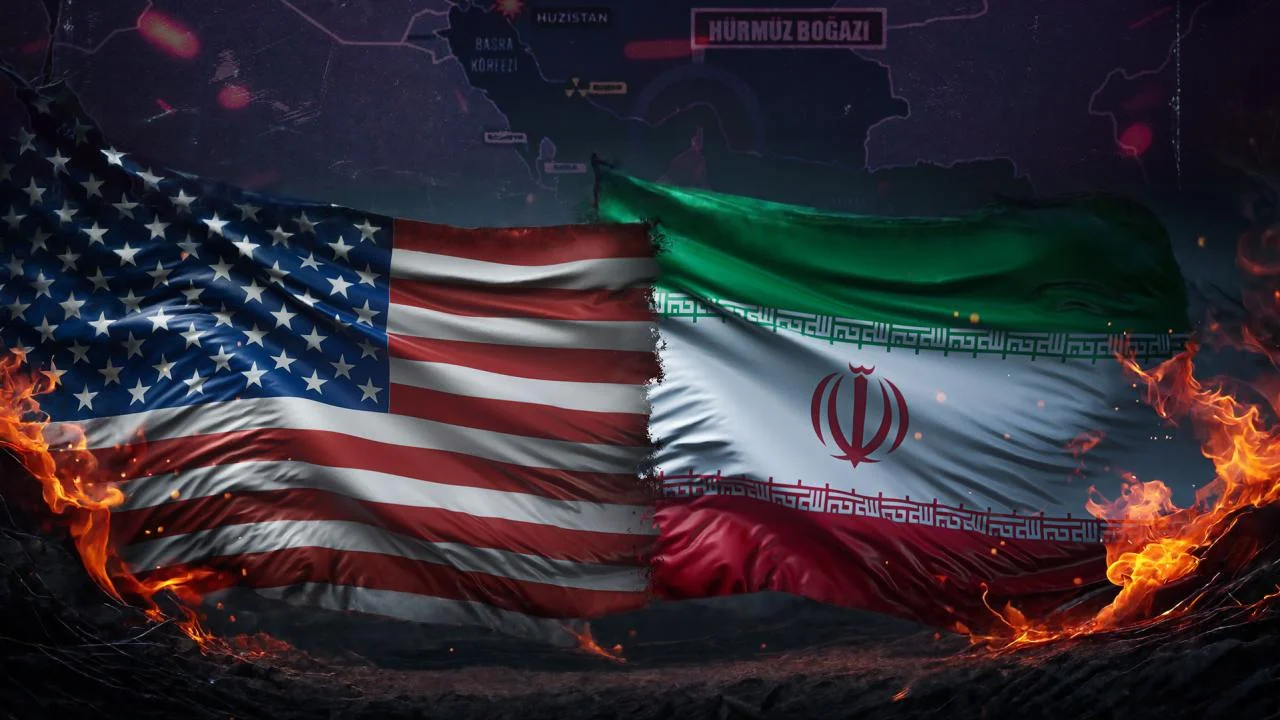
The military confrontation between the United States and Iran has entered its 11th consecutive day, significantly escalating regional instability. According to the Operative Information Center-OMM, the Pentagon has reported that the economic impact of the conflict on the United States has already reached $37.5 billion.
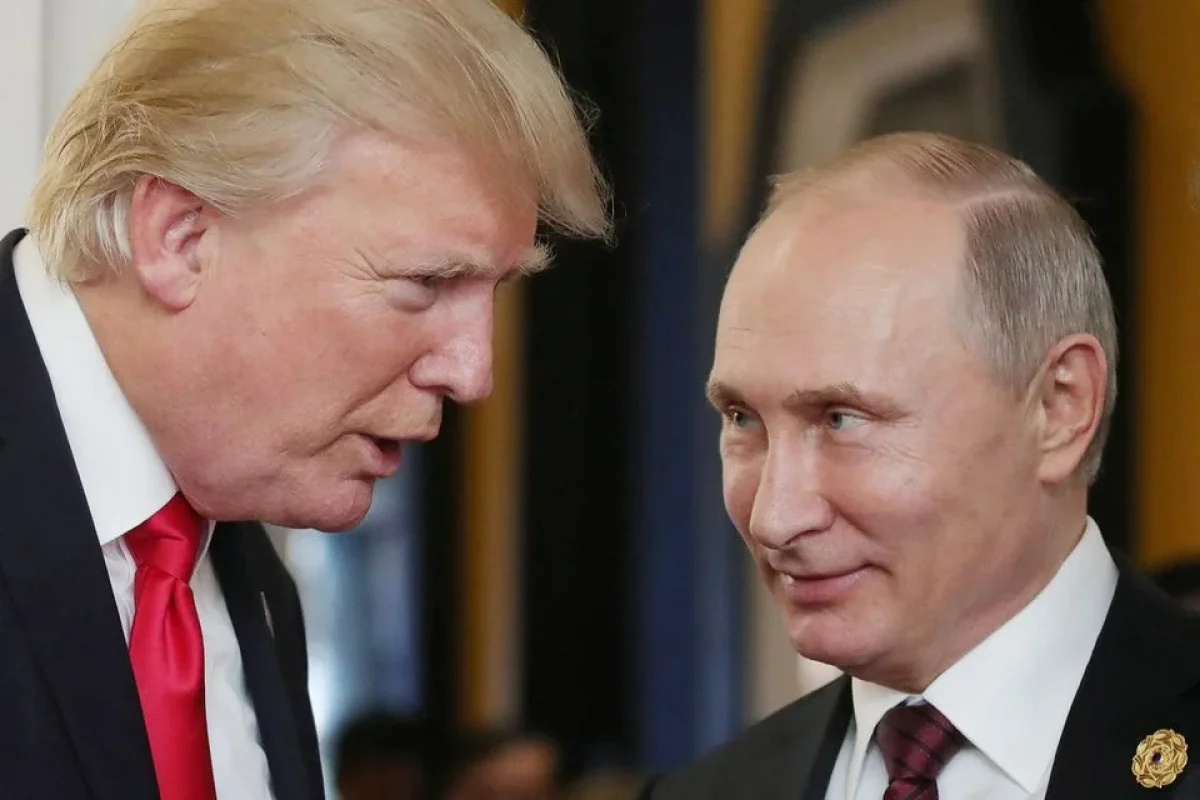
US President Donald Trump has indicated that the United States may launch heavy strikes against Iranian nuclear facilities, specifically targeting the "Pickaxe Mountain" center. In response, Tehran has issued a stern warning, stating that any such attack would trigger a broader, large-scale conflict across the region.
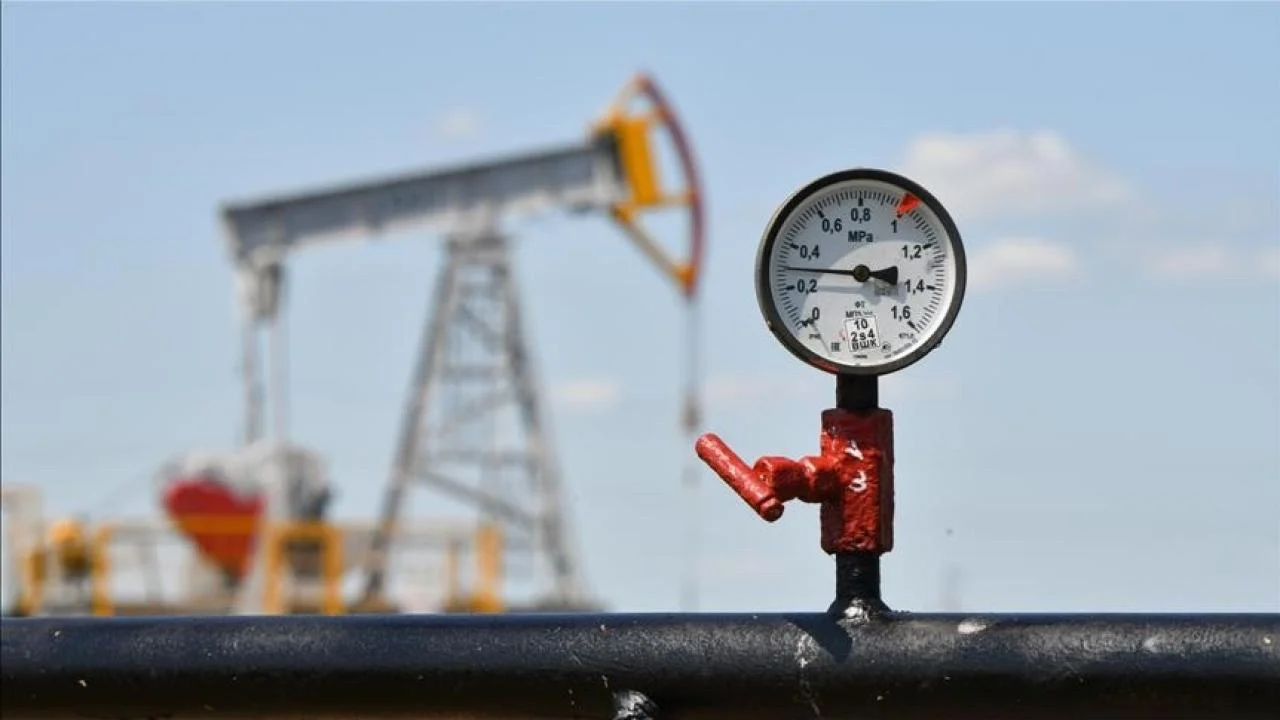
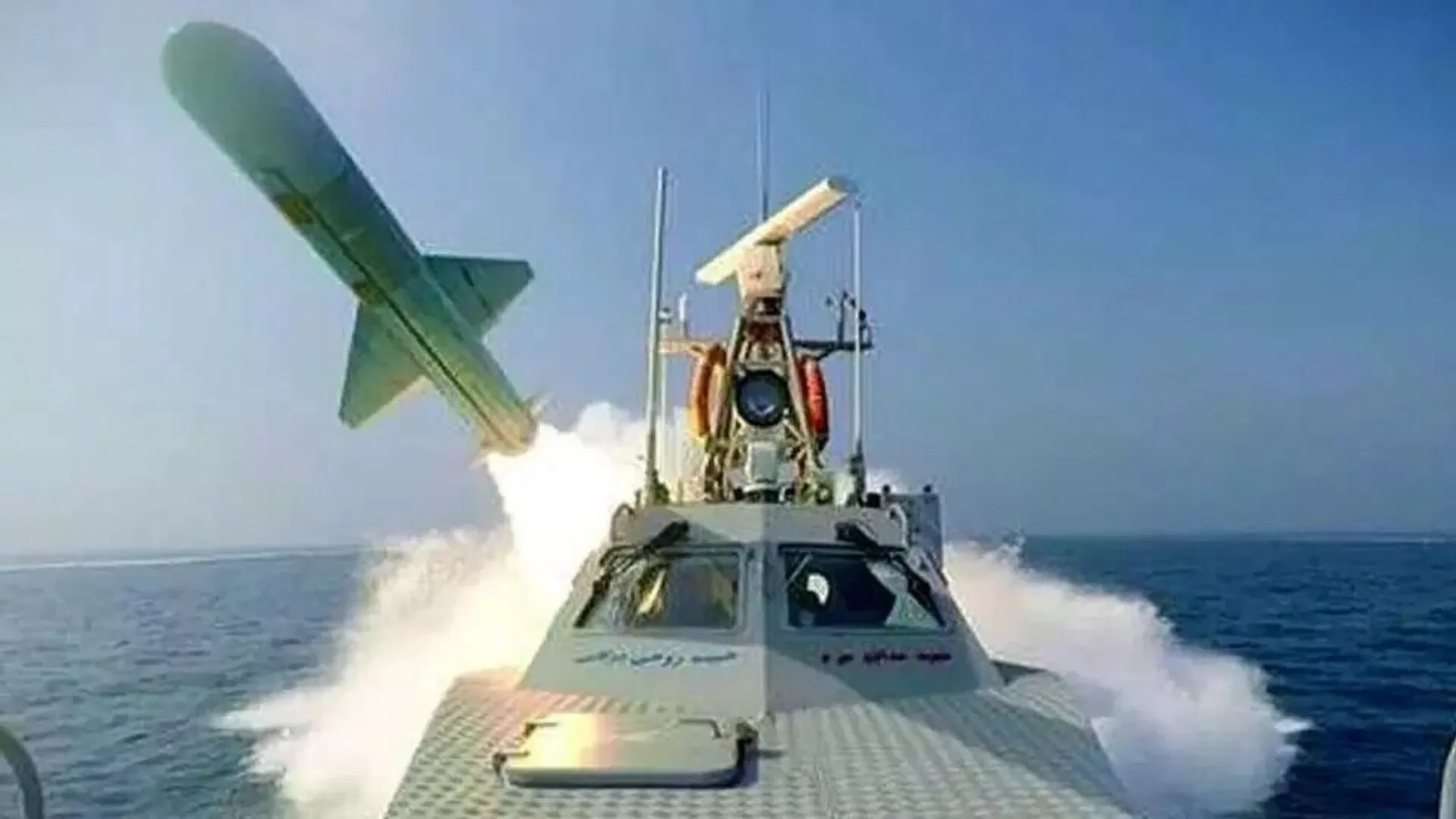
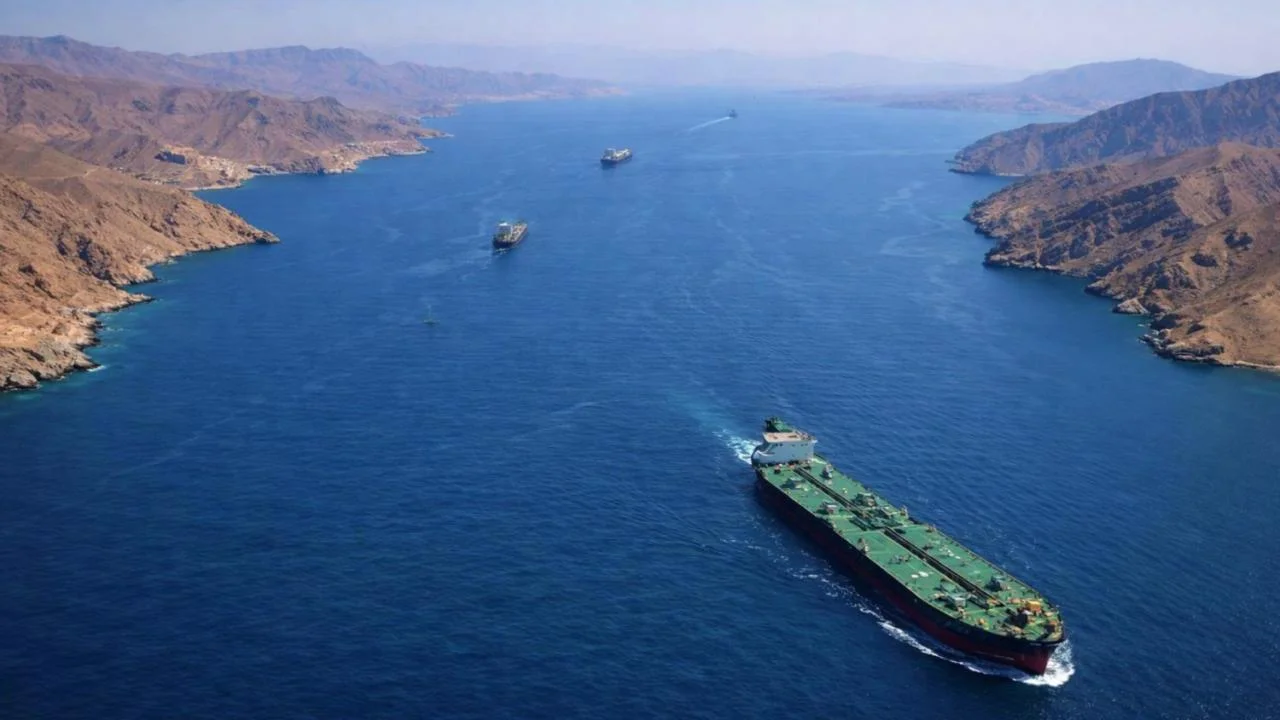
The situation regarding transport and energy security in the Middle East remains critical. The Islamic Revolutionary Guard Corps has claimed that oil tankers near the Strait of Hormuz have been targeted and that the strait is "completely closed" to shipping. Against this backdrop, Brent crude oil prices have surged past $93 per barrel, marking the highest level in six weeks.
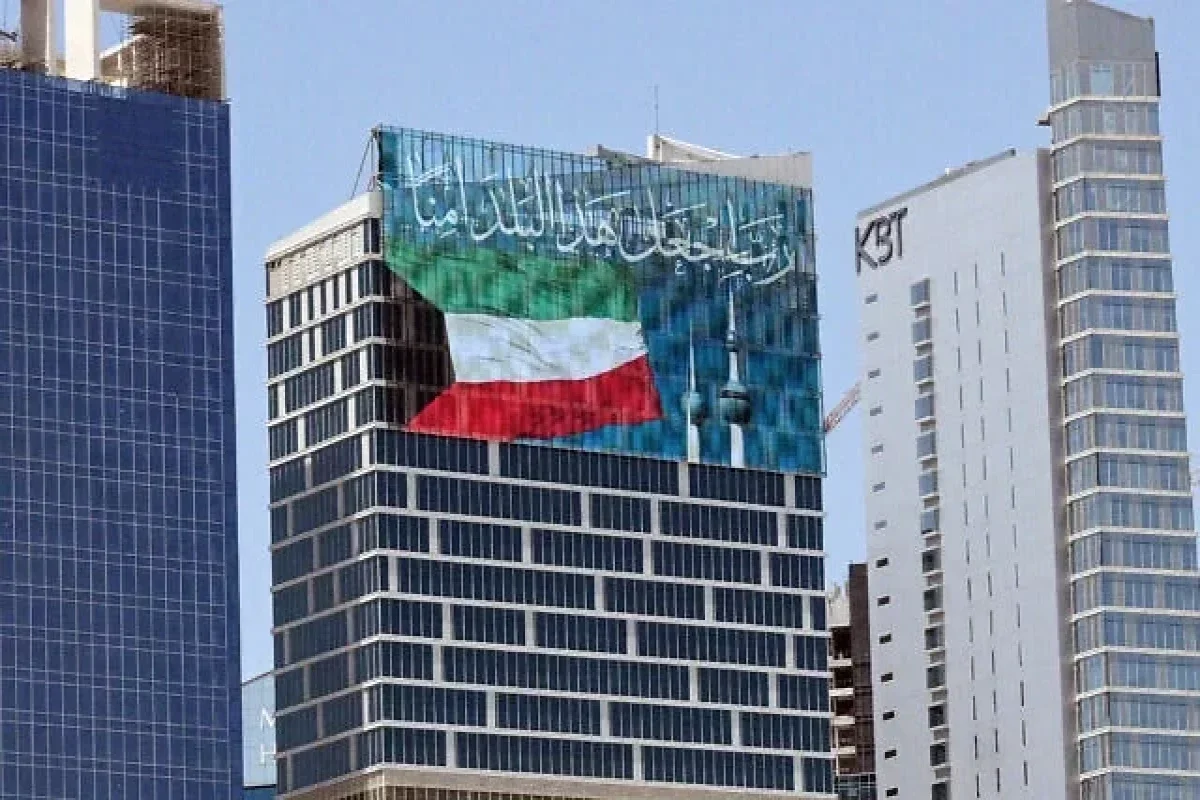
Reports indicate that Houthi forces in Yemen have claimed responsibility for targeting two Saudi Arabian oil tankers, while Kuwaiti air defense systems successfully neutralized Iranian drones heading toward their territory. Furthermore, the Dutch airline KLM has extended the suspension of flights to Dubai, Riyadh, and Dammam until September 6, citing the deteriorating security situation in the Middle East.
Diplomatic efforts are ongoing, with US Secretary of State Marco Rubio stating that Washington remains open to a diplomatic solution, provided that Tehran ceases its support for terrorism and addresses concerns regarding its nuclear program. Meanwhile, the recent attacks on US military bases in Jordan, which resulted in American casualties, have hardened Washington's stance. US President Donald Trump has confirmed he will attend a memorial service for the fallen soldiers and emphasized that Iran will "pay a heavy price" for these attacks.
The Strait of Hormuz, a vital maritime chokepoint, serves as a critical artery for global oil supplies, with a significant portion of the world's petroleum passing through its waters daily. Any disruption to this route historically triggers immediate volatility in global energy markets, as seen in the current spike in oil prices.