 OMM Redaksiyası

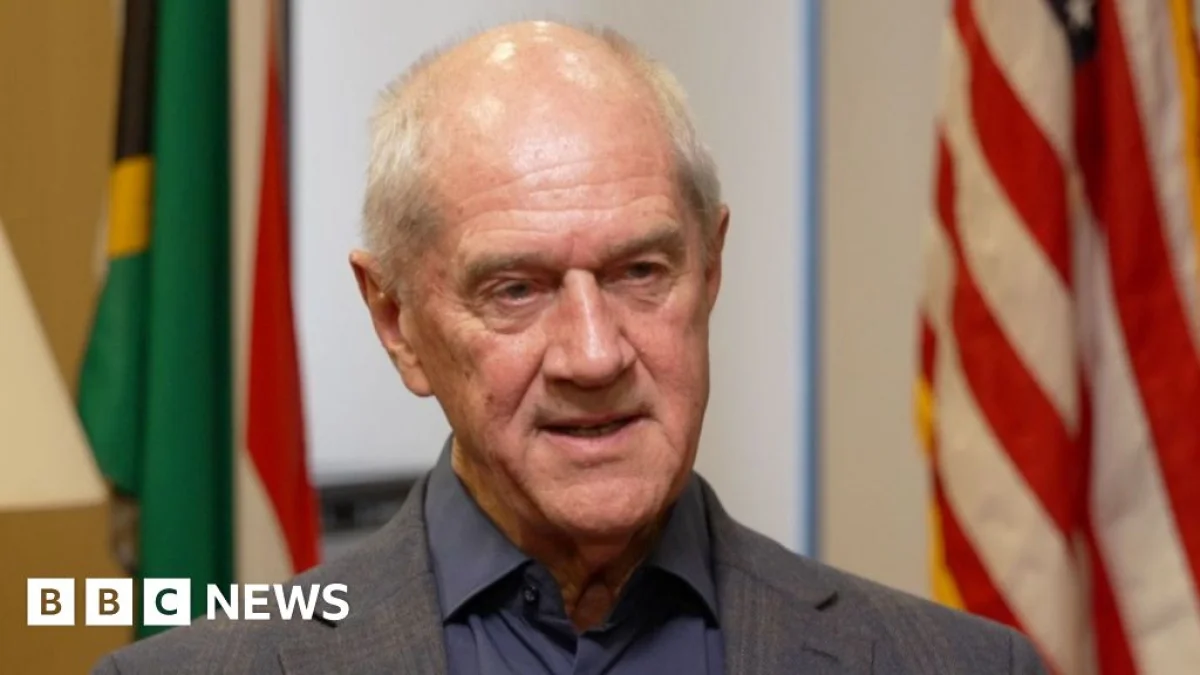
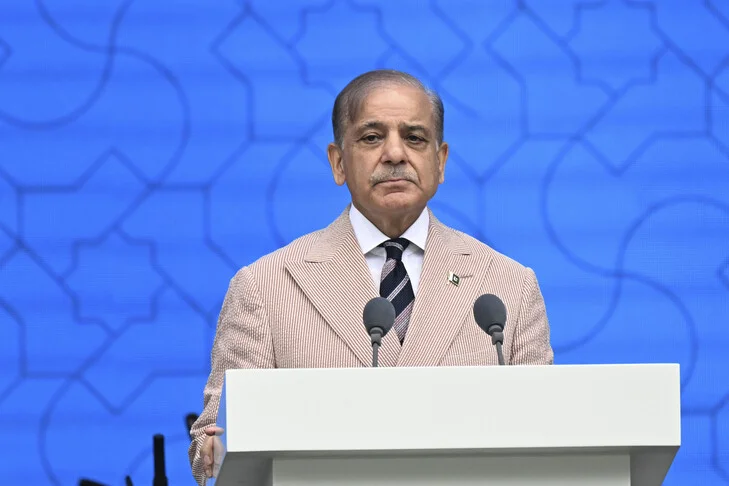
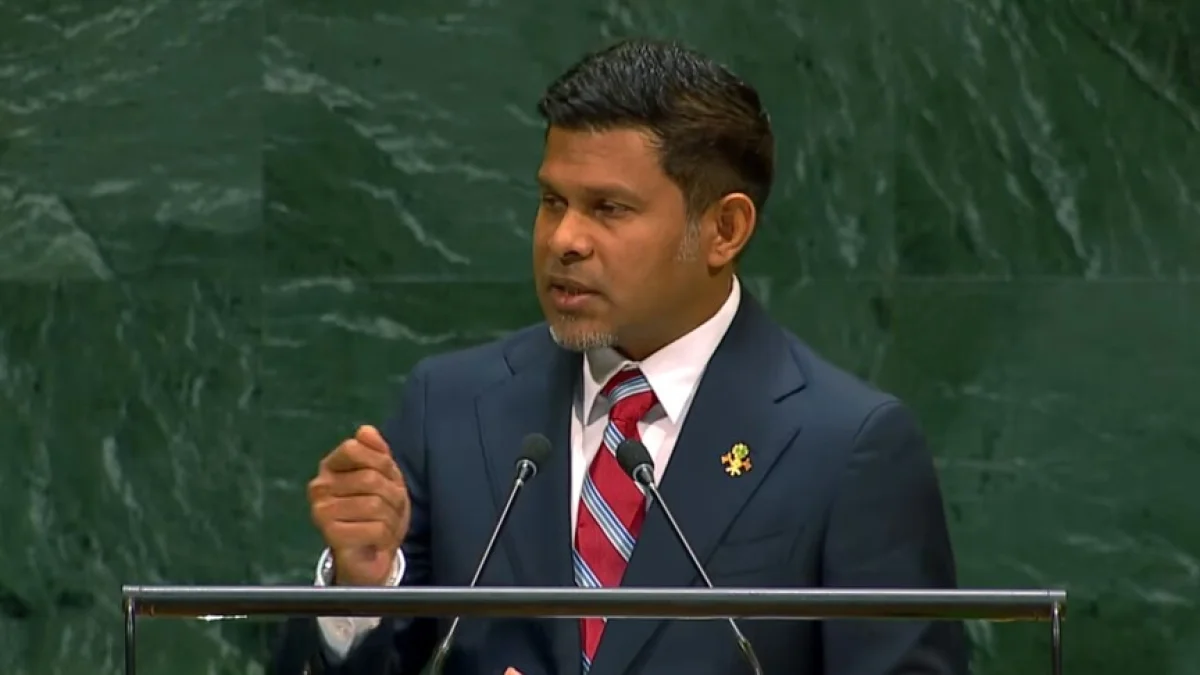
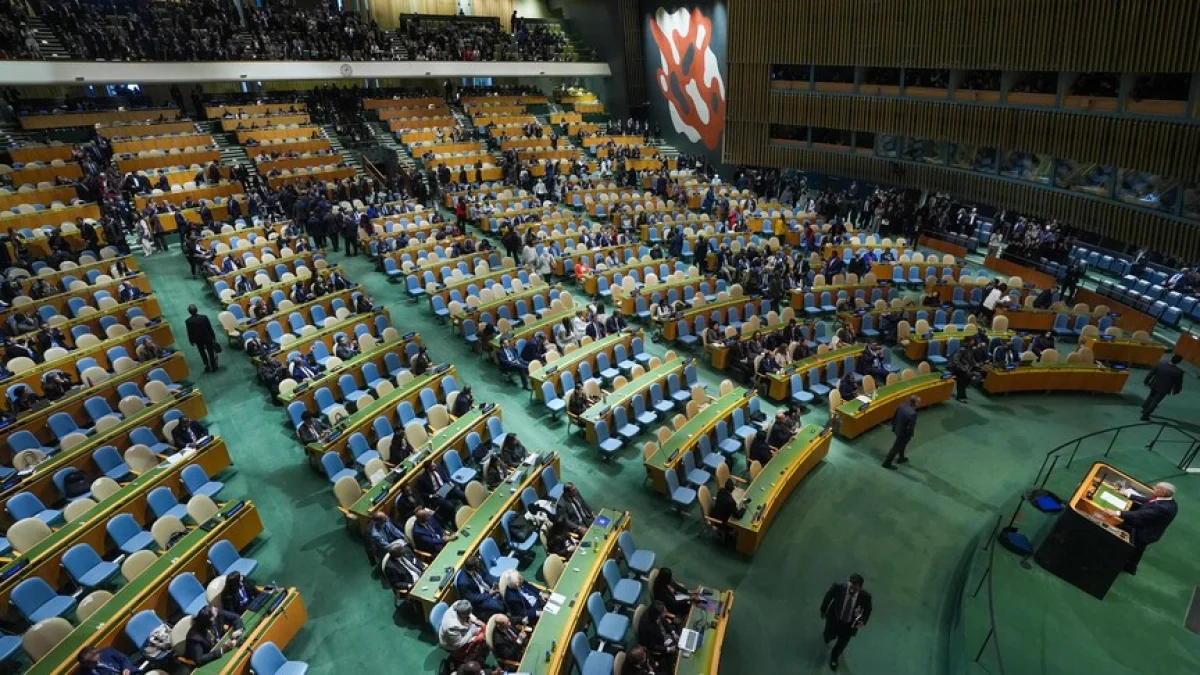
South Africa and Malaysia convened a high-level meeting at United Nations headquarters in New York on Friday, bringing together foreign and justice ministers as well as senior diplomats from 40 countries to discuss ways to strengthen enforcement of international law.
According to a statement issued by South Africa’s International Relations Minister Ronald Lamola and Malaysia’s Foreign Minister Mohamad Hasan, the participants reaffirmed that the authority of international law depends not only on its proclamation but also on its enforcement.
Proposals for stronger UN oversight
Participants proposed creating a new UN mechanism modelled on the 1962 Special Committee against Apartheid to monitor compliance with international law.
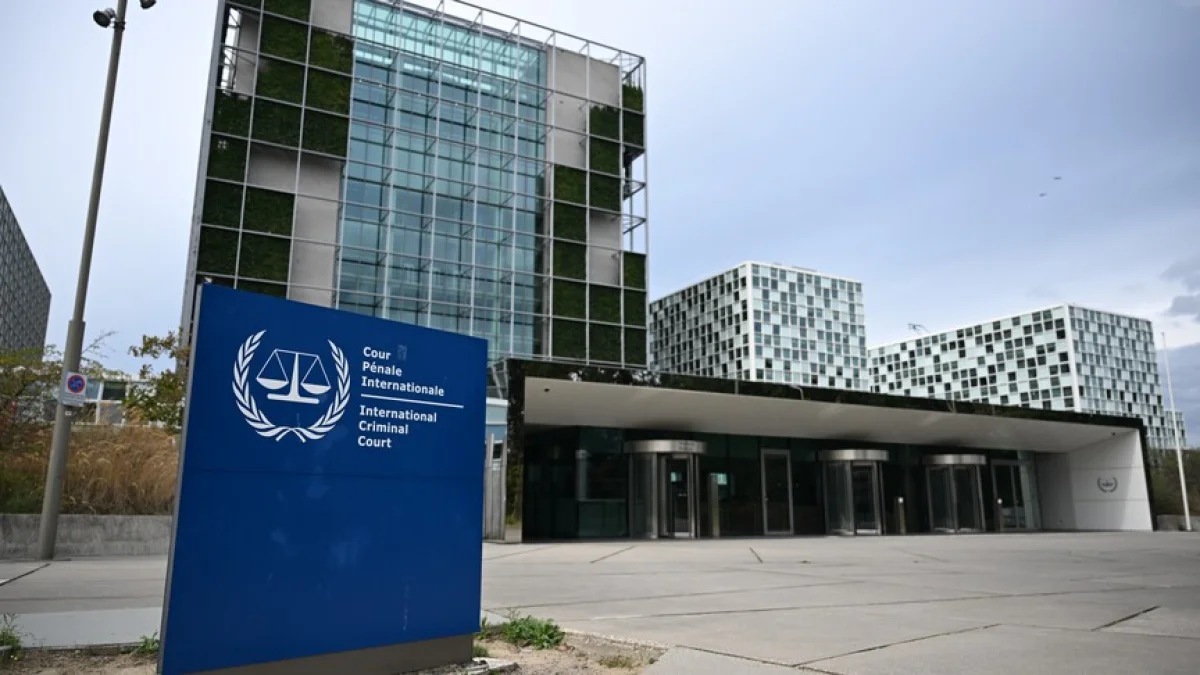
They also backed continued efforts to secure a UN Security Council arms embargo on Israel and called for coordinated measures to protect the International Criminal Court, its judges and officials from sanctions and intimidation.
Occupied Palestinian territory described as key test
The statement described the occupied Palestinian territory, including East Jerusalem, as “an urgent test” for the multilateral system. It said violations had continued despite the International Court of Justice’s advisory opinion issued in July 2024 and a subsequent UN General Assembly resolution.
Discussions focused on three priorities: building a multilateral system based on sovereign equality among states; moving countries “from complicity to compliance” with their existing legal obligations; and shifting “from impunity to accountability” for those obstructing international courts and human rights bodies.
Lamola and Hasan said they would continue consultations with participating states, describing the defence of international law as “a common responsibility” rather than the responsibility of any single country or institution.