 OMM Redaksiyası

Russian President Vladimir Putin and Serbian President Aleksandar Vucic discussed expanding cooperation in the energy, oil and gas, transport and healthcare sectors during a phone call, the Kremlin said on Saturday.
According to the Kremlin, the leaders reviewed various aspects of the further development of Russian-Serbian strategic partnership relations. Vucic also thanked Russia for its support of Serbia, particularly its assistance in fighting forest fires.
Energy cooperation under discussion
The talks took place as Serbia faces uncertainty over its energy ties with Russia. The current Russian gas supply agreement is due to expire at the end of September, while a US licence allowing Serbia’s Russian-owned oil company “NIS” to continue operating is also set to expire on September 30.
Russia remains Serbia’s main gas supplier, accounting for more than 80% of the country’s supplies. Under an extension agreed in June, “Gazprom” continued deliveries to Serbia on “stable and affordable terms”.
In March, Vucic said Serbia was paying about $320-$330 per 1,000 cubic metres under an oil-linked formula, compared with about $690 for gas bought at the then-prevailing TTF market price.
Russian gas reaches Serbia through the “TurkStream” pipeline via Türkiye and Bulgaria. The Balkan Stream section then transports the gas across Serbia towards Hungary and Bosnia and Herzegovina. The route replaced the previous transit arrangement through Ukraine and Hungary and, according to Serbian authorities, significantly reduced transport costs.
Air links and regional issues
The presidents also discussed transport connections. Serbia remains the only European country with direct scheduled air links to Russia since the European Union banned Russian carriers from its airspace in 2022. Serbia’s “Air Serbia” continues to operate flights to Russian cities.
In September, Russia granted Serbian airlines permission to operate regular flights to Kaliningrad. The continuation of direct flights has remained politically sensitive amid pressure on Serbia over its relations with Moscow.
Reports have also circulated about a possible introduction of visa requirements for Russian citizens. Vucic said in June that Serbia had no plans to take such a step and that the government had not even considered it.
Vucic congratulated Putin on the successful State Duma elections and briefed him on preparations for snap parliamentary elections in Serbia. The Kremlin said both sides stressed the “inadmissibility of external interference in electoral processes”.
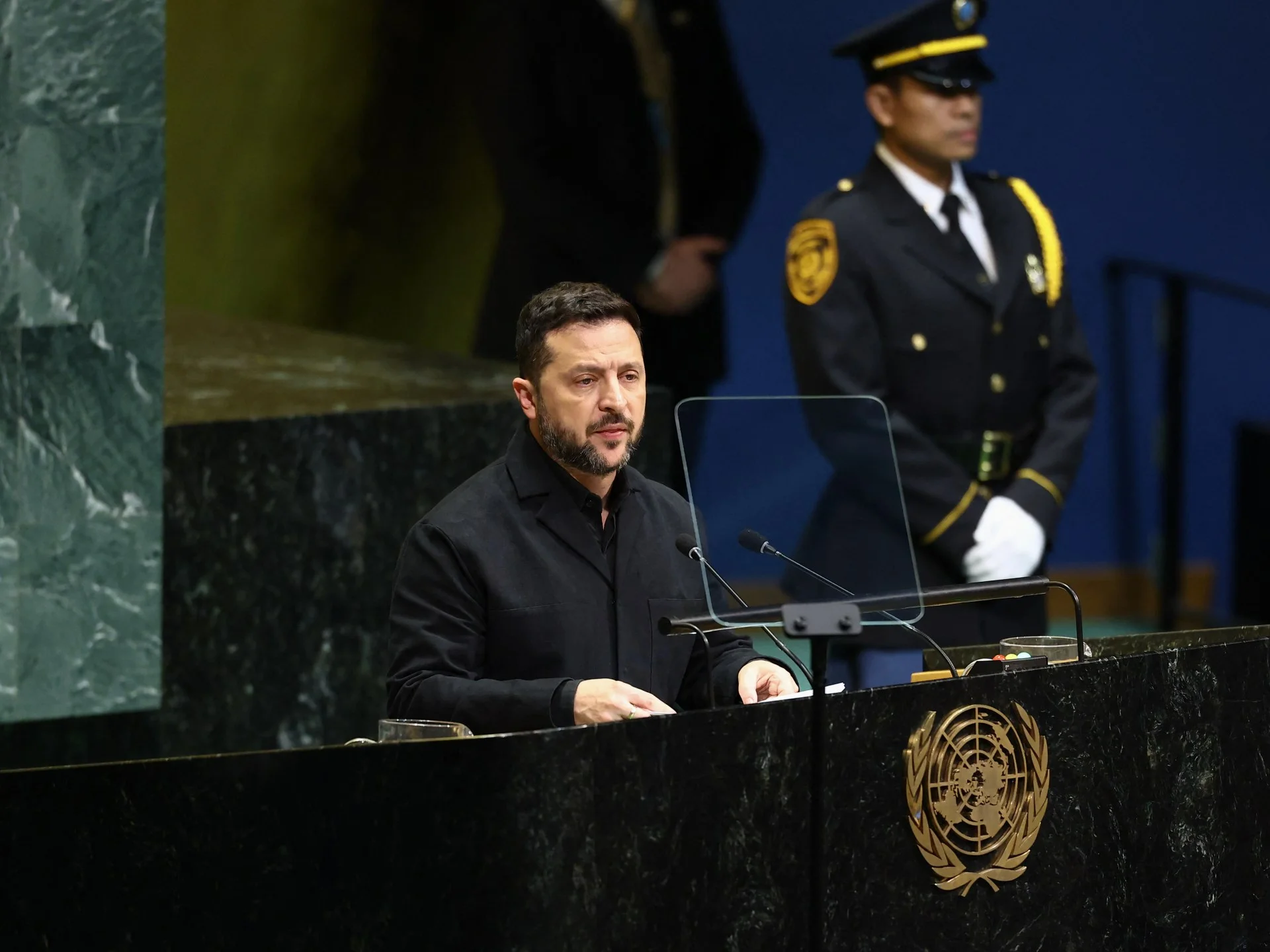
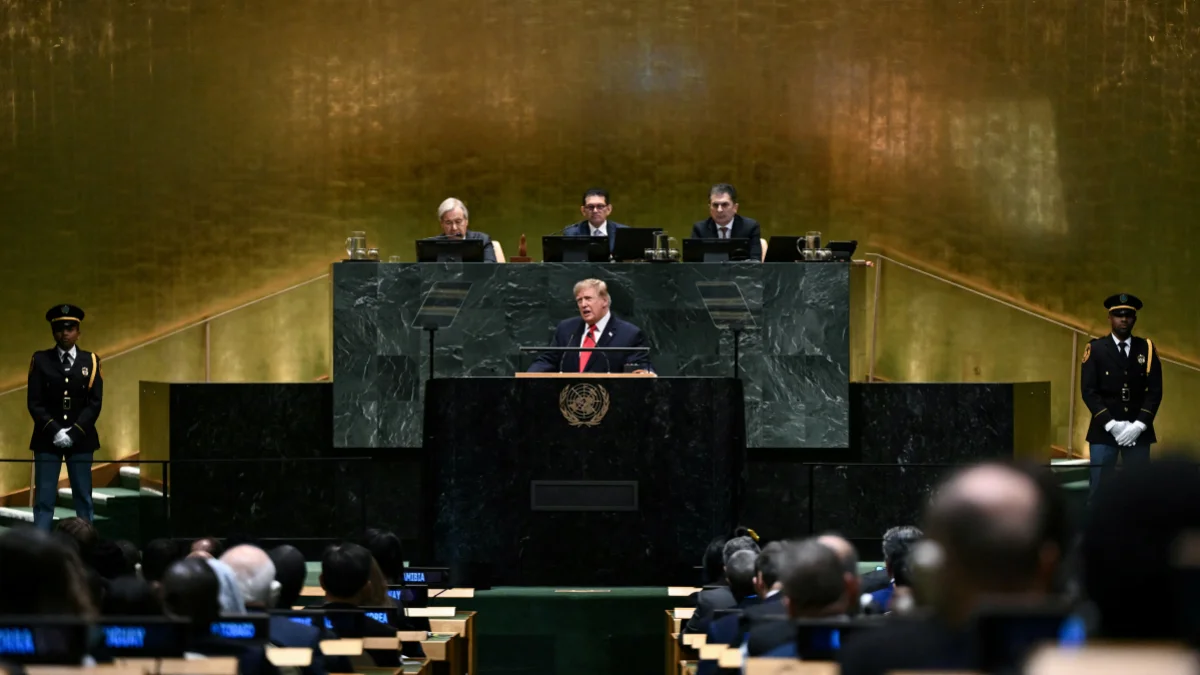
The leaders also exchanged views on international issues, including the conflict in Ukraine. Vucic shared his impressions of attending the high-level week of the 81st session of the UN General Assembly in New York.
Discussing the situation in the Balkans, Putin and Vucic underscored the importance of preserving the Dayton framework in Bosnia and Herzegovina and ensuring the legitimate rights and interests of Republika Srpska, according to the Kremlin.